As solar power projects mature, panels increasingly lose efficiency. What do operators do with solar panels once they have reached the end of their lifespan? Will Norman finds out.
Danish renewables developer Ørsted has signed a recycling partnership agreement with Solarcycle to process and recycle the entirety of the modules in their US portfolio.
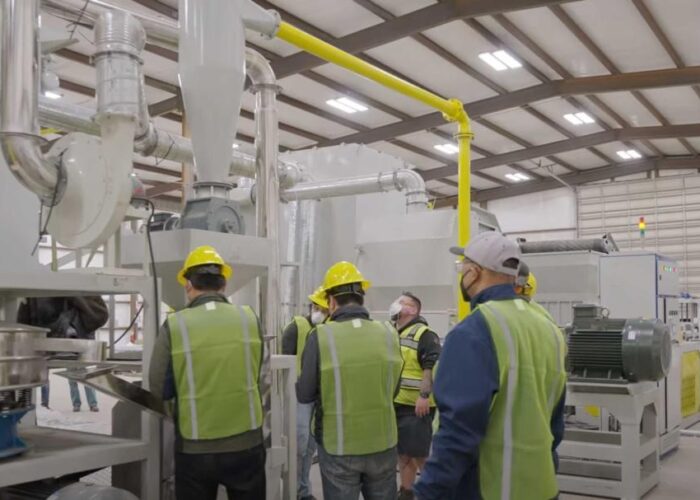
AES Corporation has signed a Recycling Services Agreement with US solar recycling company Solarcycle, which will see modules from AES’ projects sent to Solarcycle’s Texas facility to be recycled and repurposed.
The US Department of Energy (DOE) has announced US$52 million in financing for research and development (R&D) into domestic solar manufacturing and recycling, including a focus on new technologies.
As the PV industry reckons with its social and environmental impact and the byproducts of its processes, beyond the near-term questions over provenance and manufacturing ethics, concerns at the horizon of a module’s lifespan are coming more and more into focus.
Solar module recycling company Solarcycle has secured US$30 million in Series A funding to increase its solar panel recycling capacity and expand materials re-manufacturing capabilities.
JinkoSolar has developed a process via which 92% of the materials which make up a solar panel can be recycled, including cells, front glass, back sheet, aluminium frame, copper wire, encapsulation material and junction box.
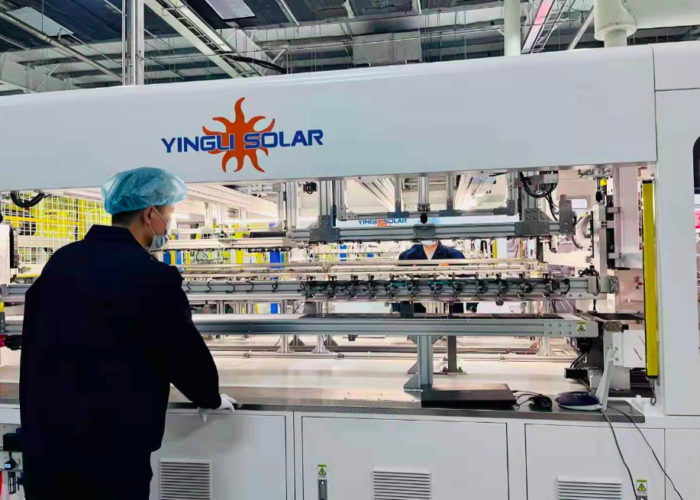
Yingli Energy has announced that the launch of China’s first demonstration line for the recycling and processing of modules will see its new production capacity in Tianjin, Lixian and Hengshui put into operation, with a total of some 8GW of capacity released.
Further study is needed to reduce the recycling costs and environmental impact of used solar panels, according to the National Renewable Energy Laboratory (NREL).