PV Tech’s preliminary analysis of global PV manufacturing capacity expansion plans in the third quarter of 2016, highlight an absence of China based solar cell and module manufacturers making new announcements for either domestic or overseas production.
Integrated PV module manufacturer REC Group has said it has trimmed its global workforce by 3%, or around 65 jobs out of approximately 2,200 employees.
The US Energy Department's National Renewable Energy Laboratory (NREL) has highlighted continued PV system cost reductions in its latest quarterly report, ‘US Solar Photovoltaic System Cost Benchmark Q1 2016’.
Fully digitized solar power plants will be the next focus for improving efficiencies in the solar PV industry according, to Guoguang Chen, general manager of inverter manufacturer Huawei’s Smart PV Europe Business.
China’s National Energy Administration (NEA) has published a draft version of proposed feed-in tariff (FiT) levels for ground mount and distributed generation PV power plants for 2017 that could lead to significant cuts to both sectors and overall curtailment of installations.
In this week's segment, PV Tech reports on energy storage in Australia, acquisitions in India, and policy-makers in the US, in a round-up of the most dynamic employment stories over the last fortnight.
Tech conglomerate Apple has committed to go 100% renewable with its international operations as part of joining the global renewable energy initiative RE100.
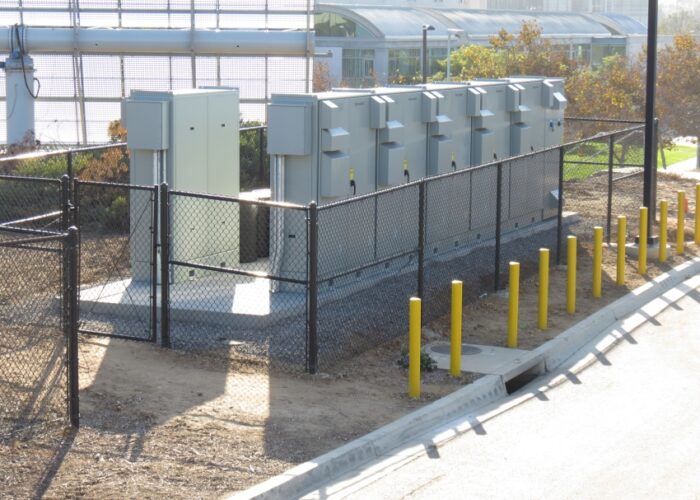
Energy storage in the US is being propelled forward by falling costs and increasingly favourable markets and policy. But for the full value of storage to be realised, numerous regulatory and fiscal barriers must still be surmounted, writes Matt Roberts, executive director of the Energy Storage Association.
Indian solar PV manufacturing is beginning to make headway after a significant module capacity increase in the last year. PV Tech caught up with Ivan Saha, president and chief technical officer of India-based manufacturer Vikram Solar for an industry update.
Green bonds have the potential to unlock vast new sums of capital for the deployment of solar and other low-carbon infrastructure. Katie House looks at how a relatively new concept is rapidly evolving into a potentially major source of clean energy finance.