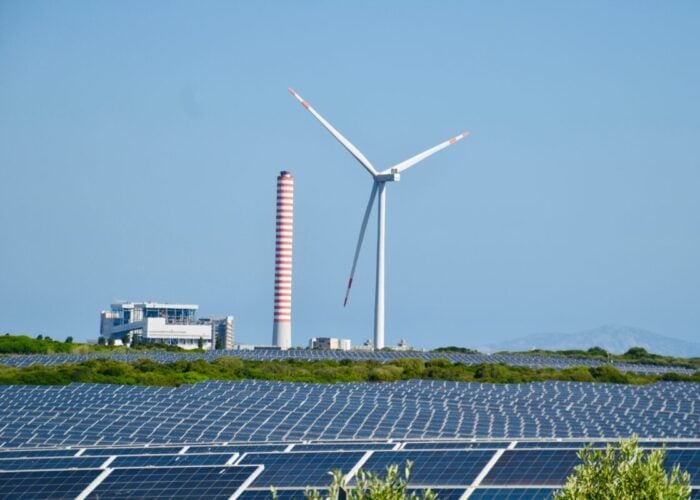
Solar Energy Corporation of India (SECI) has issued tenders for 1.2GW of wind and solar hybrid capacity as well as 4MW of floating PV with 2MW/1MWh of battery storage.
The Interstate Transmission System (ISTS)-connected hybrid capacity will be offered on a build, own and operate basis with the power produced to be procured by SECI under 25-year power purchase agreements (PPAs). The maximum tariff has been set at INR 2.88/kWh (US$0.041).
Try Premium for just $1
- Full premium access for the first month at only $1
- Converts to an annual rate after 30 days unless cancelled
- Cancel anytime during the trial period
Premium Benefits
- Expert industry analysis and interviews
- Digital access to PV Tech Power journal
- Exclusive event discounts
Or get the full Premium subscription right away
Or continue reading this article for free
The minimum bid capacity will be 50MW, with at least 50MW to be proposed at each project site, while the maximum bid capacity is 1.2GW.
The last date of bid submission for the latest tender is 25 February 2020.
This is Tranche-III of SECI's hybrid tenders, with the organisation having already successfully awarded wind-solar hybrid power project capacities of 840MW and 600MW respectively under Tranche-I and Tranche-II.
Back on 5 December 2019, SECI also unveiled tenders for 1.2GW of PV projects and 1.2GW of solar-wind hybrid projects. The Ministry of New and Renewable Energy (MNRE) also released guidelines for hybrid procurement last October.
Andaman floating batteries
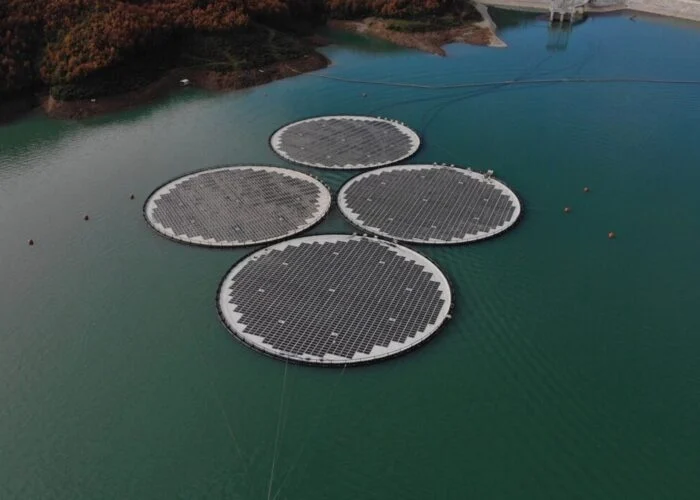
SECI's tender for 4MW of floating solar with 2MW/1MWh of battery-based energy storage is for projects located at Kalpong Dam in Diglipur, in the northern part of the Andaman Islands.
The projects will also be developed on a build, own and operate basis and the deadline for bid submissions is 13 February 2020.
The maximum tariff has been set at INR 8/kWh (US$0.11) for 25 years. The timeline for the scheduled commissioning of the project is 18 months.
The scope of work includes design, engineering, manufacture, dispatch, transportation, and storage of all equipment and materials,
Last February, SECI also issued a sizeable floating solar-plus-storage tender for the island archipelago of Lakshadweep involving a 20MWac floating solar project coupled with 60MWh of battery energy storage. The Andaman and Nicobar Islands have also been a major development ground for Indian solar-plus-storage projects while large-scale energy storage progress remains relatively lacklustre on the mainland.