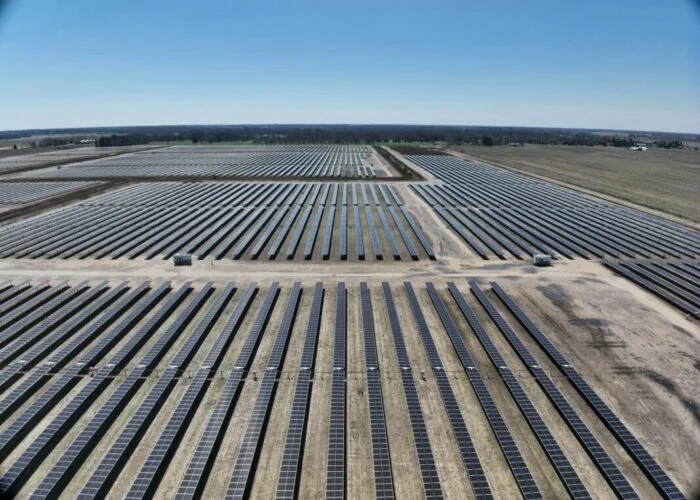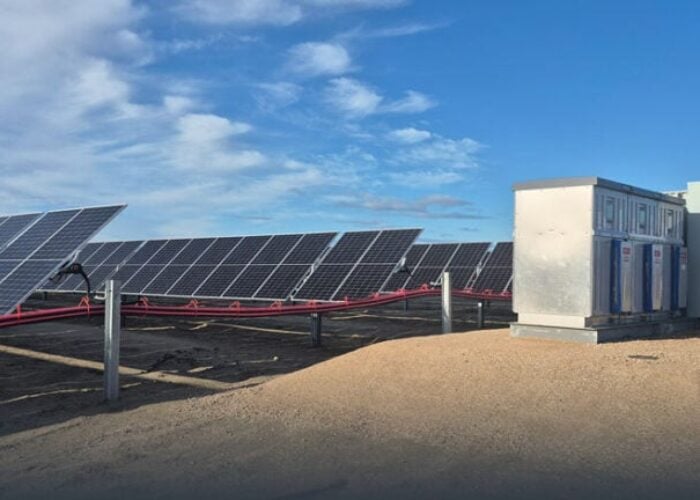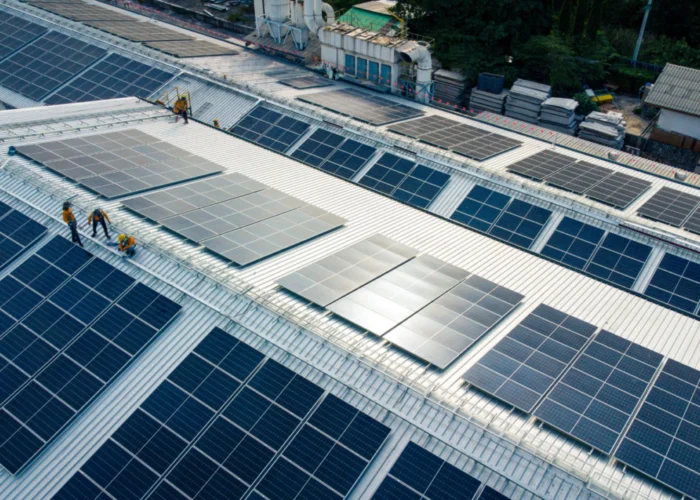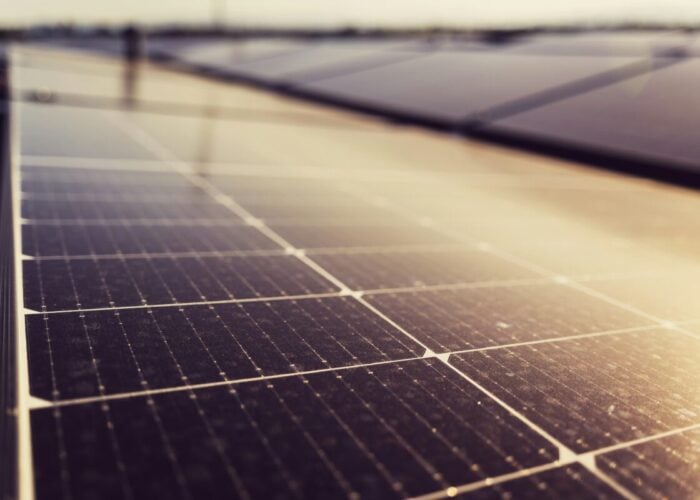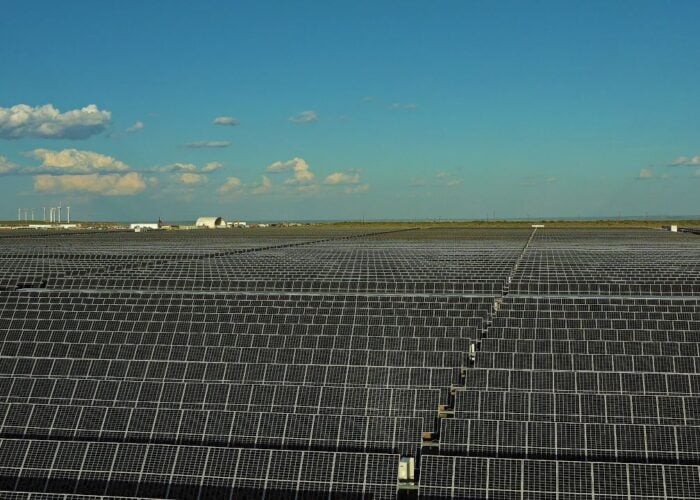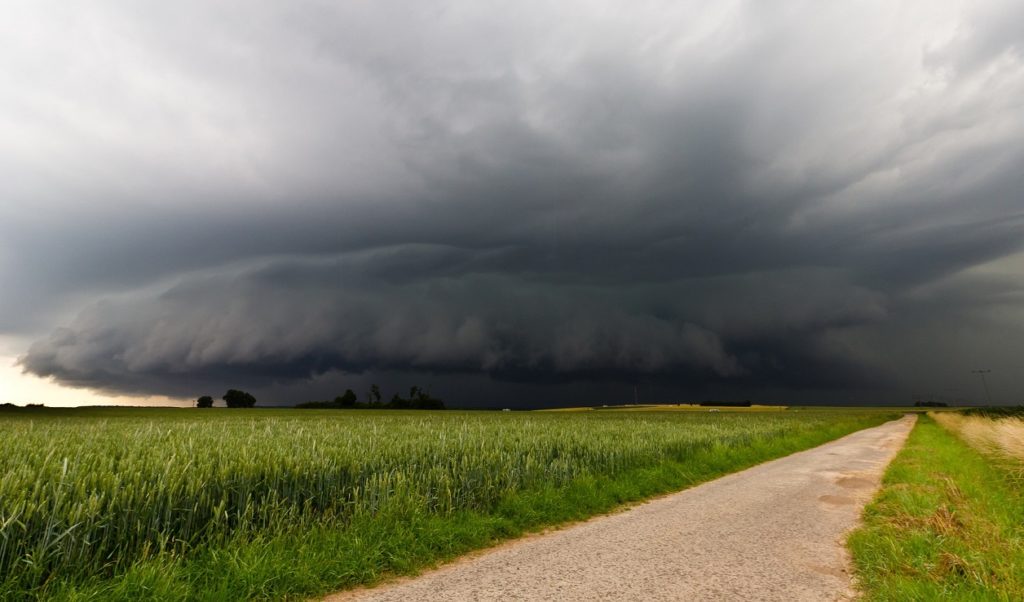
Current testing for solar modules is inadequate to account for the rising severity of extreme weather events in North America, according to a report from renewable energy project underwriter GCube Insurance.
The research claims that the frequent incidence of solar losses across a range of extreme weather events suggests that developments of PV technology “are behind the curve” when it comes to improving weather resistance.
Try Premium for just $1
- Full premium access for the first month at only $1
- Converts to an annual rate after 30 days unless cancelled
- Cancel anytime during the trial period
Premium Benefits
- Expert industry analysis and interviews
- Digital access to PV Tech Power journal
- Exclusive event discounts
Or get the full Premium subscription right away
Or continue reading this article for free
Solar technologies are subject to impact tests for hail resilience whose minimum requirements are easy to pass, GCube said.
The firm added that the International Electrotechnical Commission’s hail tests use projectiles of 25mm, which are half the size of the average hailstone experienced in the ‘very severe’ hailstorms frequently seen across North America.
“Meanwhile, there remains no requirement to test for microcracking, a key issue which causes considerable issues for insurers,” the report reads.
Titled North American Nat Cat Update, the research reveals the US renewables market has just experienced its worst summer on record for natural catastrophe claims, with hail experienced in Texas in early summer resulting in solar losses estimated in excess of US$300 million.
While total claims values are still being calculated, multiple instances of losses exceeding sub-limits of up to US$50 million – due to extreme weather events like hail, tornados and derechos – “make clear the need for improved modelling and the more effective use of existing weather data”, GCube said.
The rising severity of losses and the industry’s continued difficulty in managing risks “is a concerning trend”, said Fraser McLachlan, CEO at GCube.
“The unprecedented growth potential unlocked by the Inflation Reduction Act will count for little if the North American renewables sector is unable to combat extreme weather risks.”
McLachlan called for a concerted effort across the value chain to strengthen policies, improve data utilisation, and update modelling and testing procedures.
Research published earlier this year from GCube found that supply chain woes, spiralling energy prices and the COVID-19 pandemic reversed a downward trend in average business interruption claims for renewables developers, with the solar sector nearly doubling its average downtime days.