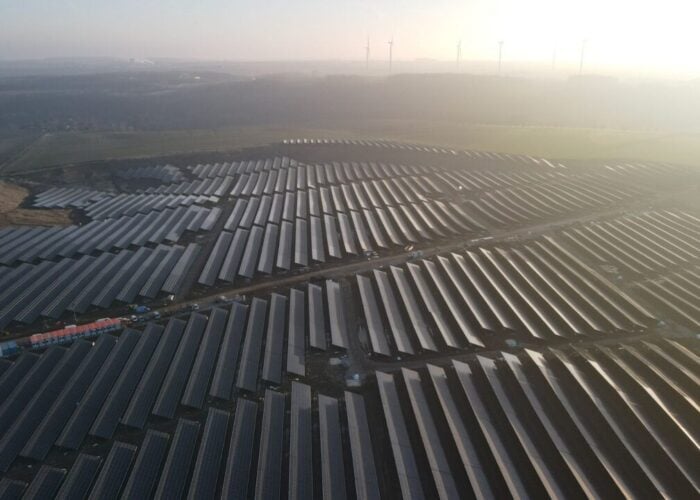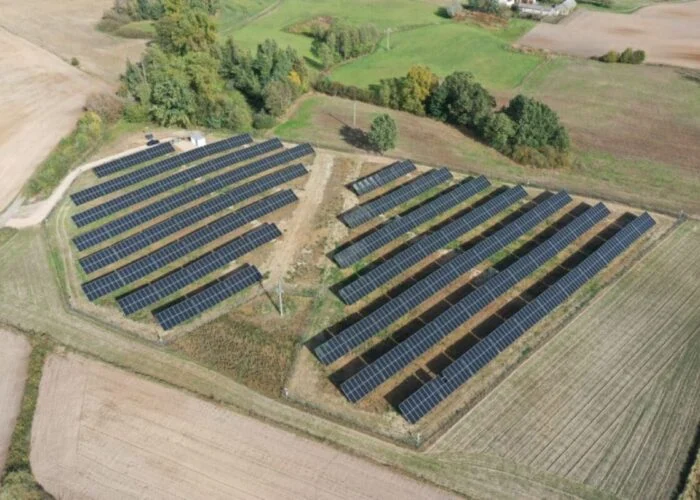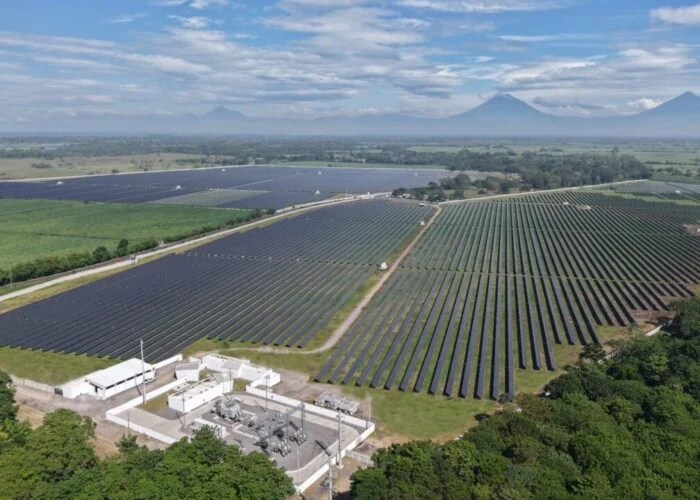
Solar power has saved EU countries over €110 million (US$127.5 million) a day since the outbreak of war in the Middle East, according to analysis from trade body SolarPower Europe.
Cumulative savings over the month of March reached €3.76 billion as the EU’s solar fleet offset gas imports that have soared in price since the US and Israel began bombing Iran.
Try Premium for just $1
- Full premium access for the first month at only $1
- Converts to an annual rate after 30 days unless cancelled
- Cancel anytime during the trial period
Premium Benefits
- Expert industry analysis and interviews
- Digital access to PV Tech Power journal
- Exclusive event discounts
Or get the full Premium subscription right away
Or continue reading this article for free
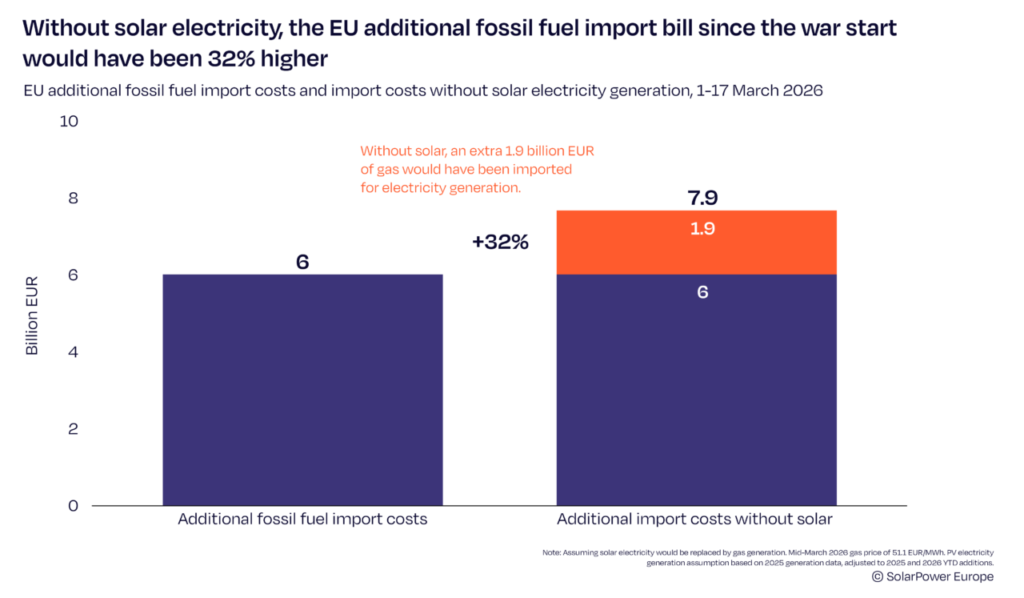
According to a SolarPower Europe briefing paper published today, the EU PV fleet generated 19.9TWh of power in the first 2.5 weeks of the war. If met through additional gas imports, that would have cost €1.9 billion, or 32% on top of the €6 billion the European Commission said had been spent on fossil fuel imports over that period.
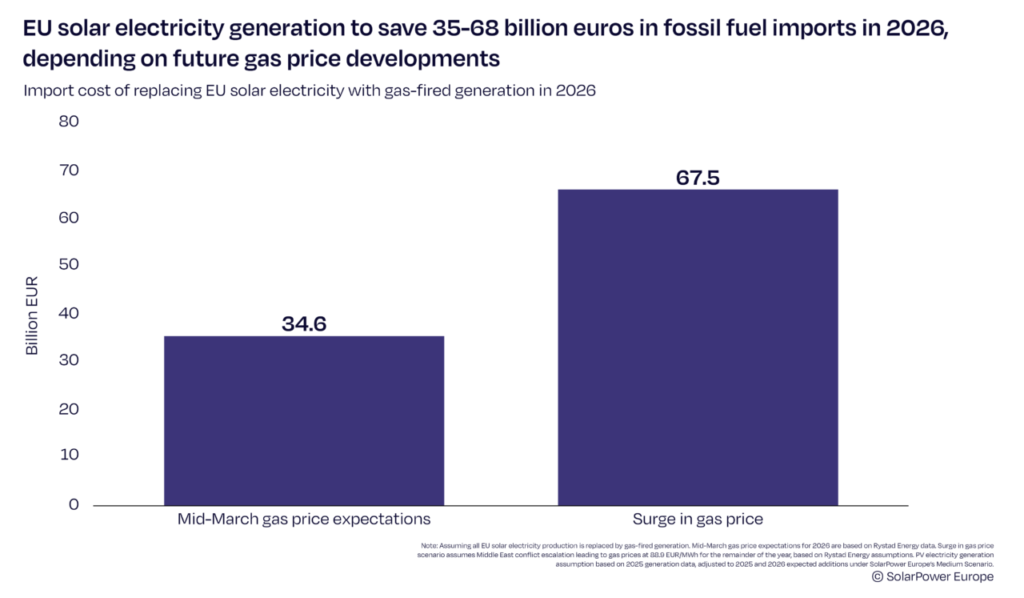
SolarPower Europe estimated that the total benefit across the remainder of 2026 could reach €67.5 billion if gas prices surge above their March 2026 average. The research uses fossil fuel pricing data from Rystad Energy.
“Europe is experiencing a second fossil fuel price shock in the space of four years. But the urgency in 2022 has given way to complacency. Solar deployment in the EU flatlined in 2024 and 2025 despite the huge costs created by our energy dependence. This new data is a reminder of how solar is serving Europe today, and the scale of the future benefits to our security and economy.”
SPE said the conflict highlighted the need for renewed urgency in rolling out battery storage and other flexibility measures across the EU to maximise the value of solar and other renewables at times of market volatility. This is because, by shifting electricity supply to the period when it is most needed and shaving consumption peaks, flexibility solutions reduce the time gas sets the electricity price under the merit order system, SPE said.
SPE’s deputy CEO Dries Acke said: “Accelerating non-fossil flexibility solutions, like battery storage, demand response and flexible grids, should be the absolute priority for EU decision-makers. They should not only look at temporary relief measures but also adopt an emergency action plan that expedites the structural solutions.
“Battery storage stands out as the swiftest and most effective option to prevent expensive gas from setting electricity prices. That in turn makes electrification and flexibility cheaper for European industry and households.”
‘Solar and storage for EU energy security’ is available in full here.