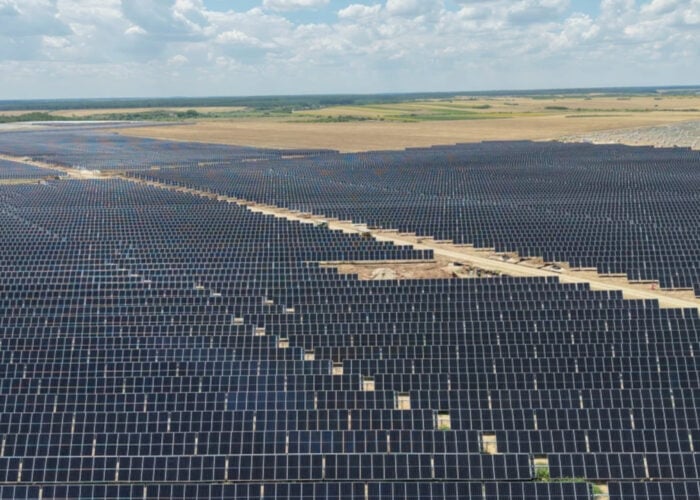
PV is set to become the second most important source of power in the US after natural gas by 2040, according to the US government's Energy Information Administration (EIS).
The EIA’s Annual Energy Outlook 2014 predicts the overall rate of new electric generation capacity between now and 2040 will slow compared to recent years, but that solar will become an increasingly important part of the picture.
Try Premium for just $1
- Full premium access for the first month at only $1
- Converts to an annual rate after 30 days unless cancelled
- Cancel anytime during the trial period
Premium Benefits
- Expert industry analysis and interviews
- Digital access to PV Tech Power journal
- Exclusive event discounts
Or get the full Premium subscription right away
Or continue reading this article for free
From 2000-2005 and 2006-2012, new annual generation additions averaged 35GW and 19GW respectively. New additions to 2016 are expected to average 16GW, falling to 9GW until 2022 and then growing again to 14GW per year from 2025 to 2040.
Of the 338MW of total new capacity the EIA expects by 2040, natural gas will account for 255GW – or 73%. But renewables are expected to see 83GW of new additions, of which solar will account for 39GW, almost half.
According to the EIA, 60% of that solar capacity will come from rooftop installations.
Wind power will see 28GW of new additions, 60% of which will be built by 2015 when the production tax credit that has played a key role in supporting the growth of wind in the US expires.
Nuclear additions will total 10GW, including 6GW of plants already under construction and 4GW planned after 2027.
Rhone Resch, chief executive of the Solar Energy industries Association in the US, said: “This report predicts that 60% of all new PV installations in the years ahead will be rooftop solar, creating significant savings when it comes to future energy costs.”
But Resch said this progress could be threatened by attacks on policies such as the solar Investment Tax Credit, net metering and the state renewable portfolio standards.
“Of immediate concern, we are strongly urging Congress to adopt “commence construction” language this year, allowing project developers to take full advantage of the highly-successful solar ITC and giving Americans access to new, affordable clean energy sources,” Resch said.