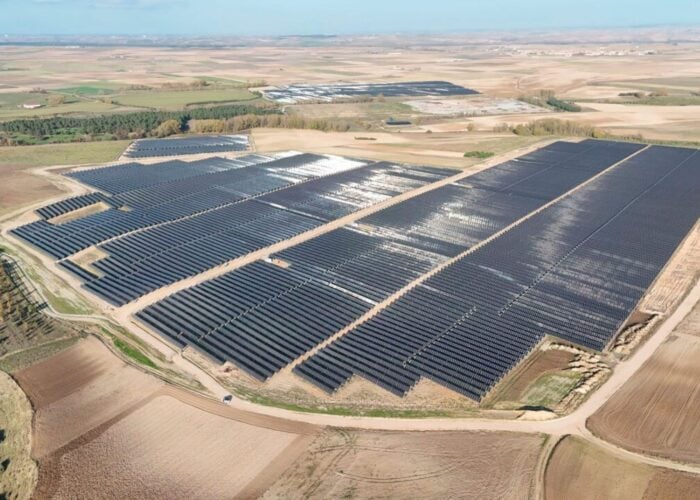
South Australia has entered the renewable energy news twice this week, first announcing the opening of its largest PV systems in Adelaide Showground and later, the less positive warning published in Adelaide Now, from welfare groups that electricity prices for those in the area, could potentially double within five years.
In a submission to the Australian Energy Regulator, UnitingCare Wesley said residential consumers would pay 95.7% more over five years, due to rising generation, transmission and distribution costs and capital works programs.
This news of course brings with it the promotion for solar energy in the region, as although this is at present a slightly more costly option for homeowners, the prospect of 95.7% increase in conventional energy sources is not appealing to even the most anti-green out there.
The grid connect solar power option available in the region becomes a more attractive proposition for home owners, businesses and community groups in South Australia; especially given the thousands that can be currently saved on a system through the Solar Credits program.
Additionally, owners of solar power systems in South Australia can also benefit from the state’s net feed in tariff program, which is currently €0.34/kWh (AU$0.44). Small electricity customers in South Australia – that is a household, small business, community building, church or other facility that consumes less than 160MWh of electricity per annum – are paid this premium guaranteed tariff of €0.34/kWh for surplus electricity produced.
The feed in tariff program is available to all qualifying South Australian residents, regardless of the electricity company that provides power to their premises.
South Australian business owners can also claim a tax deduction of up to 50% on a solar power system installed at their business premises under The Small Business and General Business Tax Break legislation.
Try Premium for just $1
- Full premium access for the first month at only $1
- Converts to an annual rate after 30 days unless cancelled
- Cancel anytime during the trial period
Premium Benefits
- Expert industry analysis and interviews
- Digital access to PV Tech Power journal
- Exclusive event discounts