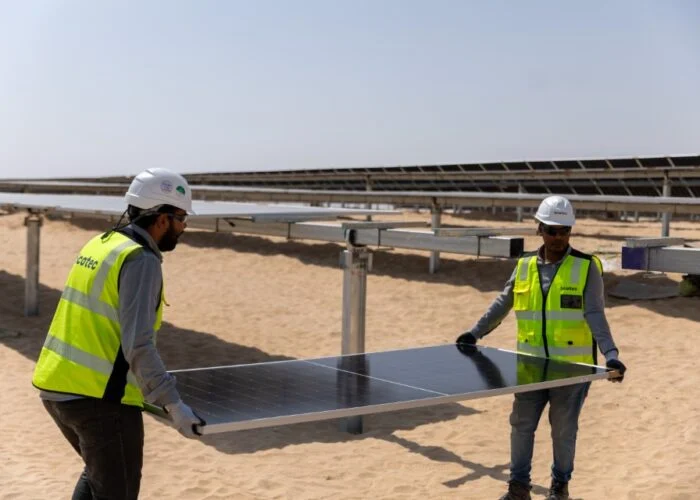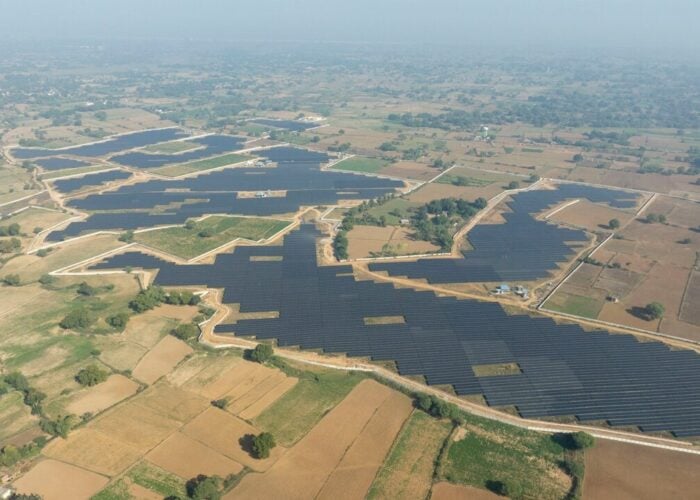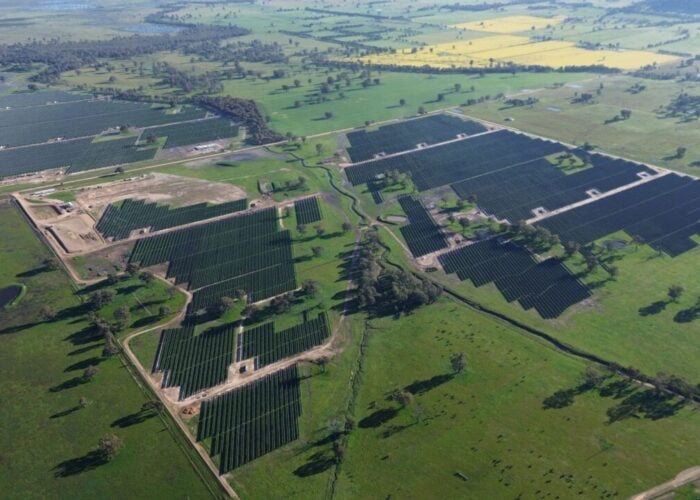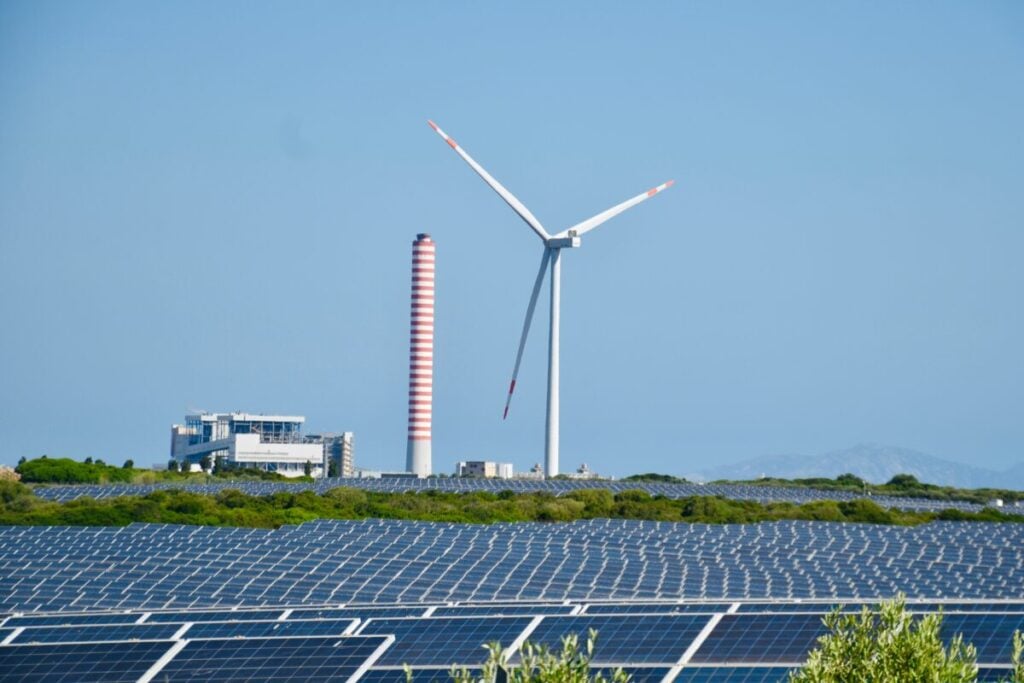
Japanese trading company Sumitomo has invested in a utility-scale renewable energy park combining solar PV, wind and energy storage in India.
Developed by Indian independent power producer (IPP) Hero Future Energies, the project will combine 500MW of solar PV and wind power, co-located with a 200MWh battery energy storage system (BESS).
Try Premium for just $1
- Full premium access for the first month at only $1
- Converts to an annual rate after 30 days unless cancelled
- Cancel anytime during the trial period
Premium Benefits
- Expert industry analysis and interviews
- Digital access to PV Tech Power journal
- Exclusive event discounts
Or get the full Premium subscription right away
Or continue reading this article for free
The hybrid project, which is in an advanced stage, will be located in the south-western Indian state of Karnataka and aims to provide round-the-clock electricity primarily to government-owned utility SJVN Limited through a 25-year power purchase agreement (PPA). The surplus electricity generated will be sold on the power exchange market, according to the Japanese trading company.
Through the investment, Sumitomo will acquire a 49% stake in Clean Solar Power (Baniyana), the company undertaking the hybrid renewable energy project. The remaining share of the company will be owned by a subsidiary of Hero Future Energies (HFE).
The commercial operation date for the hybrid renewable energy project is planned for March 2027.
Jun Minase, general manager of the overseas energy solution strategic business unit at Sumitomo Corporation said: “We are very pleased to collaborate with Hero Future Energies. We see significant potential in HFE’s clearly defined growth ambitions, particularly as the share of renewable energy continues to grow rapidly within India’s energy mix. Through this partnership, we will strengthen our renewable energy business platform in India while pursuing new business opportunities that support the stable supply of renewable energy.”
Hybrid renewables-plus-storage projects have been increasingly more popular in India and have been linked to new procurement mechanisms, including firm and dispatchable renewable energy (FDRE), round-the-clock (RTC) and peak-power supply tenders. Earlier this year, Shubham Kumar Prajapati, general manager at Indian software engineering and consulting firm 1E9 Advisors and director at BatteryOS, spoke with PV Tech Premium (subscription required) about the Indian renewables market evolution and how dispatchability is becoming the defining metric for a project’s viability.