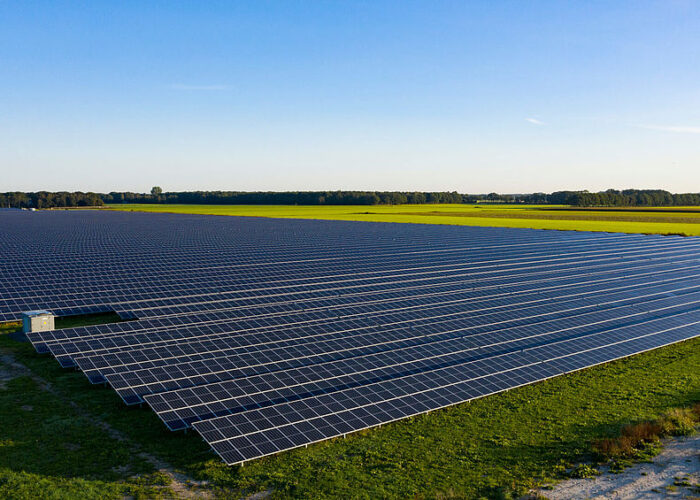
Renewables group BayWa r.e. and its Dutch subsidiary GroenLeven have partnered with Netherlands energy network operator Alliander to build a pilot green hydrogen project powered with a 50MWp solar farm.
Trade association SolarPower Europe (SPE) has called on the European Union to increase the share of renewables in final energy demand to at least 45% by 2030, a move it says would put the bloc on track to deliver on the 1.5° Paris Agreement scenario.
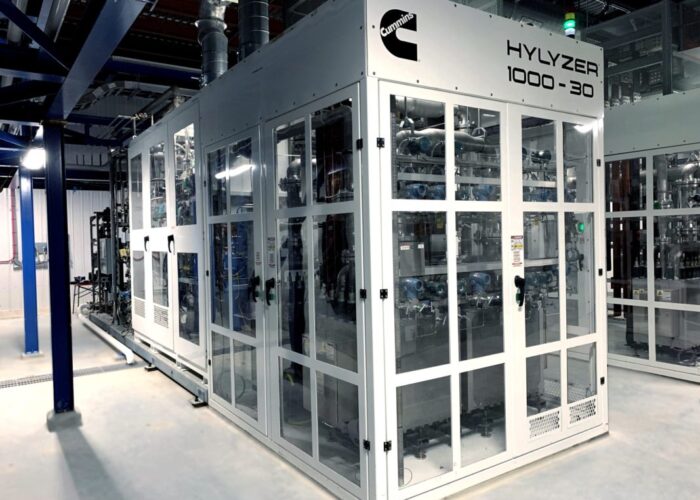
Spanish energy company Iberdrola is working with US power technology distributor Cummins on what the pair claim will be one of the world’s largest green hydrogen facilities in Spain.
Europe’s solar technology specialists may need up to €7 billion (US$8.51 billion) in capital investment in order to scale up domestic manufacturing to be globally competitive, according to a panel of industry leaders.
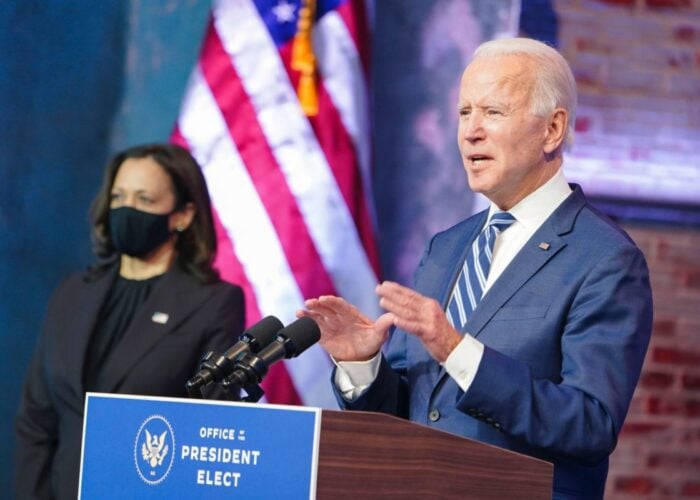
President Joe Biden has said this is the “decisive decade” for combating climate change, as he unveiled a new goal to at least half US emissions by 2030.
There is likely to be demand across Europe for producing hydrogen from renewable energy, but the right regulatory frameworks and legislation need to be in place for the green hydrogen industry to find success.
Green hydrogen may become cheaper than natural gas by 2050, falling by 85% over the next 30 years, but declining costs in the solar sector will be crucial for the nascent technology's growth.
EDP, Iberdrola and BayWa r.e. are among the signatories of a new charter that calls on Europe to “accelerate and massively deploy” additional renewables capacity to support the continent’s green hydrogen ambitions.
A European Commission-backed project has been launched to scale up Europe’s PV manufacturing industry and capture the continent’s “booming demand” for solar equipment.
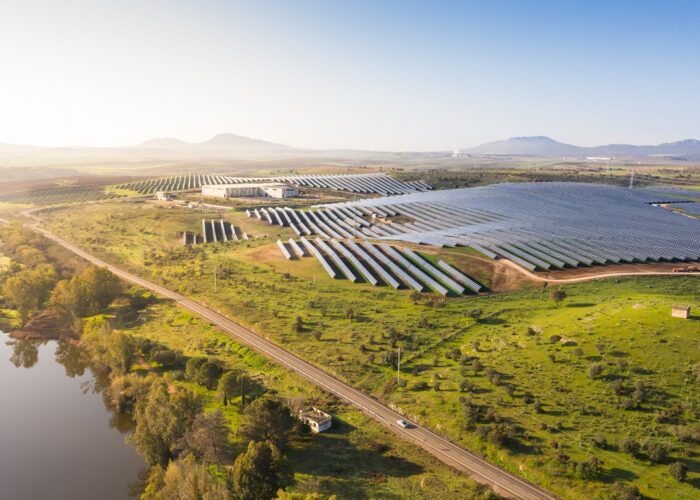
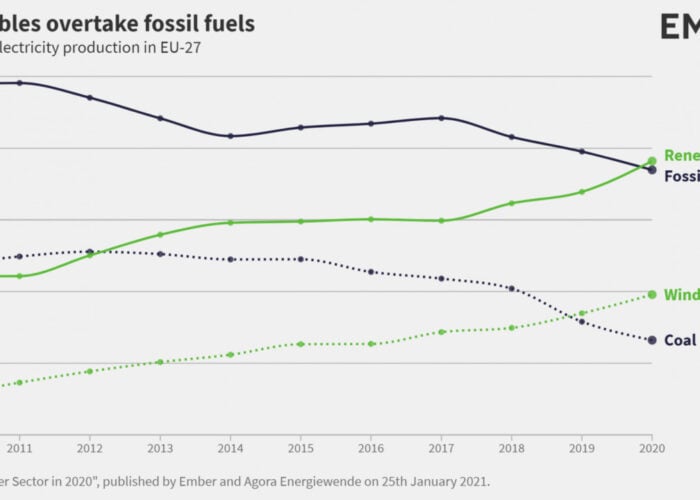
The rapid scale-up of solar capacity in the European Union drove the growth of renewable electricity generation, which overtook that of fossil fuels for the first time last year.