Independent power producer ACWA Power expects to see a 2% yield improvement following the installation of Huawei’s FusionSolar Smart PV Management System.
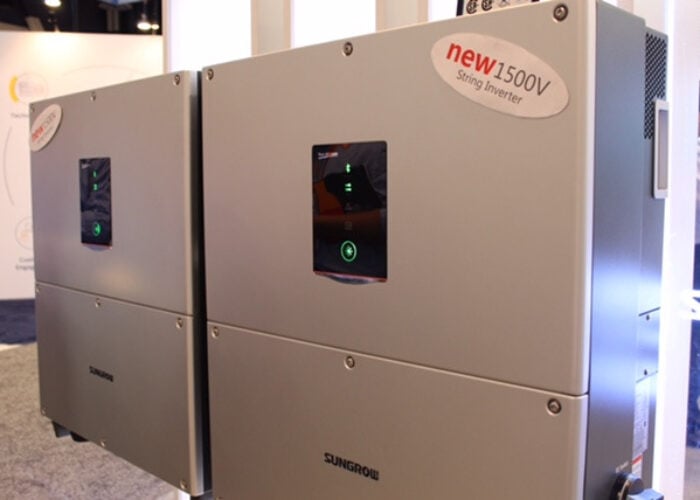
The downstream solar PV market continues to evolve and as such so does the inverter. At Solar Power International 2017 in Las Vegas the continued roll-out of new products continues as the markets expand for energy storage and larger capacity commercial and residential rooftop systems.
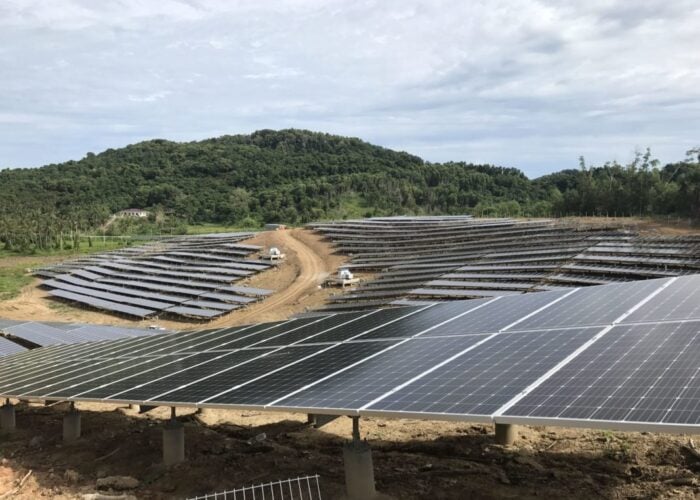
Leading solar PV inverter supplier Huawei said it had won the supply bid for Malaysia's first 50MW(AC) utility-scale PV plant project based on its ability to provide smart solutions to the projects challenging location and environmental conditions.
Huawei's Matthias Wagner speaks to PV Tech at Intersolar 2017 about the changing trends in PV, the growing role for data management and the impact this has on the wider grid. In particular, the ability of smart solar to defer costly grid expansion investment.
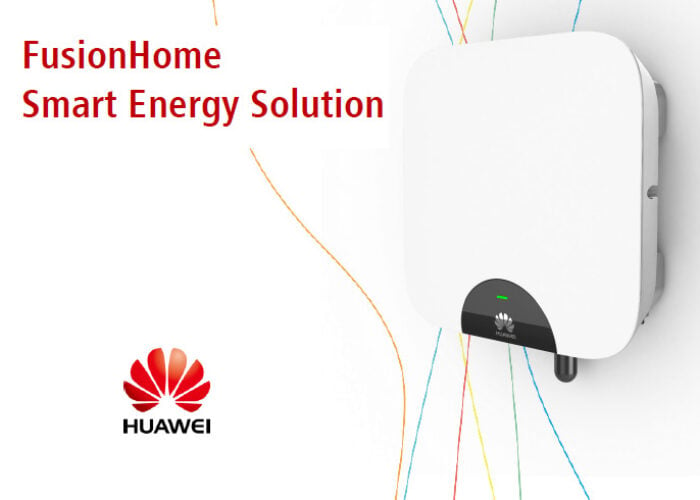
Huawei Technologies is launching its first smart inverter solution to the global residential solar photovoltaic (PV) market. The ‘FusionHome Smart Energy Solution’ is designed from the bottom-up to be a ‘one-4-all’ (one inverter SKU for all) residential application scenarios that offers a number of key capabilities for future residential home needs such as power optimization, energy storage and smart home integration in a simplified plug & play configuration.
Leading solar PV inverter manufacturer Huawei has unveiled at Intersolar Europe 2017 the ‘Huawei FusionHome Smart Energy Solution’ for the European residential market, its first smart PV hardware and intelligent monitoring software designed for the smart home of the future.
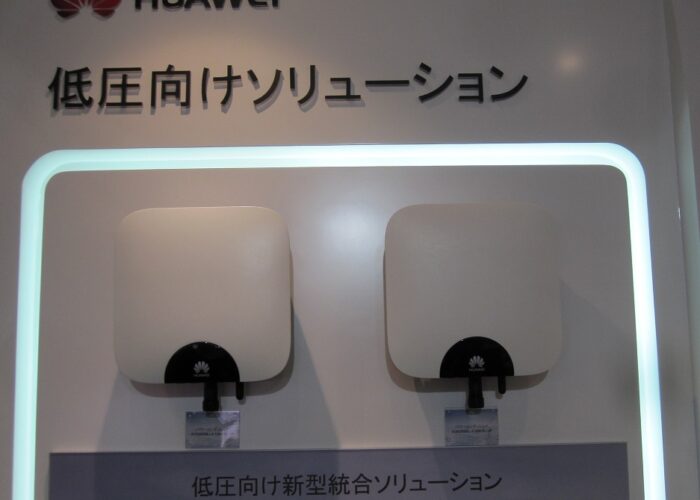
Chinese tech giant Huawei was showcasing two sets of PV inverters for the Japanese market at this week’s PV Expo, with the company targeting 2GW of shipments into the country this year according to representatives.
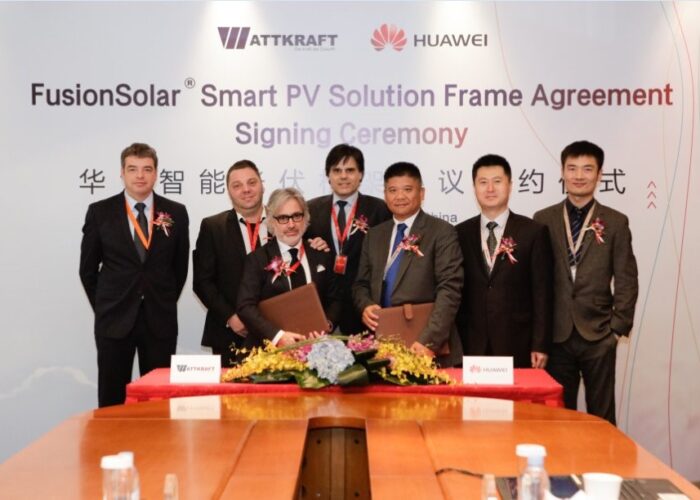
Huawei Technologies has renewed its PV inverter distributor deal within European markets with Wattkraft, which is expected to lead to the supply of around 500MW through 2017.
Nuclear reactors approaching end-of-life, a sound PV manufacturing industry and a robust legal system all make a strong case for solar PV to muscle into Taiwan’s energy mix. Last year, a new government set a target of 20GW solar by 2025, but the industry must deal with scarce land availability and the threat of typhoons. PV Tech examines some of the huge numbers being proposed and what it will take to realise them.