In the six months since the Inflation Reduction Act (IRA) passed into law, the US has seen over 100,000 new clean energy jobs created across 31 states as companies begin to capitalise on the incentives and security that the bill offers.
Solar power will dominate new electric-generating capacity additions in the US this year, according to the Energy Information Administration's (EIA) Preliminary Monthly Electric Generator Inventory.
Renewables asset owner Brookfield Renewable has reported 2022 net income of US$138 million, improving from a loss in the same period a year earlier of US$66 million. Whilst in Q4 2022, it recorded net income of US$60 million, increasing from US$33 million in Q4 2021.
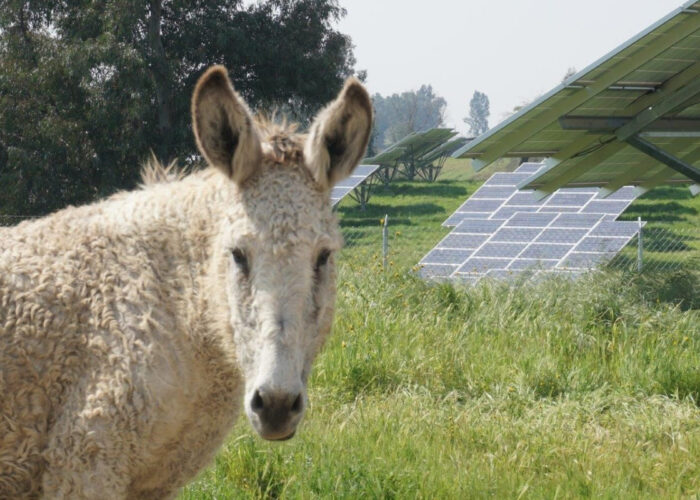
Agrivoltaics developer Pristine Sun Corporation has secured US$250 million in financing to develop and expand its projects in California, Texas and Louisiana, as well as further afield across the continental US.
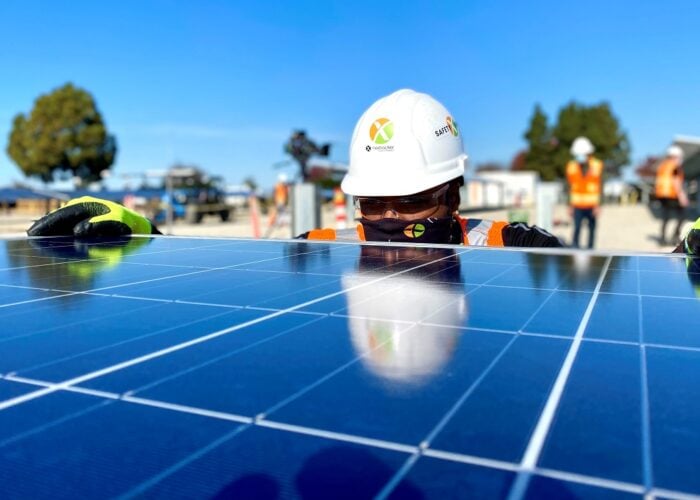
PV tracker solutions provider Nextracker has launched its investment roadshow after submitting an initial public offering (IPO) to the US stock market Nasdaq last month, seeking to raise up to US$534.9 million.
Amid potential supply chain bottlenecks as China increases its PV manufacturing dominance, companies in markets such as the US, India and Europe are looking to leverage new policy support to scale up domestic production. Jules Scully charts the industry’s efforts to onshore solar module manufacturing.
Silicon materials producer REC Silicon has concluded a 10-year agreement with South Korean conglomerate Hanwha Solutions to offer fluidised bed reactor (FBR) polysilicon.