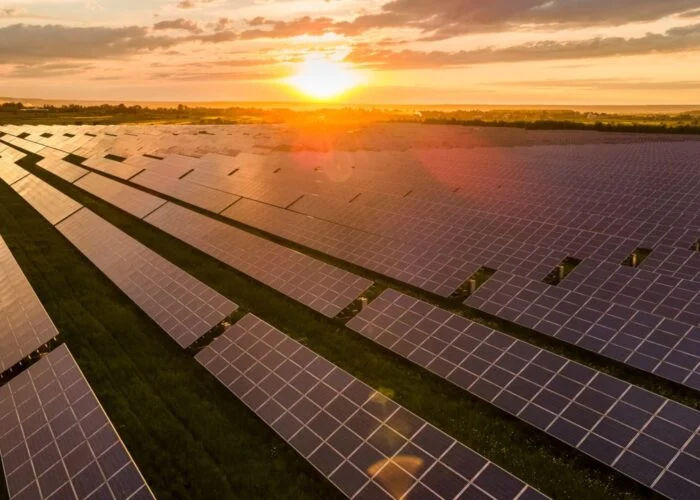
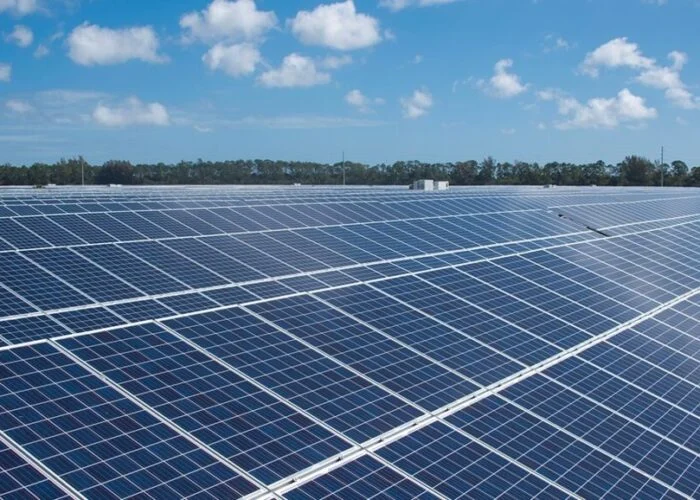
Australia’s reduced Renewable Energy Target (RET) of 33,000GWh could scale back large-scale solar potential in the country by 80%, according to a leading industry figure.
John Grimes, chief executive of the Australian Solar Council, told PV Tech that under the new target there would be some large-scale solar projects, but only a fraction of what would have been delivered under the original 41,000GWh target to 2020.
Try Premium for just $1
- Full premium access for the first month at only $1
- Converts to an annual rate after 30 days unless cancelled
- Cancel anytime during the trial period
Premium Benefits
- Expert industry analysis and interviews
- Digital access to PV Tech Power journal
- Exclusive event discounts
Or get the full Premium subscription right away
Or continue reading this article for free
He said the larger, original target “provided a lot of headroom” for large-scale solar.
Grimes added that because Australia has very good solar resources, as the cost of solar continues to fall, projects become increasingly price competitive with wind. Australian Solar Council modelling showed that in 2018-2020 there would have been significant take up of large-scale solar.
However, Grimes said: “Now the target has been cut, we expect a huge backlog of wind projects, which have been at a standstill for more than two years, to crack ahead as soon as possible. It is very likely the RET target will be saturated with wind projects well before the point that solar out-competes wind in terms of economics.”
In an interview with PV Tech published today Grimes discussed in detail what the new RET target means for the different solar segments in Australia with a wider outlook on the industry's future under prime minister Tony Abbott’s government.
In related news, the latest Budget delivered by Australia’s Treasurer Joe Hockey on 12 May, included a measure for small businesses to claim an immediate tax deduction for each and every item they purchase costing less than AUS$20,000, up from the previous AUS$1,000 threshold. The rule will last until July 2017.
Grimes said the new tax deduction could have the “unintended consequence” of causing a short-term boom in the commercial solar sector in Australia.
He claimed it was possible to install a 15kW array for under AUS$20,000 – adding: “It means if you are an astute business person you can now benefit through the RET target scheme and this tax write-off, so there’s actually never been a better time for businesses to buy solar than right now.”
“We expect to see a significant boost as a result.”