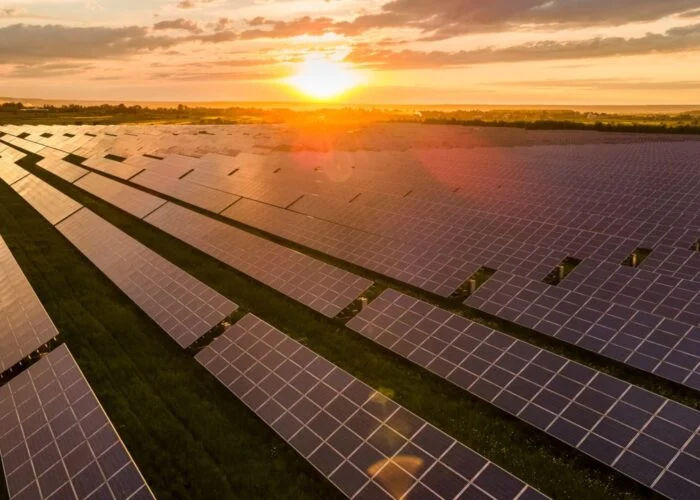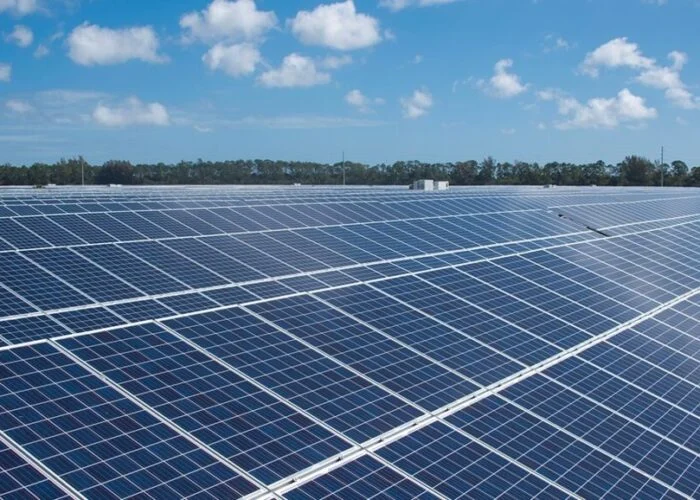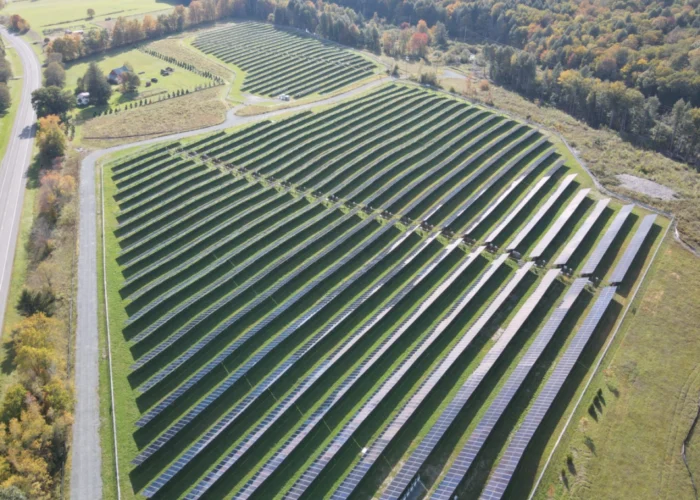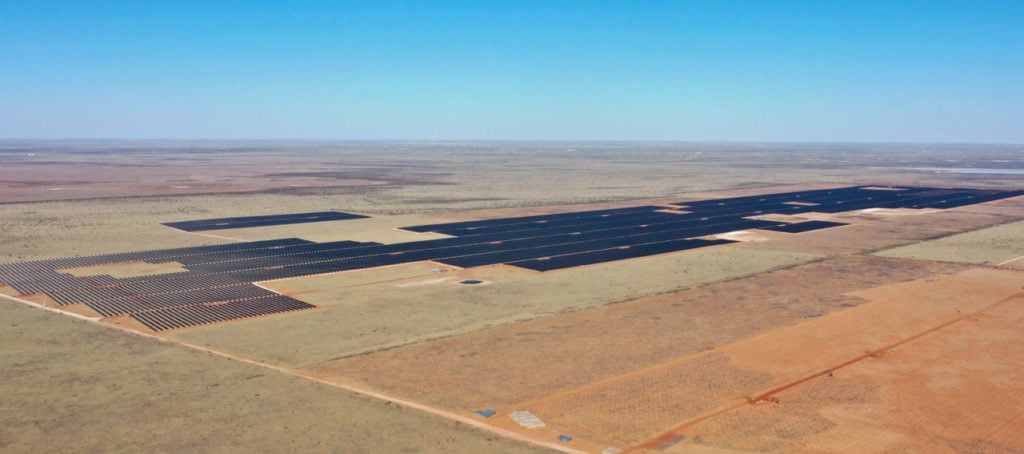
Details of nearly 4,000 utility solar projects in the US have been compiled in what is being hailed as the most comprehensive public database of large-scale PV systems to date.
Launched this week by the US Geological Survey (USGS) and the Department Energy’s Lawrence Berkeley National Laboratory (LBNL), the US Large-Scale Photovoltaic Database (USPVDB) pulls together the location, size and other key characteristics of the US’ utility-scale PV fleet.
Try Premium for just $1
- Full premium access for the first month at only $1
- Converts to an annual rate after 30 days unless cancelled
- Cancel anytime during the trial period
Premium Benefits
- Expert industry analysis and interviews
- Digital access to PV Tech Power journal
- Exclusive event discounts
Or get the full Premium subscription right away
Or continue reading this article for free
According to its backers, the aim of the new resource is to enable researchers to chart trends in large-scale solar development, as well as inform siting and planning for future solar deployment in support of President Joe Biden’s goal of decarbonising the US electricity system by 2035. According to DOE estimates, solar could account for as much as 40% of US electricity demand by 2035.
“Nearly 4,000 solar systems are mapped in this database, providing a crucial new asset for researchers, energy planners, government, and the solar industry,” said Jeff Marootian, principal deputy assistant secretaryfor energy efficiency and renewable energy. “The abundance of detailed information in this database will help us improve the responsible siting of large-scale solar energy projects across the country to benefit communities and meet our climate goals.”
The boom in utility-scale already underway in the US and expected to gather momentum over the next decade could require up to 5.7 million acres of land by 2035 and as much as 10 million by 2050.
The USPVDB builds on existing large-scale PV databases by providing information on each project’s total footprint area and other key attributes such as panel technology type, axis type, year of completion and generation capacity.
Further information is also included from the Environmental Protection Agency’s RE-Power initiative, which aims to encourage the siting of renewable energy developments on contaminated land sites, including mines and landfills.
This will provide data on an individual project’s site, including whether it is a greenfield, or has previous, current, or suspected contamination. It also identifies agrivoltaic sites, with data from the National Renewable Energy Laboratory’s Innovative Solar Practices Integrated with Rural Economies and Ecosystems (InSPIRE) agrivoltaics programme.
According to the DOE’s Solar Energy Technologies Office, which co-funded the database, researchers and decision-makers will be able to used the resources for a variety of purposes, such as analysing solar’s role in decarbonisation and planning new investments in PV infrastructure.