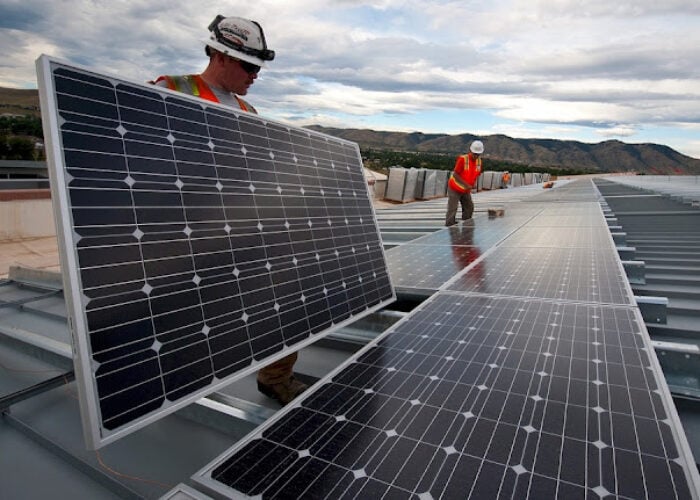
Indigenous-led renewable energy company Yindjibarndi Energy Corporation (YEC) has opened an expression of interest (EOI) process for commercial and industrial customers seeking renewable energy offtake from its expanding portfolio of large-scale clean energy projects across the Pilbara region in Western Australia.
The company, a partnership between the Yindjibarndi People and multinational renewable energy developer ACEN Corporation, targets major energy users across mining, minerals processing, heavy industry, hydrogen production, and infrastructure operations requiring firm renewable energy or future transmission access.
Try Premium for just $1
- Full premium access for the first month at only $1
- Converts to an annual rate after 30 days unless cancelled
- Cancel anytime during the trial period
Premium Benefits
- Expert industry analysis and interviews
- Digital access to PV Tech Power journal
- Exclusive event discounts
Or get the full Premium subscription right away
Or continue reading this article for free
YEC’s flagship Project Baru Marnda, a wind-solar-battery storage hybrid, has received Strategic Project status from the Western Australian Government and has been included on the Australian Government’s National Renewable Energy Priority List.
Alongside this, the Indigenous-led YEC recently submitted a hybrid solar-wind plant, featuring 500MWac of solar PV, to the EPBC Act.
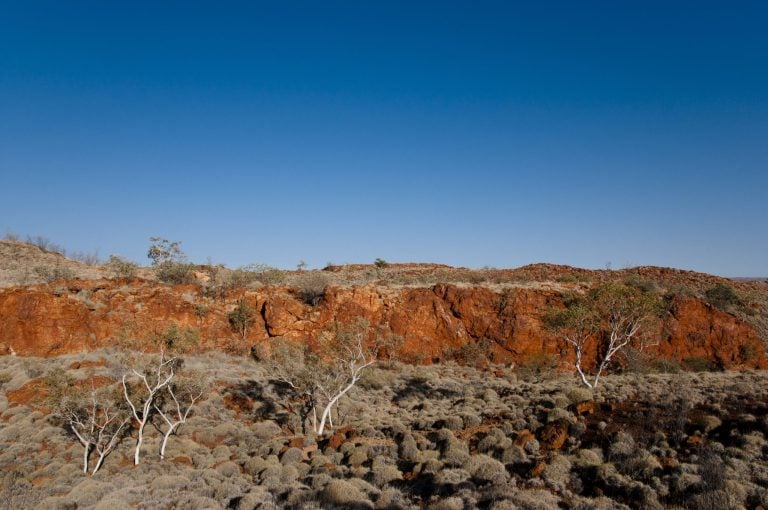
The project would be situated 50km south of Karratha, a city in the mineral-rich Pilbara region of Western Australia. The city is dubbed the “heart of the West Pilbara Coast” and is a key hub for Western Australia’s iron ore and gas industries.
Craig Ricato, YEC CEO, said the EOI launch reflects growing market demand for clean, reliable and commercially competitive energy solutions across the Pilbara.
“This EOI process is an opportunity for Pilbara operators to partner with a Traditional Owner-led energy developer capable of delivering high-quality renewable energy generation at scale,” Ricato said.
“Our vision is to provide long-term, cost-competitive, low-emissions power that accelerates regional decarbonisation while delivering lasting economic and social benefits for both the Yindjibarndi People and the region.”
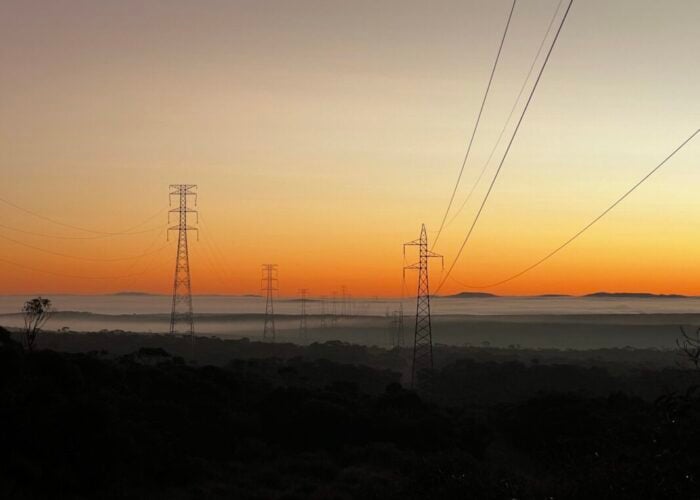
The development is advancing planning for the proposed Chichester Range Transmission Corridor (CRTC), a high-voltage, shared transmission corridor. This corridor is intended to unlock renewable energy capacity in the western Pilbara region and provide future connection options to the North West Interconnected System (NWIS).
The NWIS supplies electricity to several major towns and resource projects in the Pilbara area.
The CRTC has received Project Priority status under the State Government’s Pilbara Energy Transmission Plan and has been included on the National Renewable Energy Priority List.
The Pilbara’s renewable energy potential has attracted substantial government investment, with Western Australia’s Pilbara region set to become a solar technology testbed through AU$45 million (US$31 million) in ARENA funding.
This funding supports research and development initiatives that will advance solar technology deployment in the region’s challenging environmental conditions, including extreme heat, dust and cyclonic weather patterns.
Transmission infrastructure development remains critical for unlocking the Pilbara’s renewable energy capacity.
Analysis suggests that Australia’s coordinated approach to transmission in the Pilbara could save AU$30 billion compared to individual project-by-project transmission development.
The coordinated approach would enable a shared transmission infrastructure that reduces costs and environmental impacts while maximising renewable energy integration.