The Chilean senate has voted this week on revised targets for renewable energy production, making a unanimous decision in favour of aiming for producing 20% of the nation’s energy from renewable sources by 2025.
The original target was to achieve 10% by 2020. An earlier proposal from 2012 to hit 20% renewable energy generation by 2020 was rejected in favour of the new target, which was approved in the lower house in June.
Try Premium for just $1
- Full premium access for the first month at only $1
- Converts to an annual rate after 30 days unless cancelled
- Cancel anytime during the trial period
Premium Benefits
- Expert industry analysis and interviews
- Digital access to PV Tech Power journal
- Exclusive event discounts
Or get the full Premium subscription right away
Or continue reading this article for free
At present, between around 5% and 6% of Chile’s energy comes from renewable sources, up from around 3.2% in 2011, according to Centro de Energias Renovables, the Chilean renewable energy institute. As of the end of July 2013, Chile had an installed renewable energy capacity of 1,035MW, although at that time only 3.5MW of what was attributable to grid-connected solar power, making up about 0.2% of the overall energy mix.
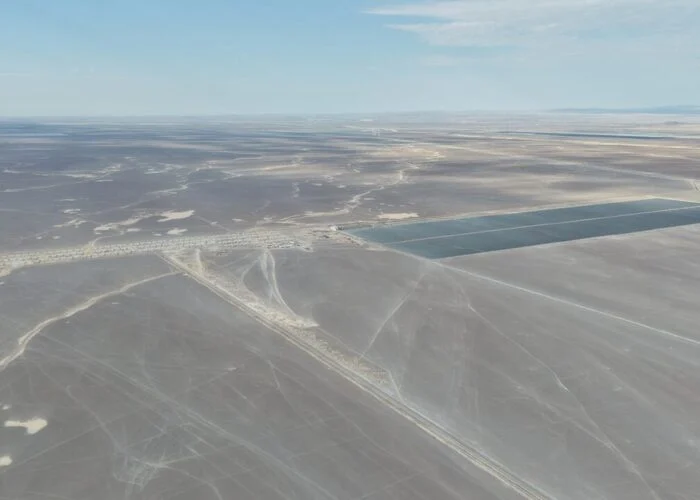
In late July, the Chilean Foreign Investment Committee approved US$1.1 billion investment in photovoltaics, while the development institution International Finance Corp (IFC) approved a US$49 million loan to Selray Energias to construct an unsubsidised 29.1MW solar plant in the Atacama desert region of the country. However at present, according to Centro de Energias Renovables, construction is yet to begin on over 4GW of approved solar projects, including 17 solar projects totalling 604MW that were approved in early August.