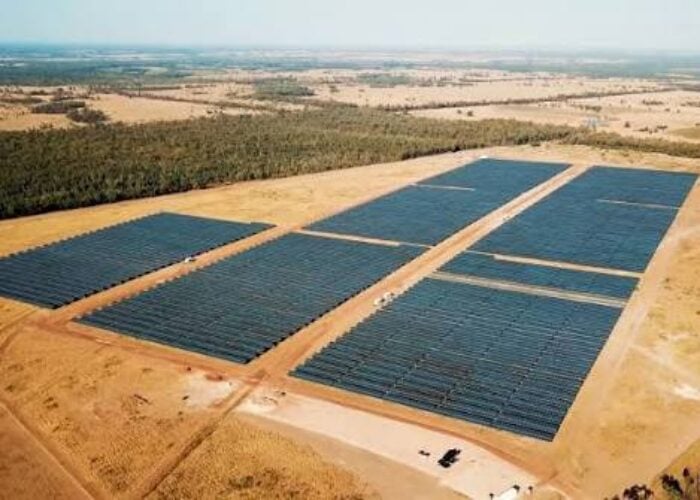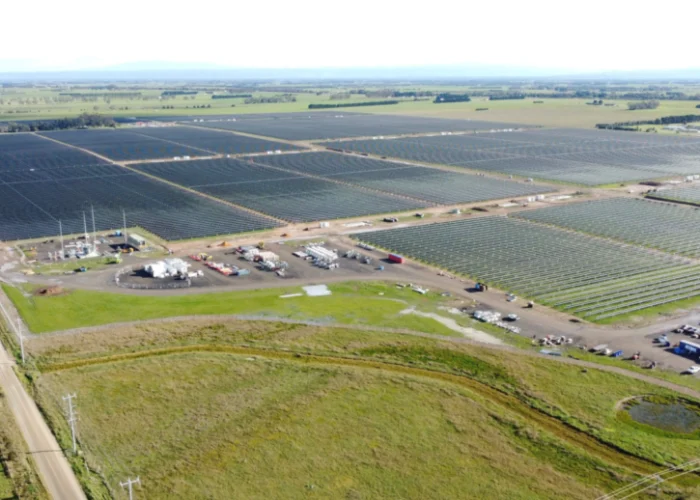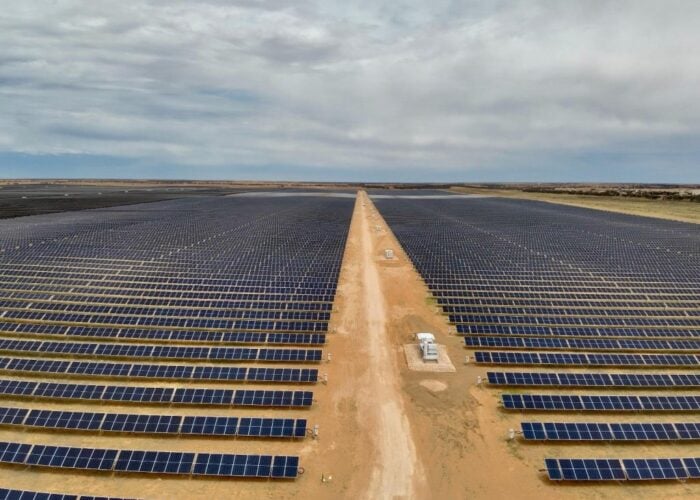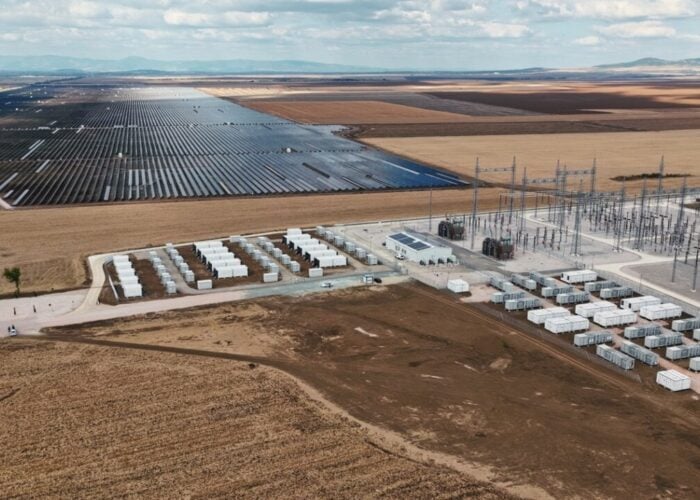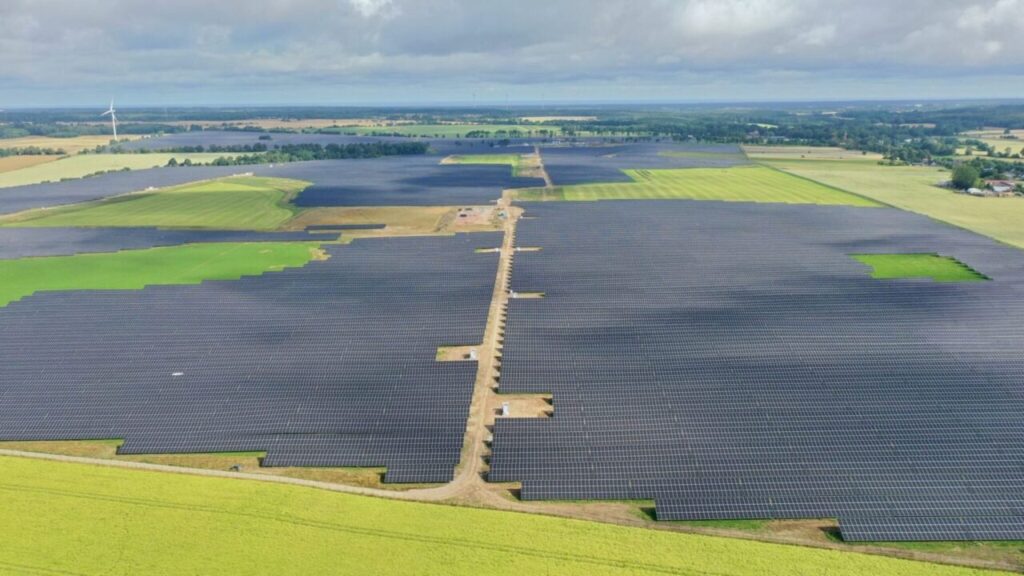
The 204MW Zwartowo solar power plant has entered the Polish balancing energy market, a first in the country, according to German PV developer Goldbeck Solar.
The project was a joint cooperation between Goldbeck Solar, responsible for the project’s development, construction and asset management, along with Polish trading energy company Respect Energy, which will trade the Zwartowo PV plant in the balancing market.
Try Premium for just $1
- Full premium access for the first month at only $1
- Converts to an annual rate after 30 days unless cancelled
- Cancel anytime during the trial period
Premium Benefits
- Expert industry analysis and interviews
- Digital access to PV Tech Power journal
- Exclusive event discounts
Or get the full Premium subscription right away
Or continue reading this article for free
Even though balancing services are well established for conventional power plants and selected wind farms, large-scale solar PV plants have faced significant technical, regulatory and operational barriers preventing their participation, according to Goldbeck Solar.
In the case of the Zwartowo solar power plant, due to its installed capacity, it is legally required to qualify for balancing services. However, the entry requirements for solar PV plants are “particularly stringent and go well beyond standard criteria for participation in electricity markets”, explained Goldbeck Solar.
The PV project required 14 months to go through the qualification process and involved close coordination with grid operators, regulatory authorities and market participants.
“The requirements are very harsh, especially for solar plants due to the intermittent nature of production and dependence on weather conditions,” said Affan Ahsan, Head of Asset Management at Goldbeck Solar. “Balancing markets were not designed with large‑scale photovoltaics in mind. Qualification requires precise controllability, very high data quality, reliable forecasting, as well as robust operational and legal processes.”
Moreover, participating in the balancing market helps reduce curtailment risks, improve dispatch predictability and strengthen resilience against market volatility. Goldbeck’s internal modelling also suggests that PV assets can achieve up to 10% short-term revenue upside by actively bidding into ancillary service markets, while long‑term gains sit at around 4%.
“Completion of the PV Zwartowo balancing services qualification is an important milestone not only for Respect Energy, but for the entire market. It proves that renewable energy sources can actively support system flexibility and respond to market needs,” said Karol Wolański, Head of Flexibility and Aggregation at Respect Energy.
Balancing mechanisms in Germany, Spain
The neighbouring country of Germany witnessed its first ground-mounted solar PV plant prequalify to participate in grid balancing mechanisms last year. The 37.4MWp Schkölen solar project, a collaboration between German PV developer Enerparc’s subsidiary Sunnic Lighthouse, Nordic electricity company Entelios and transmission system operator 50Hertz, was prequalified for automatic frequency restoration reserve (aFRR) services in November and marked a “paradigm shift” for the energy system, as Sunnic Lighthouse told PV Tech Premium in November 2025.
Other European countries, such as Spain, have also started allowing renewables to provide services that were previously restricted to conventional power plants. As a result of last year’s Iberian blackout (subscription required), the Spanish government passed legislation that allowed renewables, including solar PV plants, to participate in voltage control services, which began in March of this year.