Dresden, Germany-based OPV thin-film developer Heliatek has achieved a new organic tandem solar cell world record with 10.7% cell efficiency on a 1.1cm2 substrate. SGS undertook the testing and validated the figures. SGS also confirmed the OPV cell’s merits in low light and high temperature operation.
NanoMarkets has announced that it will publish two new reports in May, following its recent DSC and BIPV glass markets reports. The market research firm will publish “Opportunities in the Organic Photovoltaics Market 2012” and “BIPV Encapsulation Markets 2012” next month, which will conclude with eight-year forecasts of the both subjects, the OPV and BIPV encapsulation markets.
Dyesol has announced that, effective immediately, Gavin Tulloch will no longer serve in the consultant role of director of technology, a position he has been responsible for since October 2010. Details surrounding the end of the engagement were not disclosed, however, Dyesol did note that Tulloch will remain a non-executive director of the company.
Dyesol has announced that it has constructed Dye Sensitized Solar (DCS) solar panel prototypes. The panels exceed the size of 120cm x 60cm, which makes them the largest single-circuit series connected DCS panel up to date, to be used in BIPV applications.
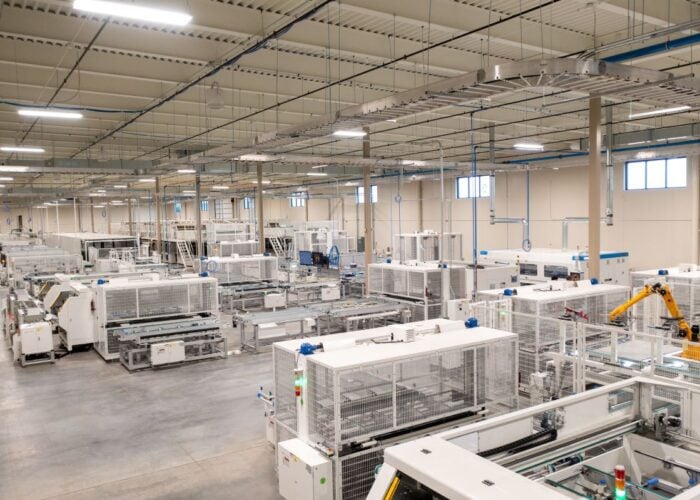
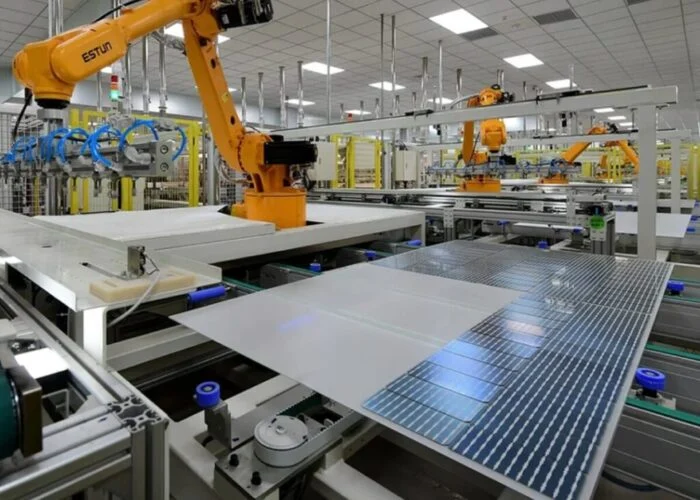
The first roll-to-roll flexible OPV thin film plant using vacuum deposition of oligomers has been officially opened by Heliatek. The €14 million facility in Dresden, Germany has 1 pilot/production line initially with the expectation to launch commercial product offerings in around the third quarter of 2012. The first key market Heliatek is addressing is BIPV and has plans to raise a further €50 million for a full-scale production line. An opening ceremony was attended by the Prime Minister of Saxony, Stanislaw Tillich.
According to a report released by research and consultancy group IDTechEx, the market for printed electronics has the potential to reach around US$9.4 billion by the end of the year. This figure includes devices that are not currently printed but which are moving towards being printed, of which 30% of the devices under inclusion are made predominately by printing, and 6% are manufactured on a non-rigid substrate.
Researchers at the University of California, Los Angeles (UCLA) have achieved a new record of 10.6% for the power-conversion efficiency of an organic polymer solar cell. Certified by the United States’ National Renewable Energy Laboratory (NREL), the record was achieved using a tandem device to harvest a wider range of the solar spectrum.
The Plastics Electronics Conference, co-located with SEMICON Europa since 2010, has been acquired by trade group, SEMI. The conference the committee has organized includes industry and academic leaders in the field of organic and inorganic large area electronics (OLAE will serve as a plastic electronics special interest group, guiding SEMI activities and services worldwide). SEMI said the conference and exhibition format would be extended to other regions in the future.
An EU-funded project has been launched to encourage the development of new organic photovoltaic (OPV) cells. With a budget of €14.2 million, the four-year initiative is to be led by the Swiss Centre for Electronics and Microtechnology (CSEM).
Through collaboration with international charitable organization WorldVenture, South Sudan is now the fourth country in which Eight19’s pay-as-you-go off-grid PV system is in operation. The plan is to deploy 1,000 units in the first half of 2012 in South Sudan and a total of 3,000 units of its small flexible OPV modules in Kenya, Zambia and Malawi.