Japan’s renewable energy capacity has reached a total of 1.443GW, according to figures released by the Japanese Ministry of Economy, Trade and Industry (METI).
From 1 April until 30 November 2012, solar PV accounted for 1.398GW, an increase of 272MW from the previous month.
Try Premium for just $1
- Full premium access for the first month at only $1
- Converts to an annual rate after 30 days unless cancelled
- Cancel anytime during the trial period
Premium Benefits
- Expert industry analysis and interviews
- Digital access to PV Tech Power journal
- Exclusive event discounts
Or get the full Premium subscription right away
Or continue reading this article for free
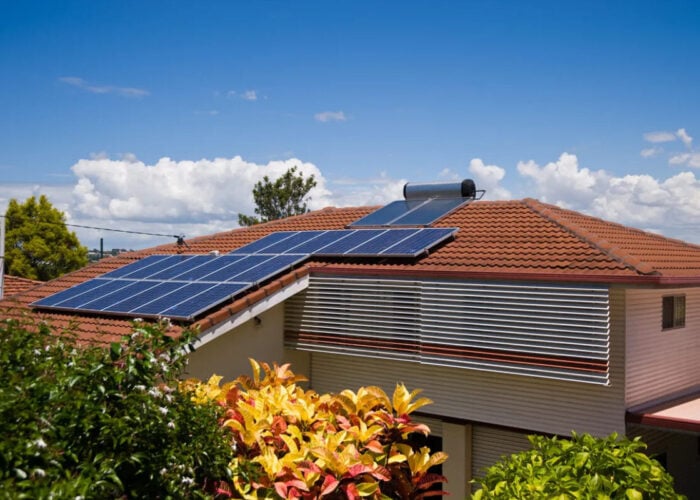
The Japanese residential sector is the most developed with 1.027GW while the non-residential sector installed 371MW.
Furthermore, last week Japanese mobile phone company Softbank announced the launch of a new PV programme which seeks to install PV arrays atop 1,000 residential rooftops in Japan.
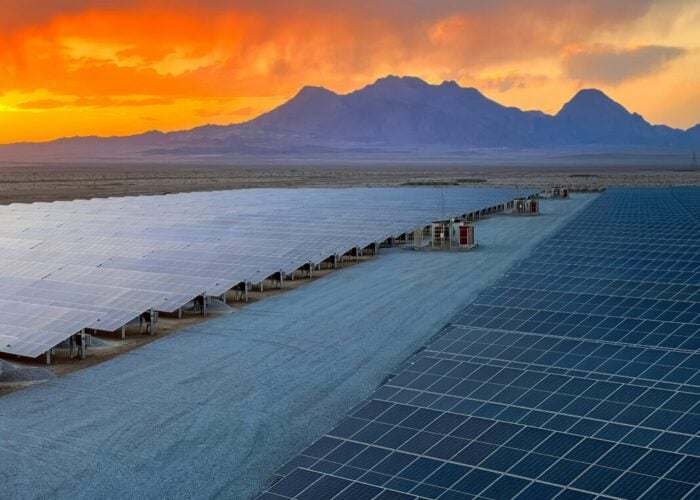
The prefecture with the most installed capacity was Hokkaido in northern Japan, where Orix Corporation, a Japanese financial services group, will construct its largest project will be located in Hokkaido with a total capacity of 17.5MW.
Japanese property developer Mitsui Fudosan has also unveiled plans to develop a 23MW solar power plant in Tomakomai city, Hokkaido.
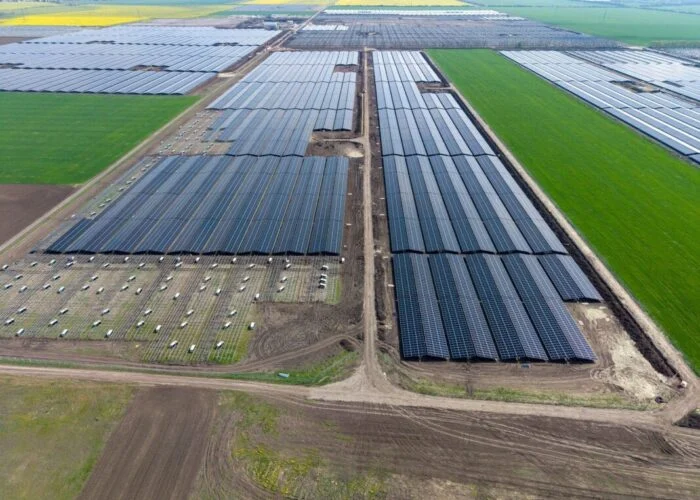
Currently, METI has approved 3,262MW of mostly large-scale PV projects. Although the majority of these projects will not be online by the end of the fiscal year, METI expects at least 600MW will be connected before 31 March 2013.
Since the Japanese government launched its feed-in tariff in July, the country has experienced a surge in PV investment, which has led to over US$2 billion of capital in renewables.
According to Reuters, the increased investment is a result of companies and homeowners trying to profit from an anti-nuclear energy policy following last year's Fukushima crisis. However, in March 2011, a tsunami knocked out power to the Fukushima Dai-ichi nuclear plant, leading to a meltdown.
As of 2010, nuclear capacity was 42.408GW, ranking it the third largest nuclear power generator in the world behind the US and France.
The average nuclear utilisation rate dropped from 68% in 2010 to 38% in 2011.