South Africa

Country/Tariff Roof-Top Ground-Based BIPV Term
South Africa

$0.166

$0.24

$0.166/kWp

20 years

Update: October 2012

South Africa’s Minister of Energy Dipuo Peters has announced an additional 3.2GW of renewable energy capacity by 2020 under its Renewable Energy Independent Power Producer Programme (REIPPP).

Update: March 2012

Although the feed-in tariff supplied by the South African government is attractive, it is also very limited applying predominantly to solar thermal rather than the more accessible solar PV.

2011

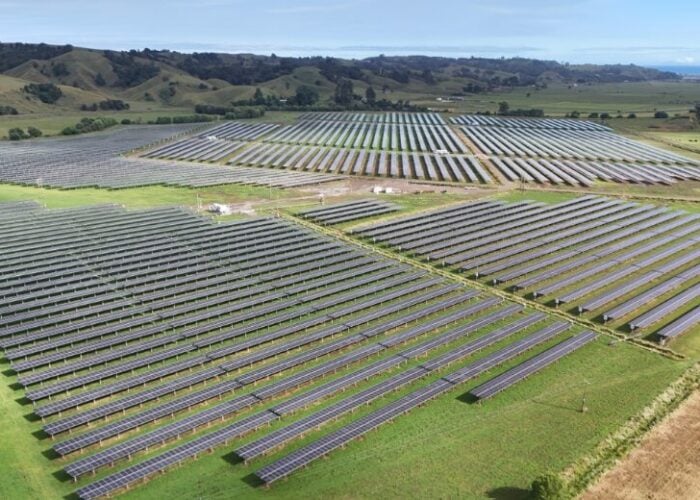
South Africa is a prime location for solar energy as it receives over 2,500 hours of sunshine a year; its solar radiation output is more than twice that of Europe, making it one of the highest in the world. The country's FiT is named the REFIT and is implemented by NERSA.

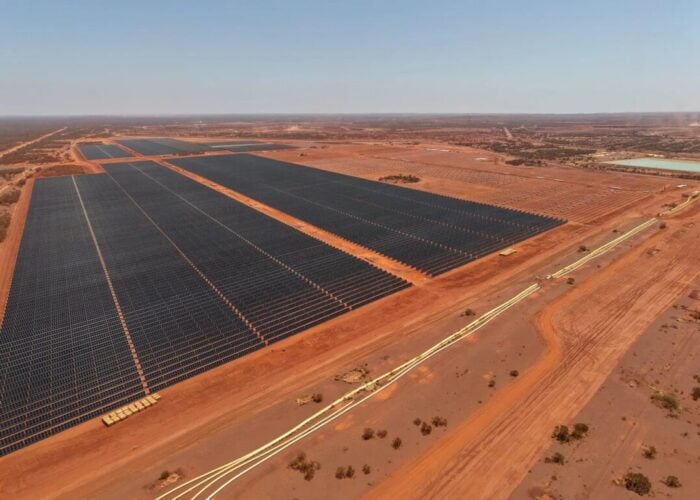
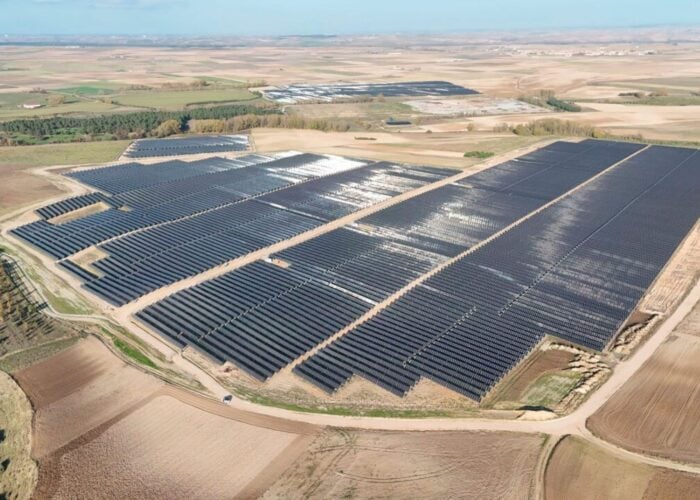
Although this project is large and shows initiative within South Africa to harvest the great amount of sun energy it receives, it is actually the first major solar project in this country. Up until recently solar energy had been neglected as the economy uses coal to generate 90% of its power.

With the rising price for traditional energy, countries such as South Africa are being forced to look into RES, and are quickly realizing the potential that has gone unnoticed for so long. Although Germany is still the front-runner for solar in the world, closely followed by Japan and the US, South Africa does have the potential to become a close competitor.

However, if South Africa is going to be serious about competing with the leading solar countries then it is going to need to dramatically improve its financial situation on the matter. At present the FiT rate for this country is very low at just US$0.24/kWh. This terms of this rate are fixed for a period of 20 years; this will be reviewed every year for the first five years and every three years thereafter, the resulting tariff will apply to new installations only.

The price of buying this kind of electricity in this country is also high, as it would be more than double the amount residents pay for electricity produced by coal, as South Africa has the cheapest electricity prices in the world.

Due to the ideal conditions for this type of technology, South Africa has seen a huge rise in the amount of PV installations and general interest in the technology in the last couple of years. The county's solar industry is ever growing with solar panel suppliers and other solar energy products being made and then sold.

An example of the growing PV interest in South Africa is the million-dollar plant being built by solar giant, Eskom in the Northern Cape. Eskom is clearly taking advantage of South Africa's potential to create a lot of solar energy. The solar company estimates that each kM2 of desert in the country receives solar energy equivalent to 1.5million barrels of oil.

South Africais therefore waiting for the technology to advance to the stage where the price of PV equipment, installation and purchase is much lower, and the price of coal is much higher. This will make solar electricity a much more attractive proposition in the country in comparison to coal.

Newsletter

Preview Latest
Subscribe
We won't share your details - promise!

Publications

  • Photovoltaics International 20th Edition

    Has the latest round of consolidation in the supply chain enabled a more sustainable growth curve for the solar industry or is this a blip fuelled by subsidies? In this context Photovoltaics International has never been more relevant for your business. Whether you are a glass half empty or full person, the fact remains that orders are up across the board, new markets are coming on stream and analysts’ predictions are increasing again. Optimism is starting to creep into even the most conservative of organisations.

  • Manufacturing The Solar Future: The 2013 Production Annual

    In the ever-changing global solar markets, cost reduction and measures to increase cell efficiencies are the key tools available to PV manufacturers to create new opportunities and drive your business to the next level. Manufacturing the Solar Future 2013 is the third in the Photovoltaics International PV Production Annual series, delivering the next instalment of in-depth technical manufacturing information on PV production processes designed to help you gain the competitive edge.

Partners

Acknowledgements

Solar Media