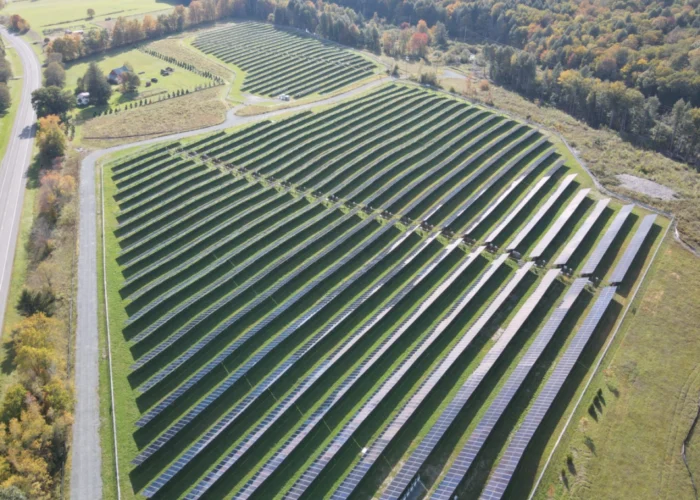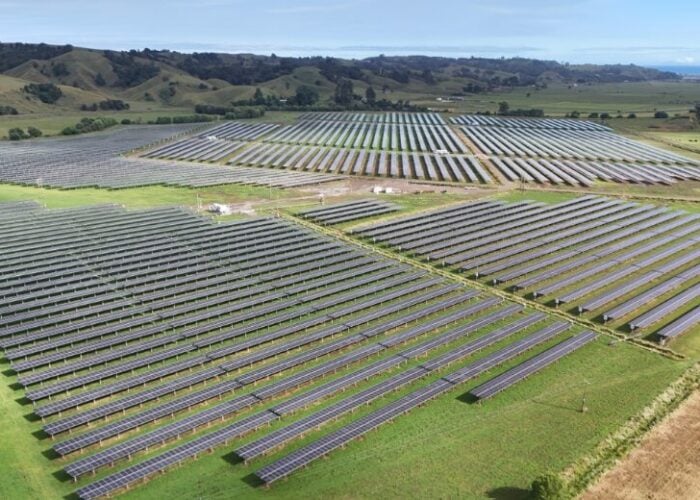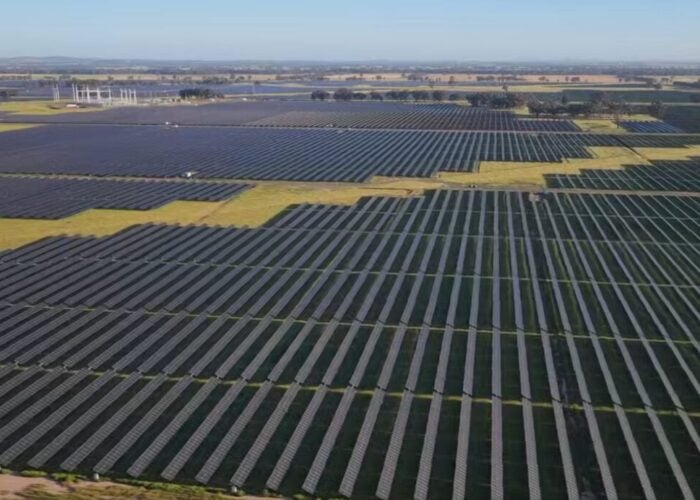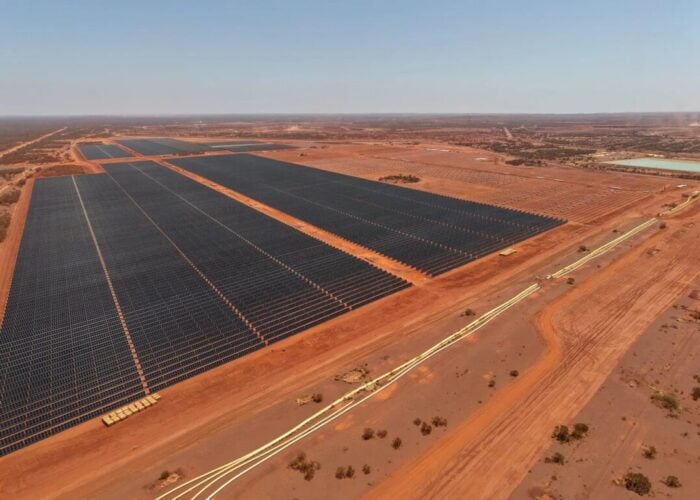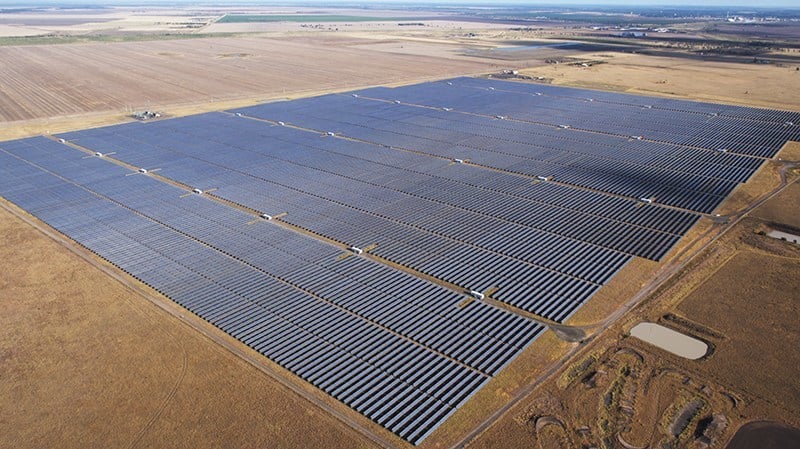
Agreements have been reached to develop a green hydrogen production facility in Western Australia, powered by a 900MW solar PV plant. The project will produce hydrogen and ammonia for domestic use, as well as to be exported to Asia and Europe.
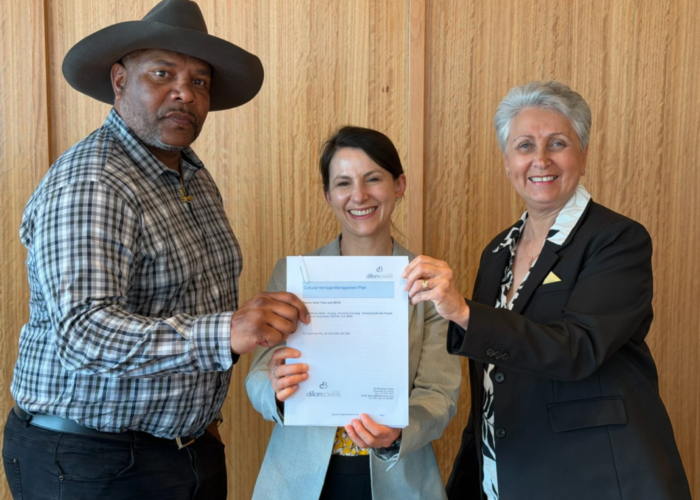
The Aboriginal Clean Energy (ACE) Partnership was established to design, develop and manage the project by indigenous organisations the MG Corporation, Balanggarra Ventures, Kimberley Land Council and climate change investment firm Pollination. The partnership said that it could feasibly begin construction by late 2025, with first production by the end of 2028.
Try Premium for just $1
- Full premium access for the first month at only $1
- Converts to an annual rate after 30 days unless cancelled
- Cancel anytime during the trial period
Premium Benefits
- Expert industry analysis and interviews
- Digital access to PV Tech Power journal
- Exclusive event discounts
Or get the full Premium subscription right away
Or continue reading this article for free
The solar farm will be Australia’s ‘largest’ greenfield PV development, Pollination said in a press release, and will power the conversion of water from the neighbouring Lake Argyle into green hydrogen to be shipped via a new 120-kilometre pipeline to the Port of Wyndham for exporting. Green ammonia produced at the plant will be used for domestic agriculture as well as being exported.
Technology or supply agreements for the solar project are yet to be disclosed.
“The main requirements for green hydrogen production are clean water, sunlight and renewable energy sources and all are abundantly available in this project,” said head of projects at Pollination, Rob Grant.
The project will be developed on MG Corporation freehold land near Kununurra, Western Australia, and allows for “an integrated development process for heritage, native title, environmental and engineering approvals using true co-design and co-decision making from the partnership’s shareholders”, a press release said.
MG Corporation executive chair, Lawford Benning, said: “A focus on First Nations economic empowerment has led groups like ours to reject the historic passive engagement model of receiving royalties for agreeing to give up control of our lands. This project gives us a chance to be active shareholders, understand the risks and rewards, and make informed decisions about long-term strategic projects in our country. Anything we do must be sustainable, intergenerational and connect culture and heritage.”
In 2021, plans were announced for a mammoth green hydrogen hub in Western Australia, the Western Green Energy Hub (WGEH), which has the potential to deploy up to 50GW of solar and wind assets.