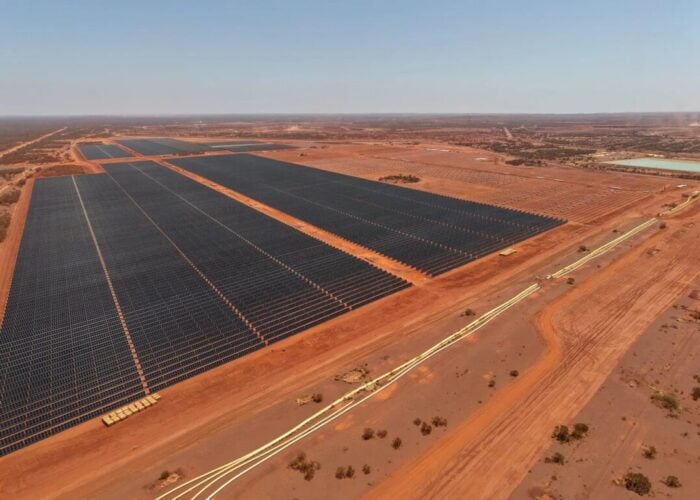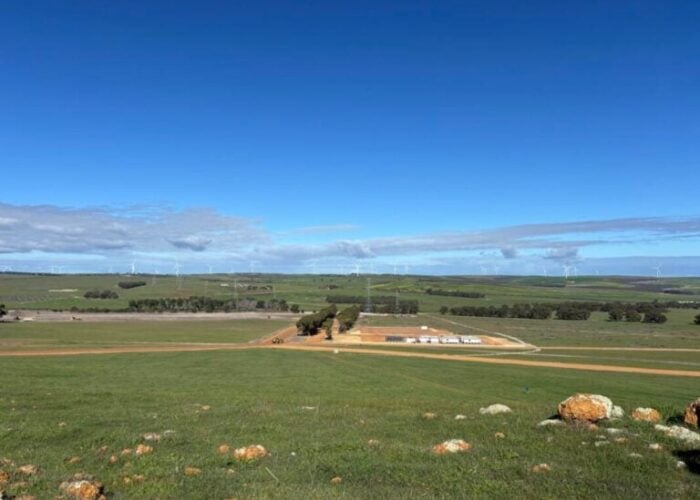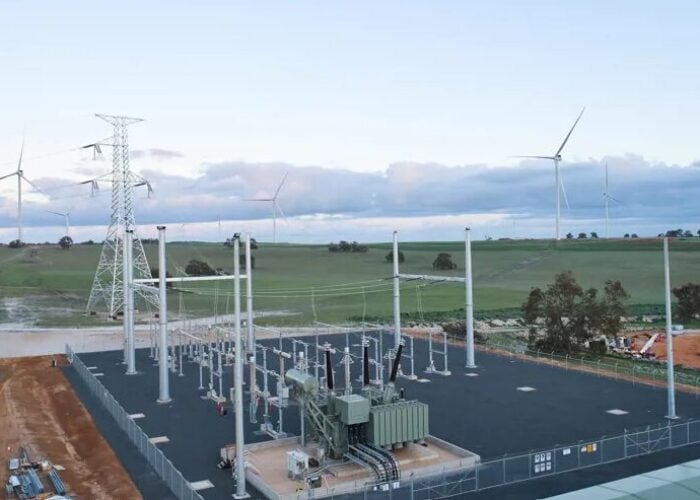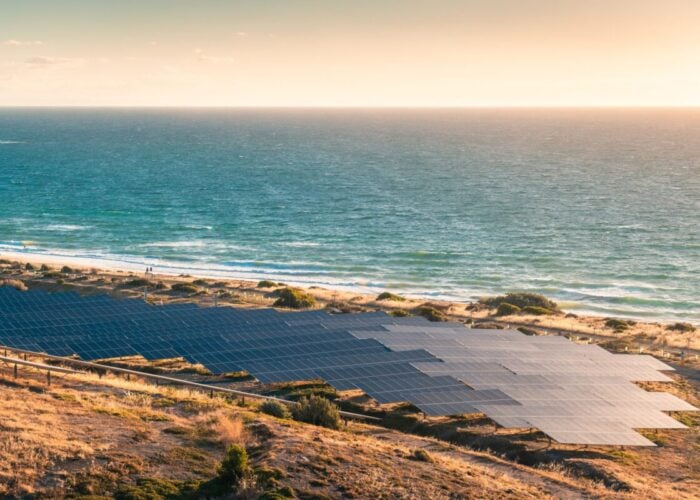
A renewable energy hub consisting of up to 50GW of solar and wind generation for the production of green hydrogen is being planned for Western Australia.
The mega project has been proposed by a consortium including Hong Kong-based InterContinental Energy and renewables developer CWP Global, companies that are also behind the 26GW Asian Renewable Energy Hub that was last month rejected by Australia’s federal government due to its environmental impacts.
Try Premium for just $1
- Full premium access for the first month at only $1
- Converts to an annual rate after 30 days unless cancelled
- Cancel anytime during the trial period
Premium Benefits
- Expert industry analysis and interviews
- Digital access to PV Tech Power journal
- Exclusive event discounts
Or get the full Premium subscription right away
Or continue reading this article for free
Dubbed the Western Green Energy Hub (WGEH), the new project would be built in the south-east of Western Australia over 15,000 square kilometres, an area larger than Northern Ireland or the US state of Connecticut. According to the consortium, the region has an optimal diurnal profile for renewables, with consistently high levels of solar and wind energy.
The hub would be built in phases to eventually produce up to 3.5 million tonnes of zero-carbon green hydrogen or 20 million tonnes of green ammonia each year, which would be provided both domestically and internationally.
It is expected that green fuels produced at the site would meet future demand from multiple sectors, including in co-firing in power generation, shipping, heavy industry such as steel, chemicals and mining, as well as the aviation sector.
Mirning Green Energy, a wholly owned subsidiary of the Mirning Traditional Lands Aboriginal Corporation, will have a “meaningful carried equity stake” in the project and a permanent seat on the WGEH consortium Board.
WGEH chairman Brendan Hammond said the hub is “historic on two fronts” due to its scale to deliver green fuels globally as well as its partnership with the Mirning People, the original owners of the land.
The project would cost up to AU$100 billion (US$74.8 billion), according to local newspaper the West Australian, which said the proponents have secured a licence from the state government to complete site surveys.
While the consortium behind the Asian Renewable Energy Hub received environmental approval from the Western Australia government last year, federal Environment Minister Sussan Ley ruled last month that the project “will have clearly unacceptable impacts” on wetlands and migratory bird species. Following that rejection, the consortium said it is now working to understand the federal environment ministry’s concerns as it works on the design and engineering aspects of the project.
Another green hydrogen hub in Western Australia secured the backing of Danish investment firm Copenhagen Infrastructure Partners last year. Called the Murchison Renewable Hydrogen Project, that site would feature up to 5GW of solar PV and wind generation.
Elsewhere, German Developer Svevind Energy last month signed a memorandum of understanding with the government of Kazakhstan for a green hydrogen hub that would feature a total of 45GW of solar and wind.