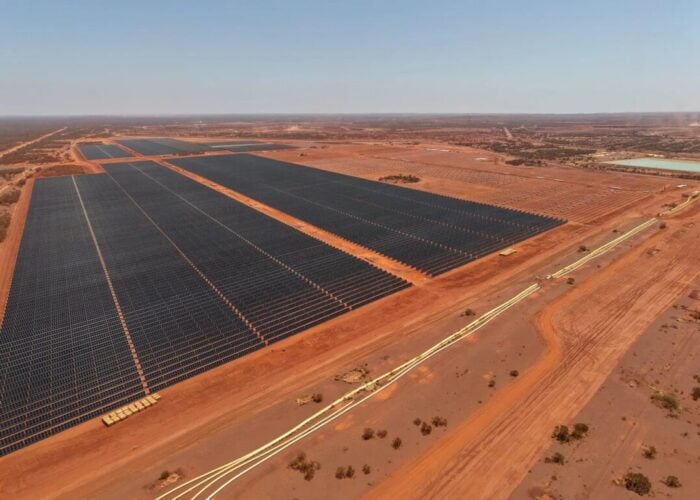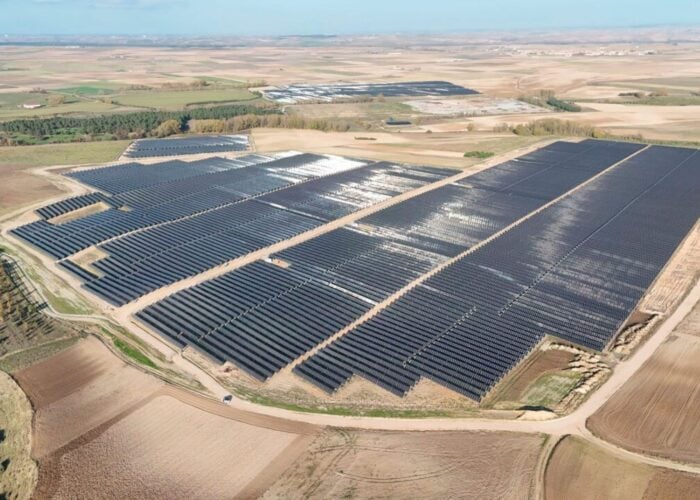
Renewable energy developer Acen Australia has submitted the scoping report for its 100MW solar-plus-storage project in New South Wales.
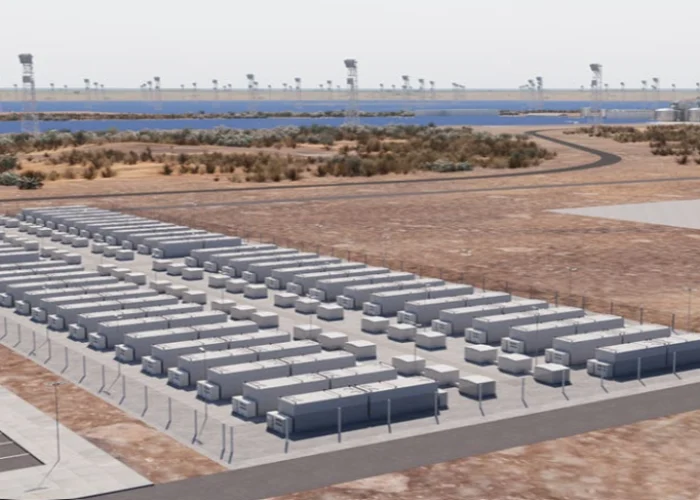
The Cooma Solar and Battery project will combine 100MW of solar generation with 80MW of co-located battery energy storage, which is expected to be between two to four hours in duration.
Try Premium for just $1
- Full premium access for the first month at only $1
- Converts to an annual rate after 30 days unless cancelled
- Cancel anytime during the trial period
Premium Benefits
- Expert industry analysis and interviews
- Digital access to PV Tech Power journal
- Exclusive event discounts
Or get the full Premium subscription right away
Or continue reading this article for free
The scoping report, which represents the initial phase of the planning approvals process, has been submitted to the New South Wales Department of Planning, Housing and Infrastructure.
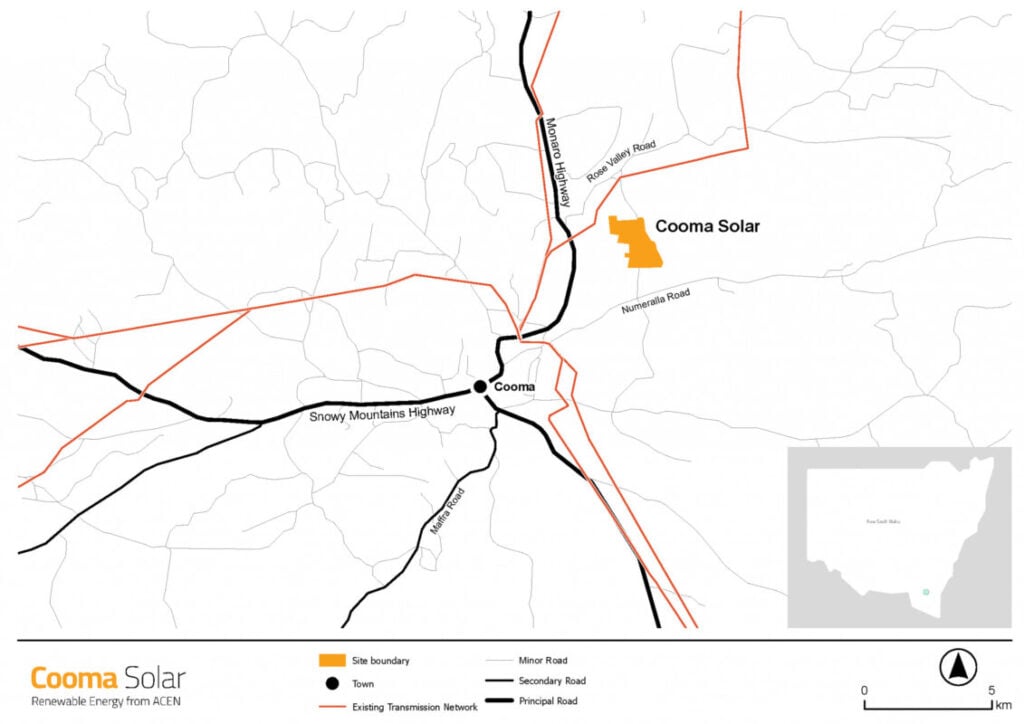
Acen’s Cooma project is located in Bunyan, in the New South Wales region of Snowy Monaro, 7km north of the township of Cooma. It will connect to the existing electricity network infrastructure via a TransGrid 132kV line to the west of the site. The project is around 120km south of Canberra.
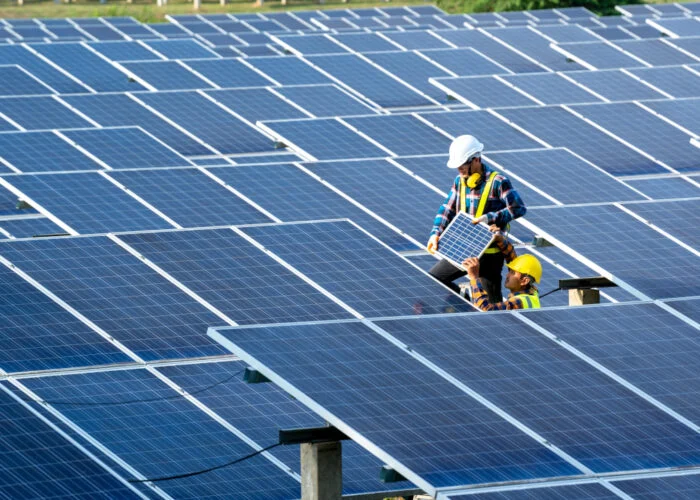
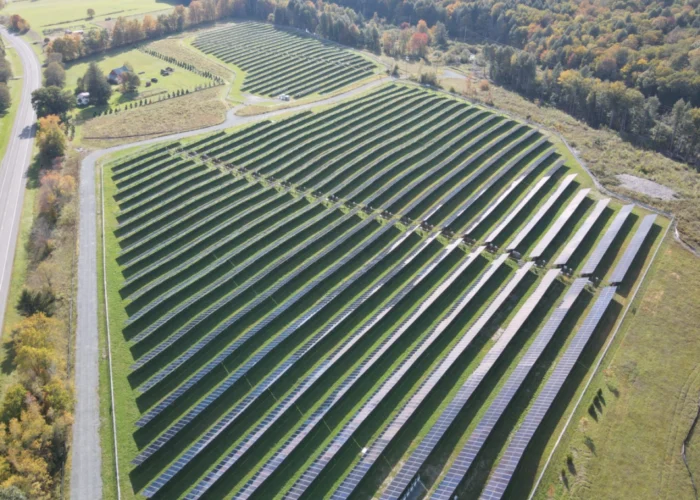
It will comprise around 200,000 solar PV modules using a single-axis tracker racking system. However, this number has not been finalised. The maximum height of the PV modules is anticipated to be up to 2.5m in a one-panel configuration or up to 5m above ground level in a dual-panel configuration. The panel height is dependent on the technology type which is also yet to be finalised.
Once operational, the project will ensure enough space for sheep to graze under and between the panels, continuing the region’s close agricultural connection with the land. Acen said the cost of the project could easily exceed AU$30 million (US$20 million).
The Department will now review the scoping report to prepare and issue its secretary’s environmental assessment requirements (SEARs) for the project. The SEARs will outline the issues that need to be addressed in the environmental impact statement (EIS) for the project. The EIS will include an analysis of the proposed project’s environmental, social, and other impacts and outline mitigation measures.
Acen anticipates it will submit the EIS in early 2025, pending the receipt of SEARs.
The project is expected to contribute to achieving Australia’s legislated target of reaching 82% renewable energy in the electricity mix by 2030, which the Clean Energy Council said was in doubt in early June.
Cooma adds to Acen Australia’s growing solar pipeline
At the time of writing, Acen Australia has a development pipeline worth around 13GW in large-scale renewable energy projects. This is spread across solar, wind, battery and pumped hydro energy storage projects.
Last year, PV Tech reported that Acen had started operating the first phase of its 936MWdc New England solar project in New South Wales.
In January 2023, ACEN Australia awarded the engineering, procurement and construction (EPC) contract for its 400MWac Stubbo solar farm to US company PCL Construction. PCL was responsible for handling ongoing operations and maintenance of the project for the first two years of its lifespan.