APS first non-California utility to surpass 1GW of solar capacity

Facebook
Twitter
LinkedIn
Reddit
Email
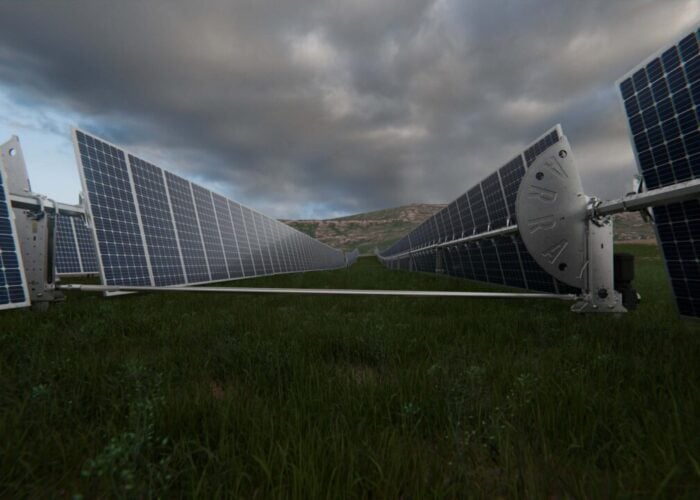
Despite having one of the nation's most substantial renewable energy portfolios, APS has been under fire for its approach to solar; submitting proposals to initiate demand charges and to eliminate net metering. Source: Arizona Public Service.

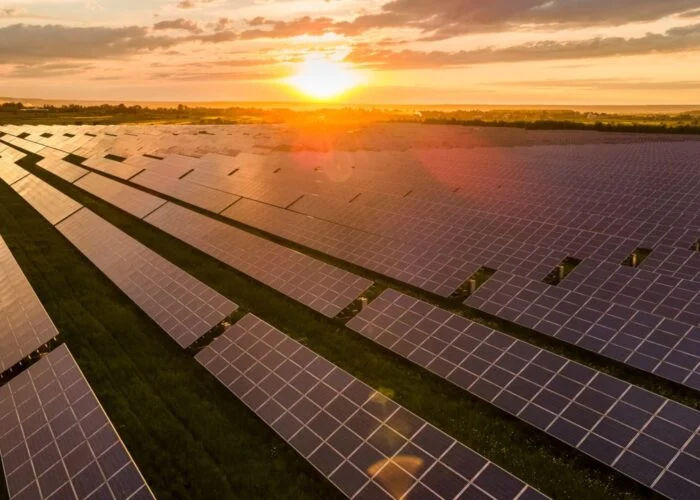
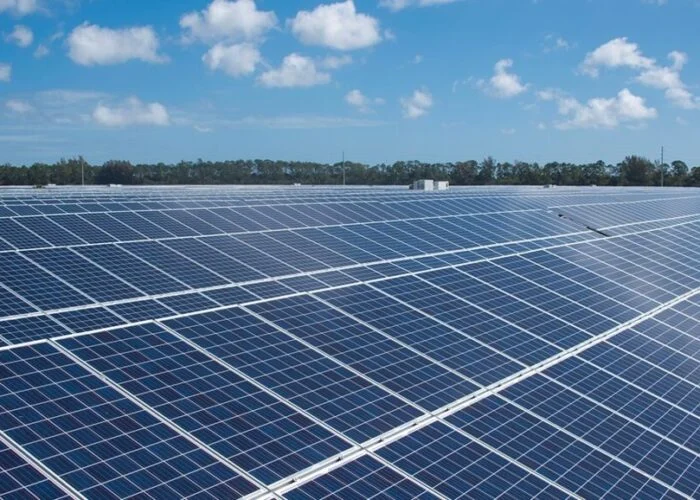
Fair-weather solar advocate Arizona Public Service (APS), has become the first utility outside of California to surpass 1GW of solar energy capacity, reaching the milestone this summer.

The utility’s total investment in solar is currently around US$2 billion, with its portfolio divided almost equally between grid-scale plants and rooftop systems.

This article requires Premium SubscriptionBasic (FREE) Subscription

Try Premium for just $1

  • Full premium access for the first month at only $1
  • Converts to an annual rate after 30 days unless cancelled
  • Cancel anytime during the trial period

Premium Benefits

  • Expert industry analysis and interviews
  • Digital access to PV Tech Power journal
  • Exclusive event discounts

Or get the full Premium subscription right away

Or continue reading this article for free

Whilst APS does in fact own and operate nine solar plants across Arizona, that generate 170MW of capacity, the utility is not the biggest retail solar advocate; previously characterising net metering as outdated and pushing for its eradication in the state. Furthermore, APS is also in the middle of a rate review with the Arizona Corporation Commission (ACC) with proposals including a mandatory demand charge which would result in an average bill increase of 7.96% for residential consumers.

The utility’s proposals were met with disdain across the industry, but are still subject to review by the ACC that is expected to take around a year before a final decision is reached. 

Recently, the Texas Public Utilities Commission (PUC) approved a settlement to drop a mandatory demand charge for solar customers served by El Paso Electric. However, Arizonan public utility Salt River Project was successful in implementing a rate structure that includes a demand charge for solar customers earlier this year. Chicago’s ComEd was unsuccessful in passing a similar proposal. 
13 October 2026
San Francisco Bay Area, USA
PV Tech has been running an annual PV CellTech Conference since 2016. PV CellTech USA, on 13-14 October 2026 is our fourth PV CellTech conference dedicated to solar manufacturing in the USA. From polysilicon, wafers, ingots, cells and modules, to critical component suppliers including glass and frames, the event connects every stage of the value chain under one roof. PV CellTech USA also brings together investors, innovators, manufacturers and industry stakeholders to collaborate and strengthen domestic solar manufacturing across the United States.

Read Next

August 28, 2026
Importing solar modules to the US will “no longer make any economic sense” under new Section 232 tariffs for polysilicon-based products, according to Intertek CEA.
August 28, 2026
Solar cell and module manufacturer Canadian Solar has shipped 3.1GW of modules in the second quarter of 2026, a 60% year-on-year decrease.
Premium
August 28, 2026
Complex site topography can have a crucial bearing on a PV system’s energy yield writes Solargis CEO Marcel Suri.
August 28, 2026
Deep Patel at Gigawatt Inc. writes about the emergence of FEOC restrictions that are reconfiguring the supply chain.
August 28, 2026
Hawke's Bay Airport has opened an EOI process for the delivery & co-investment partners for a proposed 12-17MW solar PV plant in New Zealand.
August 27, 2026
US- and Canada-based PV module producer Heliene is among the companies trialling a new American-made solar glass currently being tested for sale in the US market.

Upcoming Events

Solar Media Events
October 13, 2026
San Francisco Bay Area, USA
Solar Media Events
November 3, 2026
Málaga, Spain
Solar Media Events
November 24, 2026
Warsaw, Poland
Solar Media Events
February 2, 2027
London, UK