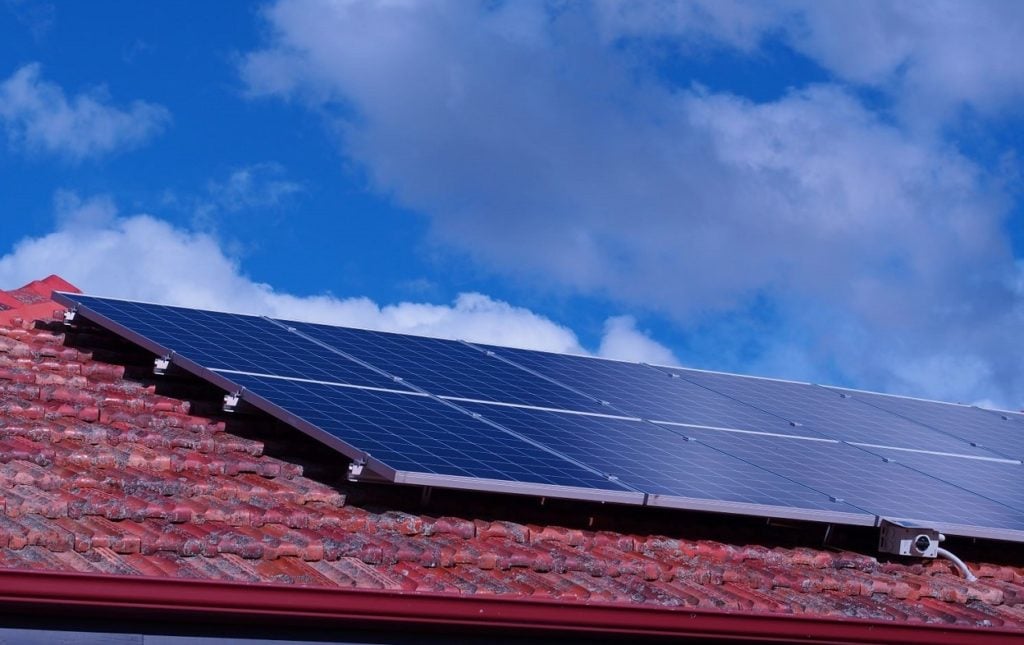
Australia beat renewable energy deployment projections in 2020, driven in part by a 40% year-on-year increase in rooftop solar installs, according to new figures from the country’s Clean Energy Regulator.
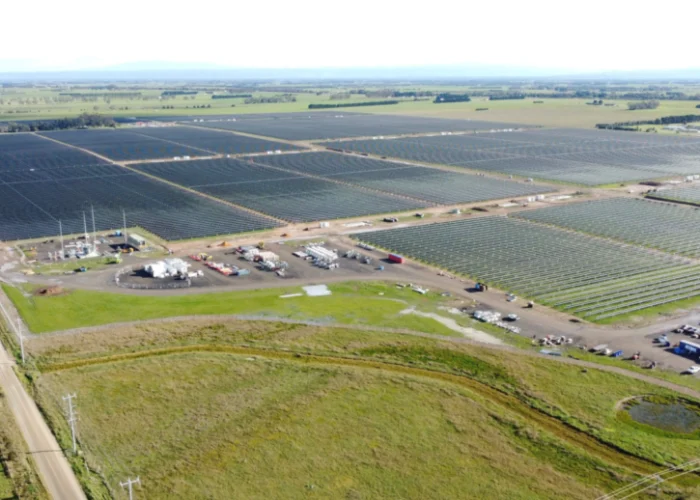
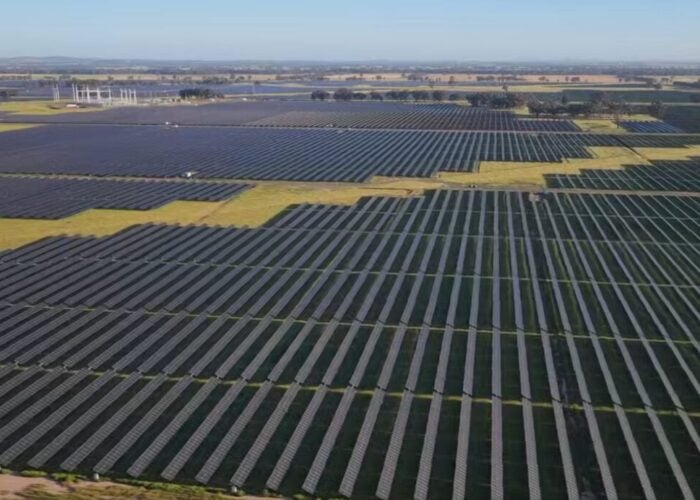
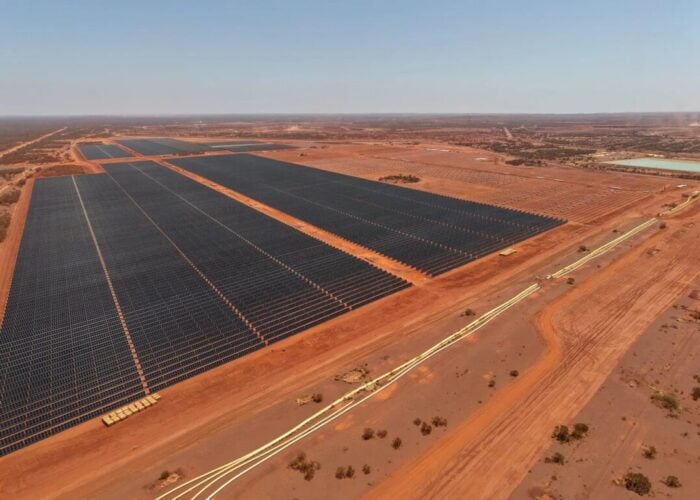
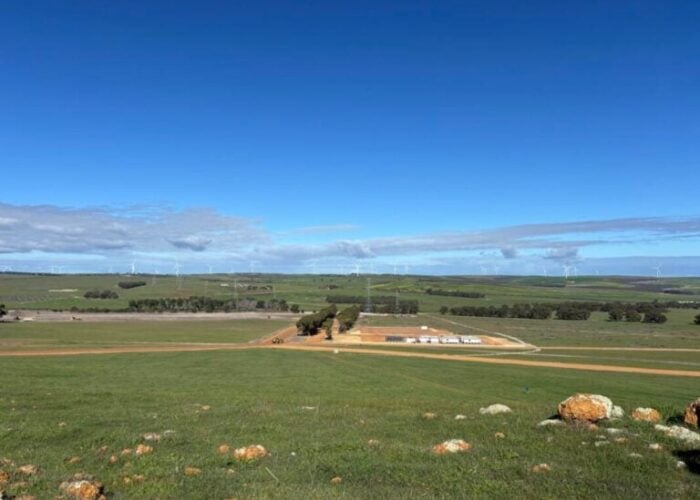
The 7GW of new renewables capacity exceeded the regulator’s 6.3GW estimate for the year and was boosted by several utility-scale solar and wind projects that started operations sooner than expected.
Try Premium for just $1
- Full premium access for the first month at only $1
- Converts to an annual rate after 30 days unless cancelled
- Cancel anytime during the trial period
Premium Benefits
- Expert industry analysis and interviews
- Digital access to PV Tech Power journal
- Exclusive event discounts
Or get the full Premium subscription right away
Or continue reading this article for free
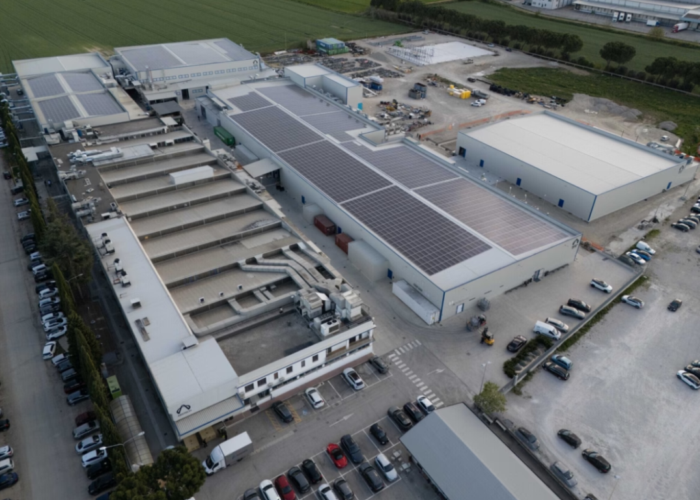
While 4GW of additions were large-scale projects – 1.7GW of solar and 2.3GW of wind – low technology costs and a shift to household spending on home improvements during COVID-19 contributed to the rise in rooftop PV deployments, with 3GW installed during the year.
Reduced operational demand, partly as a result of new rooftop installations, combined with record levels of solar and wind output “significantly displaced” thermal generation in Australia during the fourth quarter, according to the Clean Energy Regulator.
Between 2018 and 2020, Australia added 18.3GW of new renewable capacity, representing an investment of AU$26.5 billion (US$20.5 billion).
“It comes as no surprise that total renewable generation in the National Electricity Market (NEM) has climbed to over 30% at the end of 2020, up 5% compared to the previous year,” said David Parker, chair of the Clean Energy Regulator.
New South Wales was the state with the highest rooftop PV uptake, accounting for 311MW of new capacity in the fourth quarter. In Western Australia, which added 117MW of rooftop PV in Q4, the growth in home solar installations is set to displace coal and utility-scale-scale solar plants, according to an energy roadmap for the state.
With a significant backlog of rooftop installations carried over from 2021, the Clean Energy Regulator predicts that 3GW – 4GW of household and commercial rooftop PV will be deployed this year.
A recent report from Fitch Solutions forecasts an acceleration in Australia’s energy transition, thanks in part to the “rapid progress” the country is making in green hydrogen. The consultancy expects the country’s non-hydropower capacity to make up 30.1% of the country’s total power mix by 2030.