BP has set its sights on amassing a 50GW renewables portfolio by 2030 as it lays out its strategy to become a net zero company.
Along with its Q2 results today, the oil and gas major set out a plan to increase its investment into low carbon generation tenfold. This would see it grow to $5 billion a year, up from $0.5 billion currently with an interim target of $3-4 billion by 2025.
Try Premium for just $1
- Full premium access for the first month at only $1
- Converts to an annual rate after 30 days unless cancelled
- Cancel anytime during the trial period
Premium Benefits
- Expert industry analysis and interviews
- Digital access to PV Tech Power journal
- Exclusive event discounts
Or get the full Premium subscription right away
Or continue reading this article for free
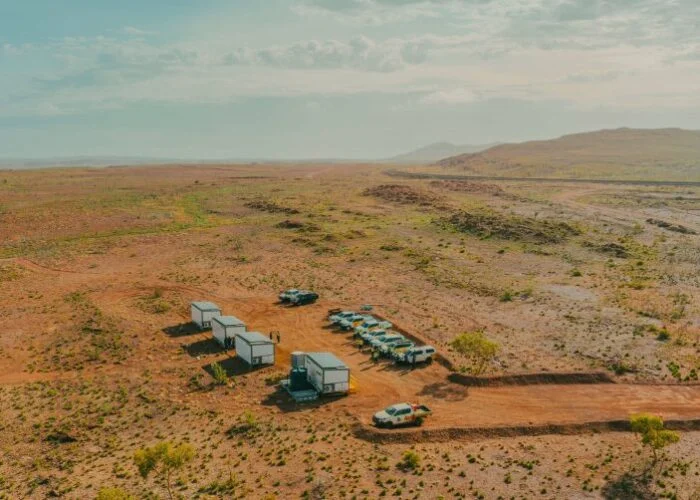
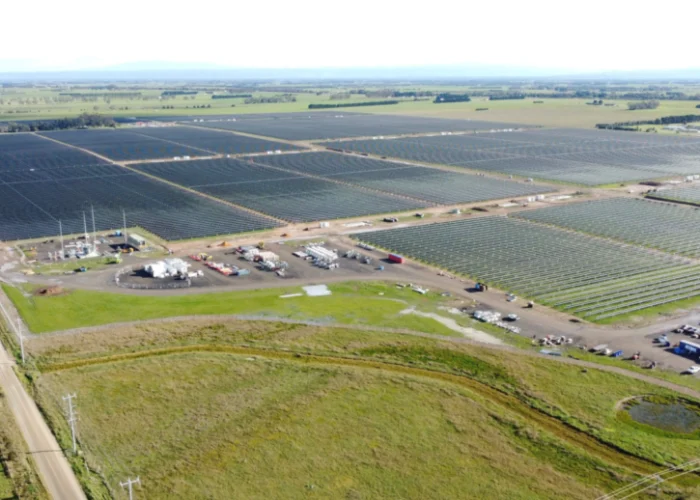
The company’s solar arm, Lightsource BP is currently targeting around 10GW of solar globally by 2023, and today’s announcement could see this jump significantly.
Along with renewables investment, BP is also hoping to place itself at the forefront of the hydrogen sector with a 10% share of core markets and the carbon capture, utilisation and storage (CCUS) sector. Additionally, it is planning to grow it’s bioenergy business from 22,000 b/d in 2019 to more than 100,000 b/d by 2030.
CEO Bernard Looney said the company could bring over 100 years of experience “steeped in the world of energy” to BP's transition from a fossil fuel company to an integrated energy company.
“We understand energy markets deeply, and have developed unique capabilities in trading, marketing, technology and innovation,” he continued. And we are not starting from scratch in this new world.
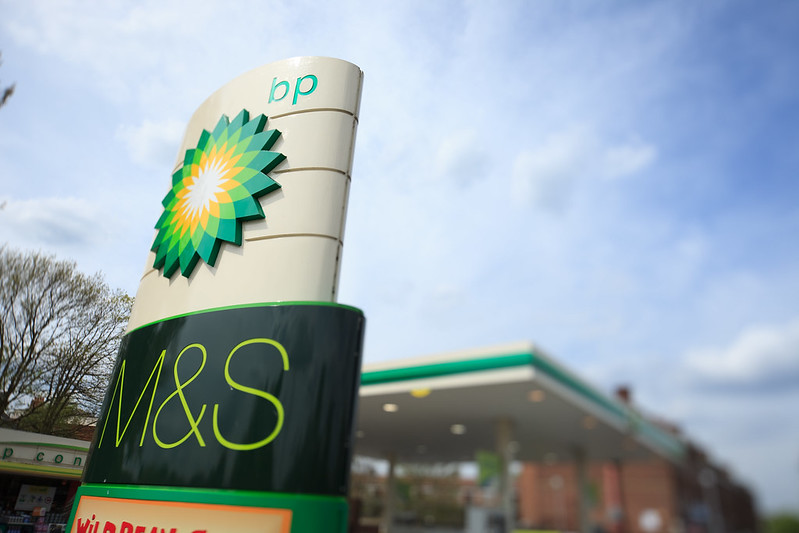
“From our Lightsource bp joint venture – now in 13 countries – to our electric vehicle charging partnership with DiDi in China, and our industry-leading convenience partnerships with M&S in the UK and REWE in Germany – we are already building scale and capability.”
Along with this growth in renewables, the company will reduce its production of oil and gas by 40% by actively managing its portfolio. It has also committed to undertaking no exploration in new countries.
BP’s strategy for net zero were released along with its Q2 results, which saw it’s dividend ‘reset’ at 5.25 cents per share it announced today, down from 10.5 cents/share, and this will stay fixed at this level to help manage the uncertainty created by COVID-19. This marked change is in line with its plan to become more resilient it said, and has committed to returning at least 60% of surplus cash as share buybacks to further support this.
It recorded a loss of $6.7 billion in underlying replacement costs, a dramatic change in comparison to the same period on 2019 when there was a profit of $2.9 billion. This was driven by decarbonisation strategies impact on its price assumptions, along with record low oil and gas prices and dramatic reductions in demand drive by COVID-19.
Its reported loss for the quarter was $16.8 billion, a fall from a profit of $1.8 billion during Q2 2019, again impact by a revision in price impacts as it sets it move away from oil production.
Looney said the results were driven by “another very challenging quarter” as well as the steps the company was taken to “reimagine energy and reinvent bp.”
“Beneath these, however, our performance remained resilient, with good cashflow and – most importantly – safe and reliable operations.”
BP first announced that it would become a net zero company in February, with the newly appointed Looney stating the company would need to “fundamentally reorganise”. The impact of this has already been felt, with actions to become a “leaner, faster-moving and lower carbon company” accelerated due to challenges presented by COVID-19.
Speaking of BP’s dividend, Luke Parker, Wood Mackenzie vice president of Corporate Analysis said: “But if ever there was a moment to reset, this was it. Several factors have converged to make it possible: coronavirus and everything that comes with it; a strategic pivot to net-zero on the horizon; Shell’s dividend reset; a new leadership with credit in the bank. Our view is that BP has taken the prudent course of action.”