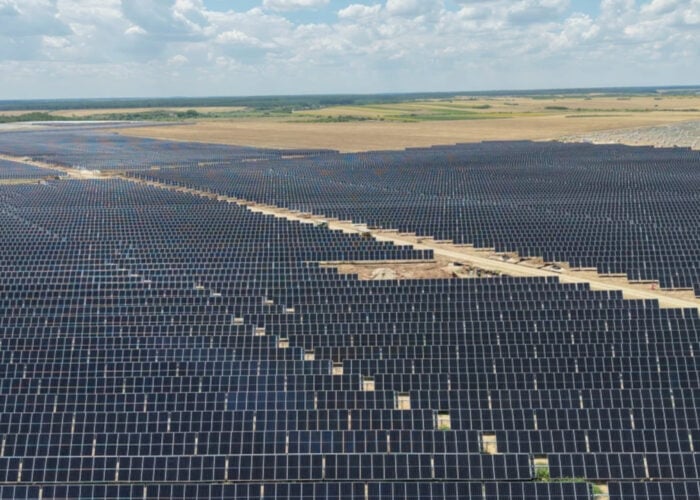
Brazil has released its plans for energy developments for the next ten years, with 3.5GW of solar planned.
Brazil’s Energy Research Company (EPE), a government arm of the Ministry of New and Renewable Energy (MNRE), released the energy expansion plan for up to 2023 last week.
Try Premium for just $1
- Full premium access for the first month at only $1
- Converts to an annual rate after 30 days unless cancelled
- Cancel anytime during the trial period
Premium Benefits
- Expert industry analysis and interviews
- Digital access to PV Tech Power journal
- Exclusive event discounts
Or get the full Premium subscription right away
Or continue reading this article for free
The plan includes solar power projects to be procured in the country’s up-coming auctions. Brazil’s first energy auction is to be held 30 September and is for all energy sources to compete for national tenders. The later A-3 reserve auction in October will include a solar-only category.
The plan says renewables' contribution to the country’s energy mix is to stay at around 42% until 2023 and will account for 11.5% of all newly installed capacity in 2023.
The EPE report also reveals that Brazil expects to be a major producer and exporter of oil, producing 5 million barrels per day and exporting 1.5 million.
Ethanol production is to grow from 28 billion to 48 billion litres in 2023.
Wind installations will amount to 23GW by 2023 and hydro, 28GW, most of which will take place in the Northern region, including the controversial Belo Monte hydro power plant.
There will be 7.5MW of new thermal electric power plants (coal, oil and gas). Non renewable energy sources are to fall by 1%, from the current 17% for 2014, to 16% of generation by 2023.
The energy infrastructure upgrades and new generation will require BR1.26 trillion in investments over the next ten years.
Oil and gas exploration will account for 62% of investments, 24% of investment will go towards the electricity sector, and 14% towards biofuels.
Brazil’s national election is next month, with renewables and energy taking a lead in debates and all of the main candidates specifying renewables as part of policy plans.
Last month Brazil’s national development bank (BNDES) also announced funding conditions for energy auctions to help create a domestic PV production chain to encourage domestic PV manufacturing in Brazil.