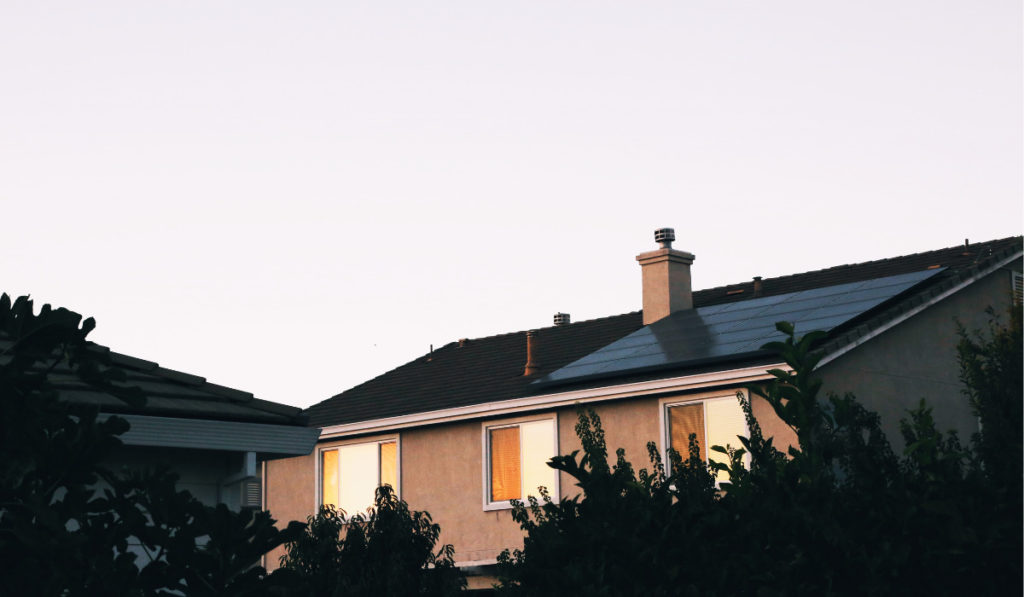
The California Court of Appeals has upheld the state’s ongoing net energy metering programme, NEM3.0, dashing the hopes of campaigners lobbying to reform the unpopular framework.
The decision dealt a “major setback to rooftop solar”, said nonprofit organisation the Environmental Working Group, one of the groups that filed the lawsuit in 2023.
Try Premium for just $1
- Full premium access for the first month at only $1
- Converts to an annual rate after 30 days unless cancelled
- Cancel anytime during the trial period
Premium Benefits
- Expert industry analysis and interviews
- Digital access to PV Tech Power journal
- Exclusive event discounts
Or get the full Premium subscription right away
Or continue reading this article for free
The Center for Biological Diversity and The Protect our Communities Foundation are the two other environmental groups that filed the lawsuits and argued that the new tariff – dubbed net energy metering 3.0 (NEM3.0) – was inconsistent with section 2827.1, which identifies several key objectives that the California Public Utilities Commission (CPUC) must ensure in developing the new tariff programme.
The Court’s decision shuts down the possibility of reforming the current net metering programme, which has been highly criticised by the solar industry since its passing in 2022. NEM3.0 has mostly driven up the adoption energy storage but at the expense of solar PV installations, which halved between Q3 2023 and Q1 2024.
“We are extremely disappointed in the Court of Appeal’s decision on remand from the state Supreme Court. Instead of looking at this case with fresh eyes and doing the due diligence of reading and interpreting the statute, the Court of Appeal rushed to judgement, siding with the pro-utility CPUC and its utility allies,” said Bernadette Del Chiaro, senior vice president for California at Environmental Working Group.
Court of Appeals reaffirms original decision
This decision from the Court of Appeals comes after the California Supreme Court had sided with the three groups in August 2025, and remanded the matter back to the California Court of Appeals, which reaffirmed its original decision.
“In sum, we conclude the Commission did not fail to proceed in the manner required by section 2827.1(b)(1) or otherwise err when it adopted the successor tariff,” wrote the California Court of Appeals.
Section 2827.1(b)(1) refers to the fact that the CPUC must “include specific alternatives designed for growth among residential customers in disadvantaged communities” when developing the successor tariff.
The court also concluded with the same statement for section 2827.1(b)(3), which is related to ensuring that the new programme is “based on the costs and benefits of the renewable electrical generation facility”.
“We may have just set the clocks forward an hour but this decision sets California back a decade when it comes to building a clean energy future. It isn’t just Washington, D.C., setting us back on energy affordability and reliability. California is providing more than its fair share of unforced errors,” added Del Chiaro.
The Court of Appeal’s conclusion can be accessed here.