Multinational solar manufacturer Canadian Solar will assume direct control of its US solar PV and energy storage manufacturing operations, in a strategic move which may reduce its supply chain risks.
In an announcement today, the company said it would establish joint ventures (JV) with its majority-owned manufacturing subsidiary, CSI Solar, and other US shareholders to take ownership of its US facilities through a new entity, CS PowerTech.
Try Premium for just $1
- Full premium access for the first month at only $1
- Converts to an annual rate after 30 days unless cancelled
- Cancel anytime during the trial period
Premium Benefits
- Expert industry analysis and interviews
- Digital access to PV Tech Power journal
- Exclusive event discounts
Or get the full Premium subscription right away
Or continue reading this article for free
Canadian Solar will hold a 75.1% stake in the new venture, which will operate its US solar PV cell and module and planned energy storage system manufacturing operations.
The parent company will also acquire a majority 75.1% ownership of “certain overseas facilities that support US operations” from CSI Solar. It said the total consideration for these assets is expected to be around US$50 million.
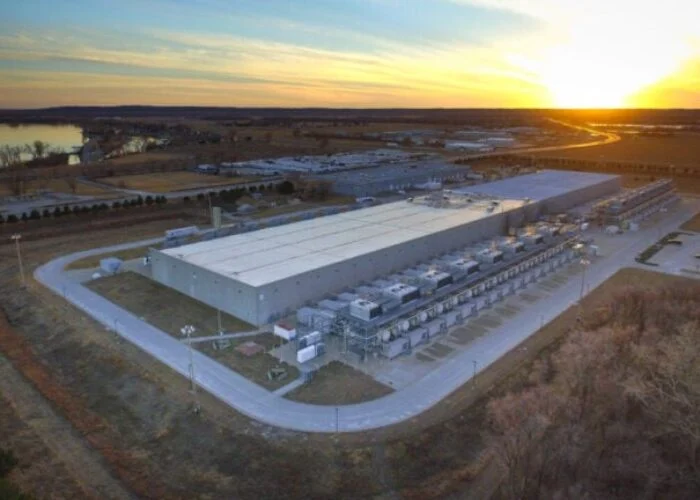
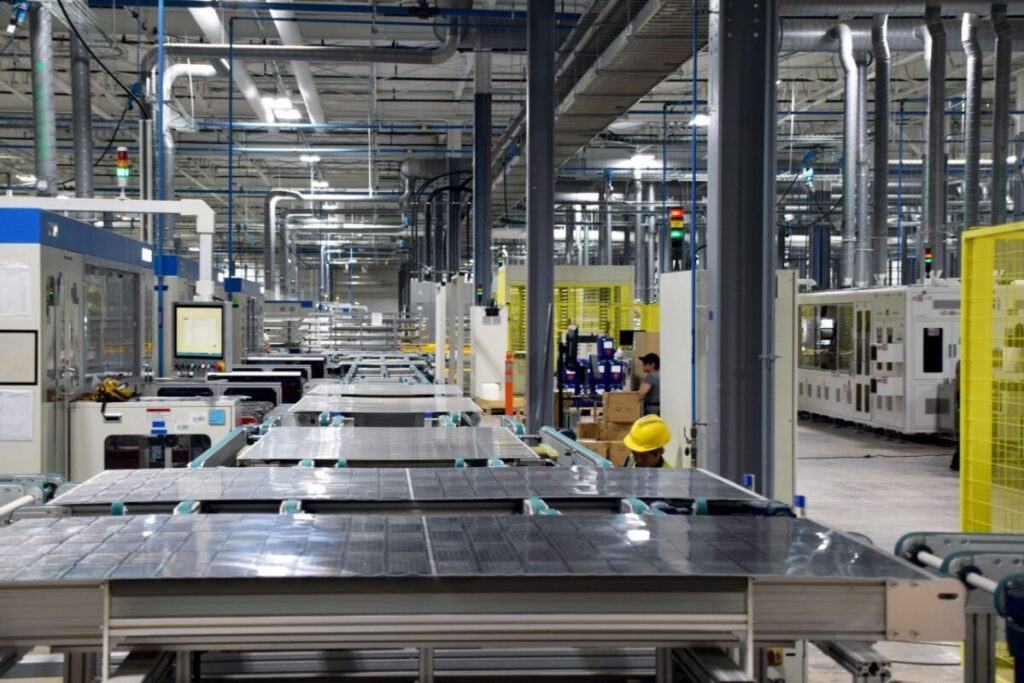
Canadian Solar currently operates a module assembly facility in Mesquite, Texas, and is planning to bring a solar cell facility in Indiana and a lithium battery factory in Kentucky online by the end of next year. It is likely that these are the facilities in question in this asset shift. It is not clear which overseas facilities it plans to take control of, with solar PV and BESS factories in Southeast Asia, China and Brazil.
Back in Q1, CSI Solar said it would consider “relocating” some of its manufacturing facilities to “low-tariff regions” to avoid import duties on products entering the US. After Canadian Solar’s announcement today, the parent company’s share price increased and CSI Solar’s fell.
In a public statement, the company said the move “reflects Canadian Solar’s commitment to its North American homebase and to building a resilient, transparent, and diversified domestic supply chain.”
However, the move has a strategic angle too. Shifting its assets to North American ownership and away from the company’s significant presence in China will likely position Canadian Solar well in the US solar market.
While headquartered in Kitchener, Ontario, Canada and listed on the NASDAQ stock exchange, Canadian Solar has a large operational presence in China, which could see it fall foul of the US’ growing thicket of trade protections targeting Chinese and Chinese-backed goods and companies. PV Tech has previously heard criticisms of the company’s “Canadian” branding, given the extent of its operations and exposure in China.
Earlier this year, the US government introduced Foreign Entity of Concern (FEOC) restrictions on solar and energy storage products linked with China. These preclude any project using FEOC components from receiving the legacy tax credits still available under the Inflation Reduction Act (IRA). Canadian Solar’s move is likely designed to reduce its exposure to these FEOC rules.
As well as FEOC, importers of solar and energy storage products to the US face the Uyghur Forced Labor Prevention Act (UFLPA) and uncertainties over antidumping and countervailing duty (AD/CVD) tariffs on a range of countries, as well as the president’s “reciprocal” global tariff scheme. Bringing more of its assets under the direct ownership of its Ontario headquarters could benefit Canadian Solar’s prospects in the US.
Various players in the US market have either sold facilities or licensed them to other companies in order to reduce Chinese influence. T1 Energy acquired a module manufacturing facility in Dallas from Chinese solar PV giant Trina Solar, with which it has signed technology licensing agreements. JA Solar also sold its module assembly facility to US materials manufacturer Corning.