GTM Research's Nicole Litvak discusses with PV Tech the reasons why the commercial market has remained fairly stagnant and unconsolidated in sharp contrast to the country's booming residential sector.
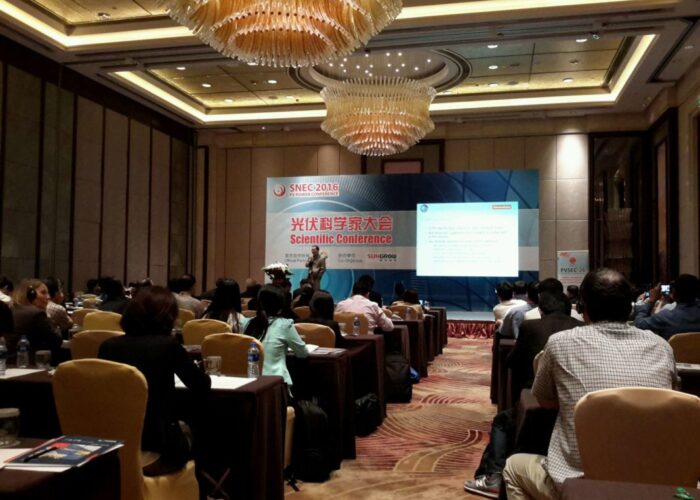
In the second and final installment of his blog from SNEC in China, Finlay Colville continues to extrapolate a snapshot of the global PV industry from what he saw there and how it all fits into wider trends and realities of the market today.
Solar Intelligence analyst Finlay Colville reports back from SNEC in Shanghai, which finished yesterday. In the first installment of a two-part blog, he draws on his extensive knowledge and analysis of the global PV market to put his findings into the context of wider trends.
Everyone in the industry knows the price of solar continues to fall in most global sectors, inching closer to – or reaching – parity with other energy sources, both renewable and carbonaceous. But when a well-respected market researcher says prices are falling in real time in some regions, that attention-grabbing statement is not something one usually hears in any timeline.
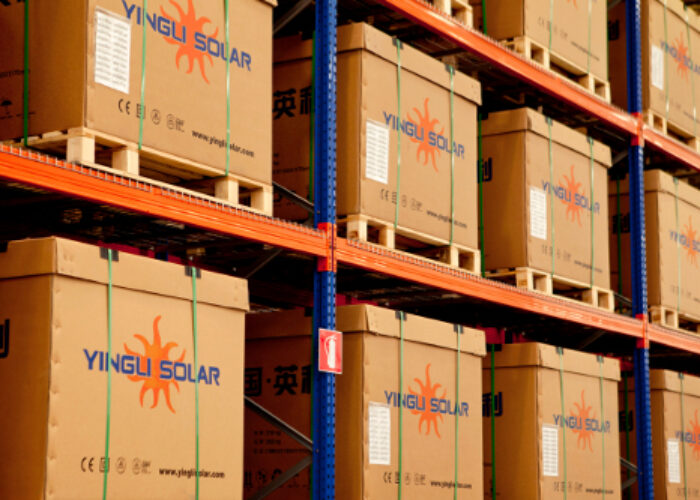
It was a long time coming but on Monday evening, Yingli released its annual report. Financials had been released separately at the tail end of last week offering some insight to the company’s fortunes as it looks to navigate an extremely tricky cashflow situation.
‘Silicon Module Super League’ (SMSL) member Canadian Solar has made further revisions to its planned manufacturing capacity expansion plans for 2016, while reiterating previously guided PV module shipments for the year.
By Jasmeet Khurana, associate director, consulting, Bridge to India
Grid curtailment of solar power is already affecting Germany and China despite billions being spent on grid projects. With a target of 100GW, India is hoping to get 8% of its power requirements from solar PV by 2022, which is a higher penetration than both Germany and China today. Jasmeet Khurana, associate director, consulting, Bridge to India, investigates the potential for future curtailment of solar power in India and its consequences while identifying which states might be most affected.
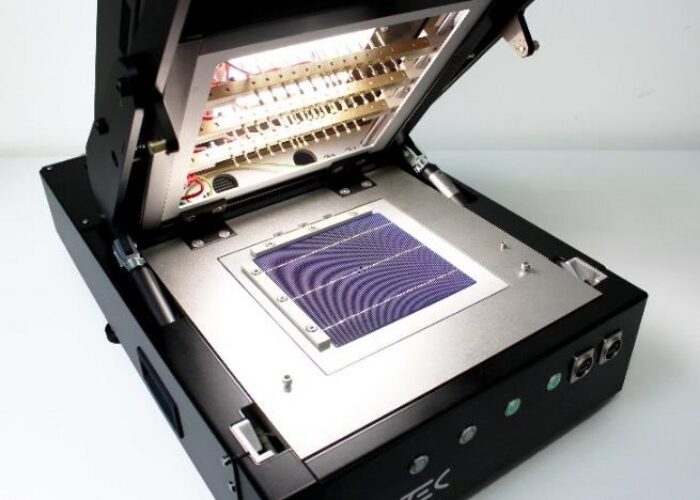
LayTec has introduced the first commercially available system for simulation and monitoring of LID (Light Induced Degredation). ‘LID Scope’ is a table-top system that helps to quantify the expected performance loss of any solar cell directly at the production line or in the lab. The tool performs accelerated or real-life degradation tests fully automatically. It is claimed to deliver highly reproducible results and a permanent monitoring of Voc changes by integrated metrology.