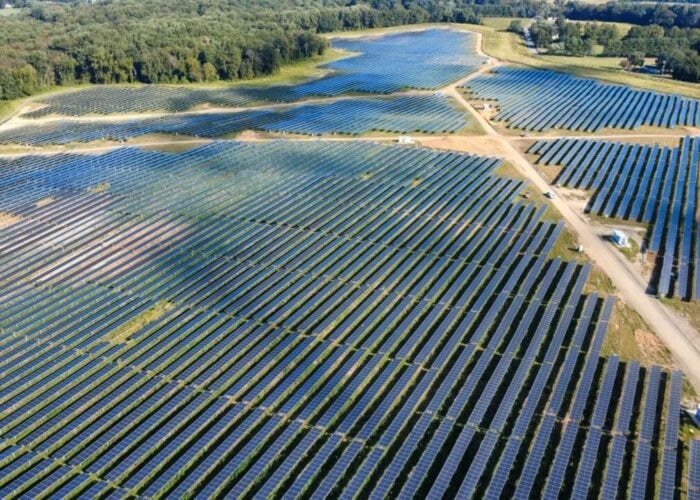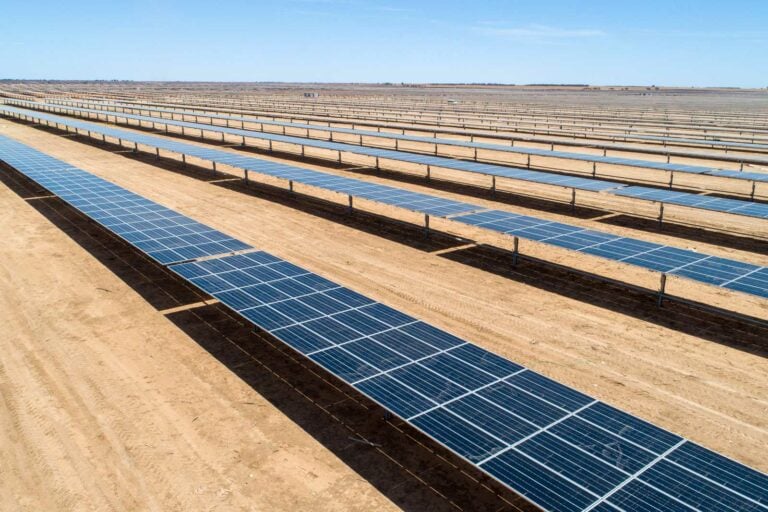
Australia’s Clean Energy Council has signaled today (7 June) that Q1 2024 saw signs of recovery for the nation’s renewable energy generation sector but warned that investment levels must radically increase to achieve 2030 decarbonisation targets.
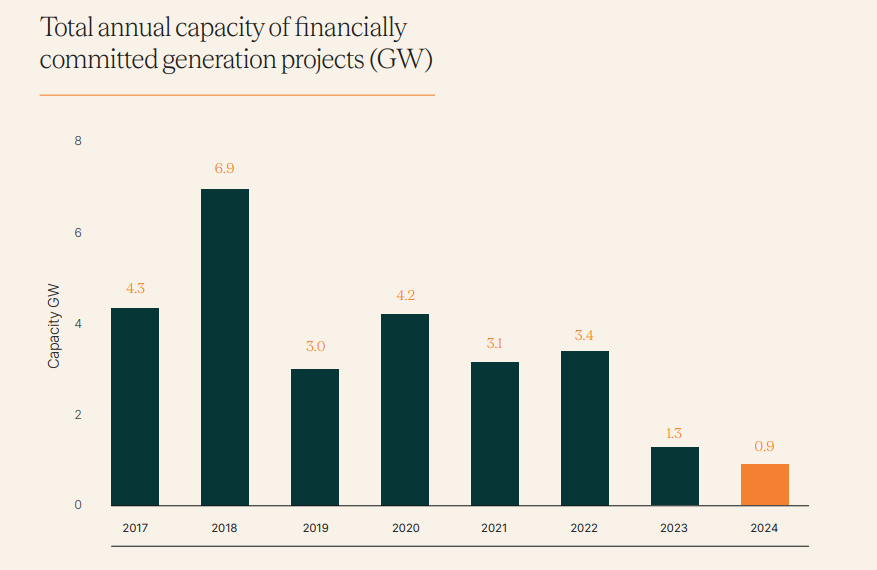
After some of the lows witnessed across 2023, the organisation’s Renewable Projects Quarterly Report for Q1 2024 signaled that electricity generation projects bounced back, with five projects totaling 895MW of capacity reaching financial commitment – the best quarter since the end of 2022.
Try Premium for just $1
- Full premium access for the first month at only $1
- Converts to an annual rate after 30 days unless cancelled
- Cancel anytime during the trial period
Premium Benefits
- Expert industry analysis and interviews
- Digital access to PV Tech Power journal
- Exclusive event discounts
Or get the full Premium subscription right away
Or continue reading this article for free
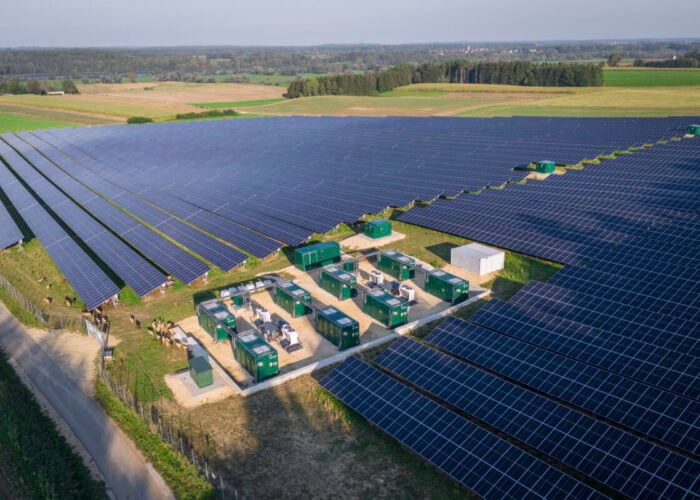
Of the five projects, two were solar farms: the 94MW Gunsynd Solar Farm, owned by infrastructure developer Metis Energy, in Queensland, and the 77MW St Ives Renewables Project, a solar and wind hybrid project owned by Gold Fields in Western Australia.
Elsewhere, there were positives related to solar farms being connected to the grid and entering the construction phase of the project pipeline. In total, 255MW of new installed capacity was added to the grid and AU$800 million (US$533 million) worth of investment.
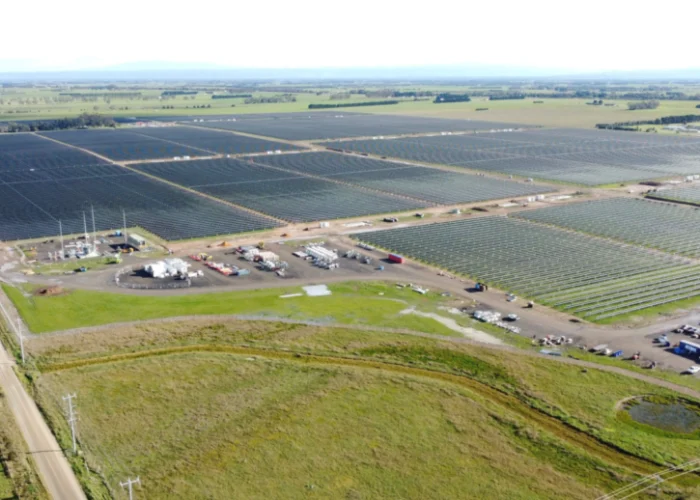
These projects were the 125MW Amazon Solar Project (Wandoan) in Queensland and the 130MW Glenrowan Solar Farm in Victoria. Meanwhile, one energy storage project, the Bouldercombe Battery Project, worth 50 MW/100 MWh, reached commissioning.
Construction also started on 470MW of generation projects in Q1 2024, with the sole solar contributor being the 56MW Mokoan Solar Farm in Victoria, being developed by European Energy.
It’s important to note that there are currently 121 generation and energy storage projects that have either secured financial commitment or are currently under construction. This represents 12.3GW of electricity generation capacity and 8.4 GW/18.8GWh of energy storage projects.
Kane Thornton, chief executive of the Clean Energy Council, highlighted the “encouraging signs” of the Australian renewable market moving in a positive direction and on a “road to recovery” aided by landmark commitments by the Federal government.
“Landmark commitments made by the Federal government in recent months have been designed to build certainty for renewable energy investors, which we expect will drive a resurgence for the large-scale generation we need,” Thornton said.
“These results are an encouraging sign that Australia’s clean energy transformation is moving in a positive direction and on the road to recovery.”
Generation project investment prompts concerns
The Clean Energy Council’s report also indicated that investment in new large-scale renewable generation projects, reaching financial commitment in Q1, reached AU$1.1 billion for the second quarter in a row.
According to the trade association, this marks a “significant improvement” compared to last year’s final quarter, when not a single generation project reached financial commitment. However, levels of investment are still markedly below where they need to be on a 12-month quarterly average (79%), and thus, further investment must be delivered for Australia to attain its 82% renewables by 2030 target.
Energy storage breaks records after another strong quarter
Energy storage saw a fourth consecutive quarter in which projects secured financial investment commitments of over AU$1 billion. According to the report, four storage projects, representing 760MW/1,640MWh, received a financial commitment.
The largest of these projects was the 300MW/650MWh Mortlake Power Station Battery in Victoria, which Australian generator-retailer Origin Energy is set to develop. The 100MW/200MWh Mannum Battery Energy Storage System and the 110MW/290MWh Templers Battery Energy Storage System in South Australia also reached financial commitment.
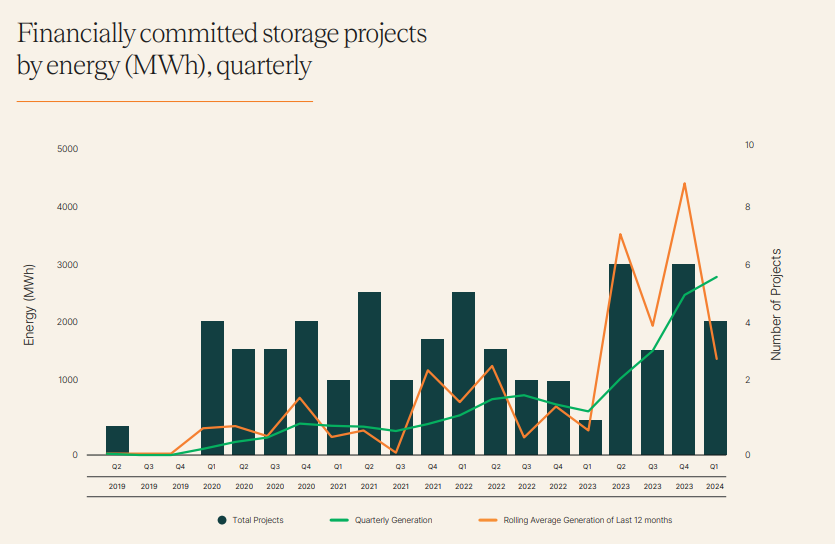
Two energy storage projects also commenced construction in Q1 2024. These include Synergy’s 500MW/2,000MWh Collie Battery Energy Storage System in Western Australia and the 250MW/500MWh Swanbank Battery in Queensland.
Meanwhile, the 50MW/100MWh Bouldercombe Battery was the one storage project which reached commissioning in Q1.
Commenting on the energy storage results, Thornton said: “Investment in large-scale storage continues to be very strong, following a record year in 2023. It is abundantly clear that renewables firmed by storage are the future of Australia’s energy system and investors have a strong appetite for new energy storage projects.”