Kerala’s renewable energy industry could be severely affected if measures to halt the coronavirus pandemic continue beyond three months, according to an association in the South Indian state, which is now one of India’s COVID-19 hotspots.
Subsidies, supply chains reliant on China, and the financial performance of the industry will all be hit by the fallout from the virus, according to a report given to PV Tech by C.M. Varghese and G. Sivaramakrishnan, respectively the secretary and joint secretary of Kerala Renewable Energy Entrepreneurs & Promoters Association (KREEPA), a body made up mostly of micro, small and medium enterprises (MSMEs) in the solar space.
Try Premium for just $1
- Full premium access for the first month at only $1
- Converts to an annual rate after 30 days unless cancelled
- Cancel anytime during the trial period
Premium Benefits
- Expert industry analysis and interviews
- Digital access to PV Tech Power journal
- Exclusive event discounts
Or get the full Premium subscription right away
Or continue reading this article for free
Kerala had more than 240 cases of coronavirus on Wednesday (1 April 2020) according to a report by the Hindustan Times, with the virus spreading while the country enters lockdown.
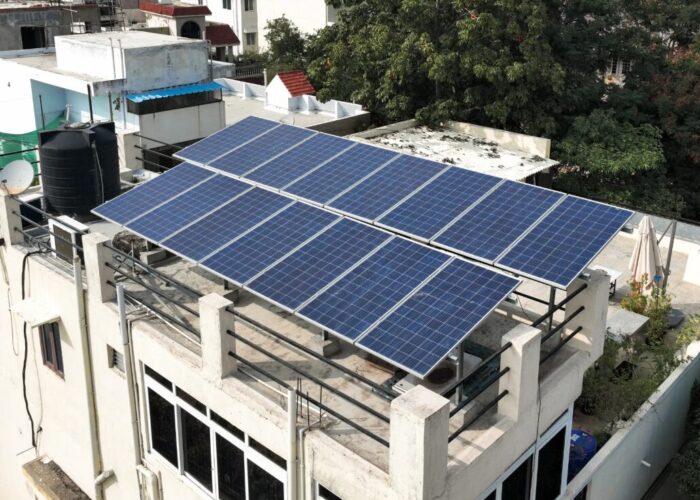
The total financial losses for the state of Kerala by the end of last week were estimated at INR7 billion (US$92 million), according to the KREEPA secretaries. The revival of the domestic renewable energy industry now depends heavily on the 500MW rooftop solar programme being facilitated by the state utility, Kerala State Electricity Board Ltd (KSEBL). Due to its tropical terrain and dense population, the state's PV industry already has a more weighted focus on the rooftop PV space.
“Our priority is keeping the workforce unaffected and thereby reducing the impact on the industry,” said KREEPA's report. “Solar plants are essential services and the required manpower is disbursed to upkeep the plants. Members are vigilant in keeping the existing customers confident on the O&M and offering service without break.”
India’s chance to source domestically as COVID-19 cuts imports
KREEPA's report also advised new customers to expect a short delay in the execution of projects as a result of the pan-India lockdown and other moves to halt the virus outbreak. In addition, the association urged its members to show resilience during the crisis and expect equipment and product costs to increase due to a scarcity of component supply.
“KREEPA members will operate with no margin for some time to promote the business which otherwise [would go] down,” the secretaries wrote.
Loss of subsidies can also be expected and for this reason, KREEPA has requested the state government to support the MSME segment by offering short-term interest-free working capital advances to revive the renewable energy industry.
Noting an expected drop in financial performance as resources are diverted to combat COVID-19, the report stated that it will take time for the industry to bounce back and show progress by the second half of the financial year.
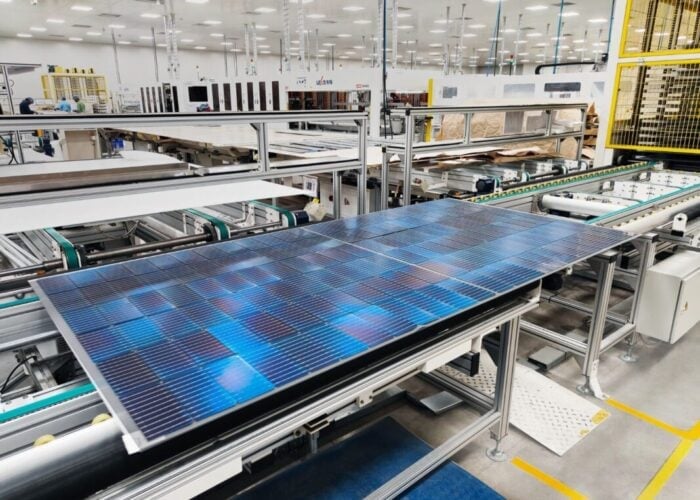
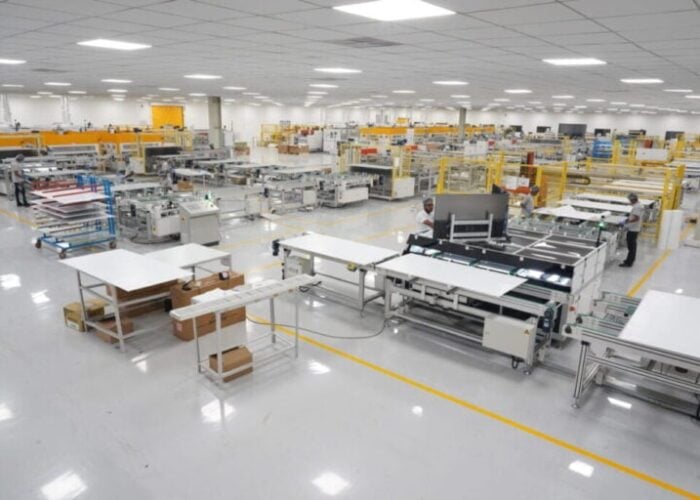
Ending on a positive note, the secretaries noted that while clean energy, EV and energy storage product supply will be heavily impacted due to the global dependency on China as a manufacturing hub, this could lead to countries shifting their sourcing inward. India could, therefore, see a boost in domestic manufacturing under the so-called ‘Make in India’ programme, perhaps finally making inroads in its attempts to slash imports by becoming a manufacturing stalwart for solar and EV products.
PV Tech has set up a dedicated tracker to map out how the COVID-19 pandemic is disrupting solar supply chains worldwide. You can read the latest updates here.
If you have a COVID-19 statement to share or a story on how the pandemic is disrupting a solar business anywhere in the world, do get in touch at [email protected] or [email protected].