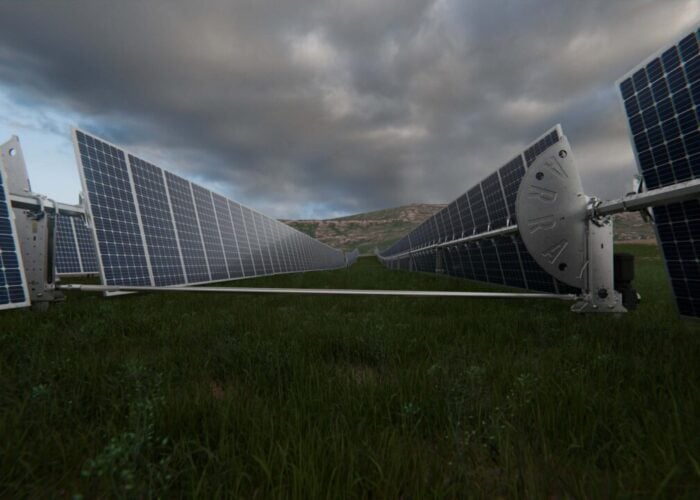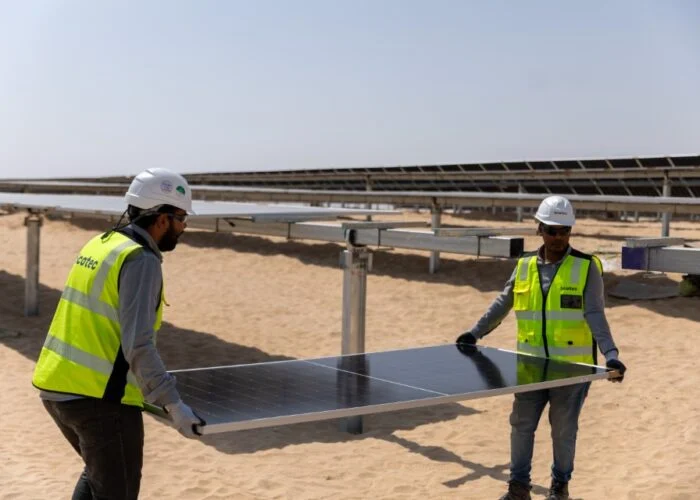
The US Department of Energy (DOE) has released US$45 million in funding to support domestic solar manufacturing and dual-use PV projects, US$18 million of which is issued under the Bipartisan Infrastructure Law.
The Silicon Solar Manufacturing and Dual-use Photovoltaics Incubator funding opportunity will provide funding to up to 12 manufacturing projects across the solar supply chain with a view to contributing to the Biden administration’s efforts to establish a domestic PV manufacturing base following its Inflation Reduction Act (IRA).
Try Premium for just $1
- Full premium access for the first month at only $1
- Converts to an annual rate after 30 days unless cancelled
- Cancel anytime during the trial period
Premium Benefits
- Expert industry analysis and interviews
- Digital access to PV Tech Power journal
- Exclusive event discounts
Or get the full Premium subscription right away
Or continue reading this article for free
The 12 projects – currently unspecified – will cover polysilicon production, silicon ingots and wafers, solar cells, glass and other module components, and associated manufacturing equipment.
The recent guidance on domestic content under the IRA from the internal revenue service (IRS) calls for 40% of US solar products to be domestically produced to qualify for another 10% tax credit. Industry players have said that this will be difficult to reach without solar glass and cell production in the US.
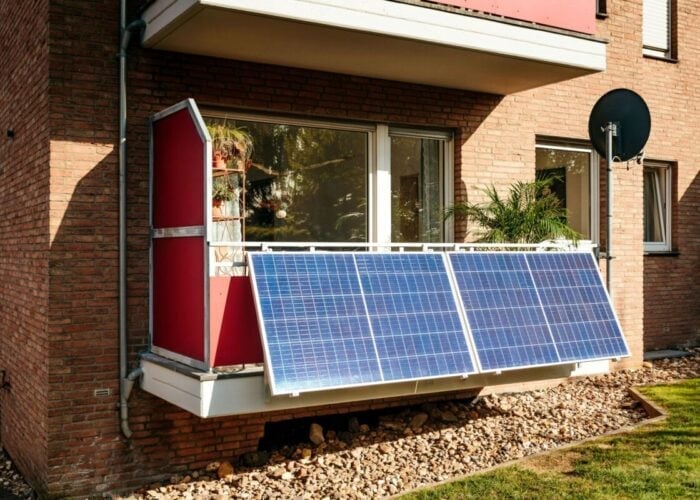
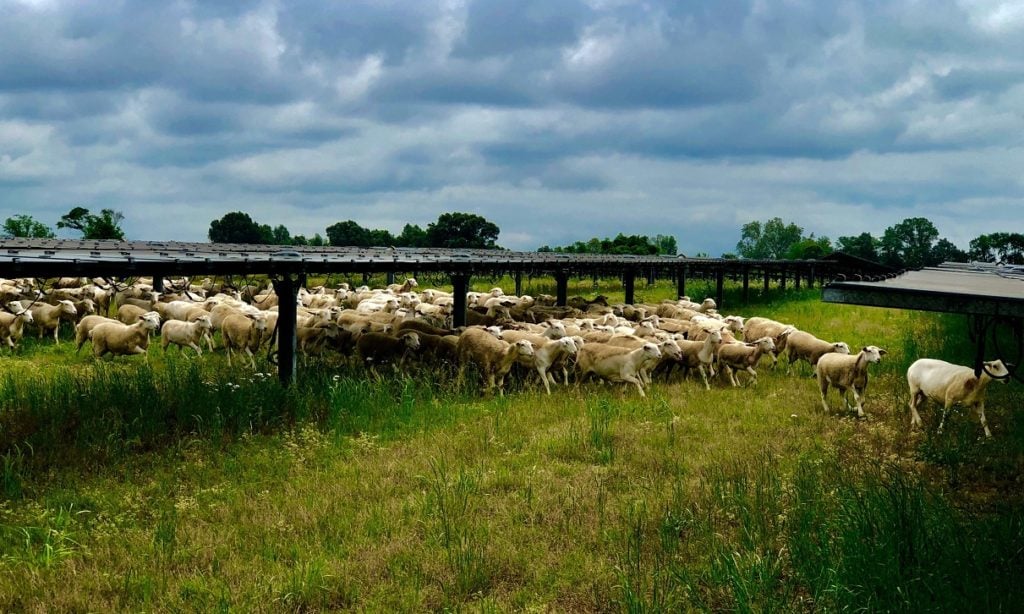
The DOE added that it will fund dual-use PV projects in emerging industry areas – agrivoltaics, building-integrated PV, floating solar and vehicle-integrated PV – which it said can expand PV markets and minimise land-use concerns.
Earlier this year PV Tech Premium spoke with the DOE-funded National Renewable Energy Laboratory (NREL) as part of a deep dive into the rise of agriPV.
US secretary of energy Jennifer M. Granholm said: “With these innovative, made-in-America technologies, the Biden-Harris Administration is powering the clean energy transition, lowering electricity costs for hardworking Americans, and protecting the future for our children from the impacts of the climate crisis.”
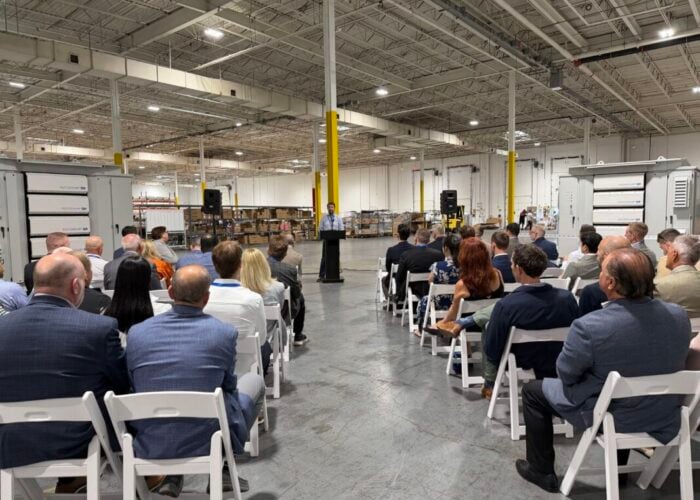
Biden yesterday made a visit to Enphase’s new South Carolina inverter manufacturing facility as part of the publicity trail for his ‘Bidenomics’ policies.
In April, the DOE announced another US$52 million in financing for the domestic solar industry, focusing on technology innovations like perovskite and manufacturing investments to First Solar and Toledo Solar. Incidentally, First Solar brought a lawsuit against Toledo Solar for deceptively rebranding and reselling its modules shortly afterwards.