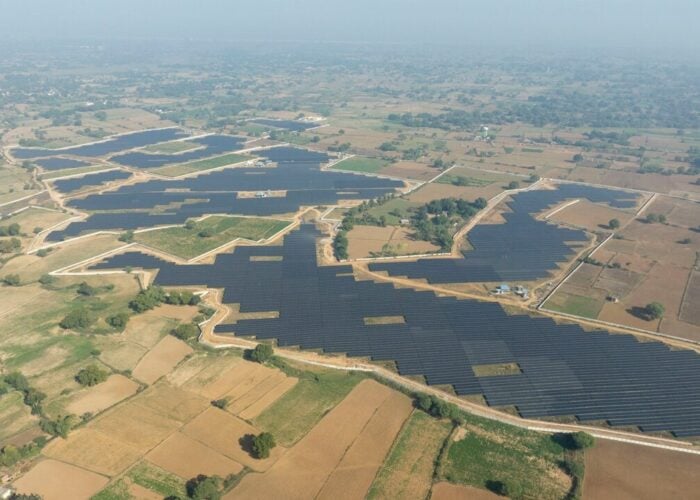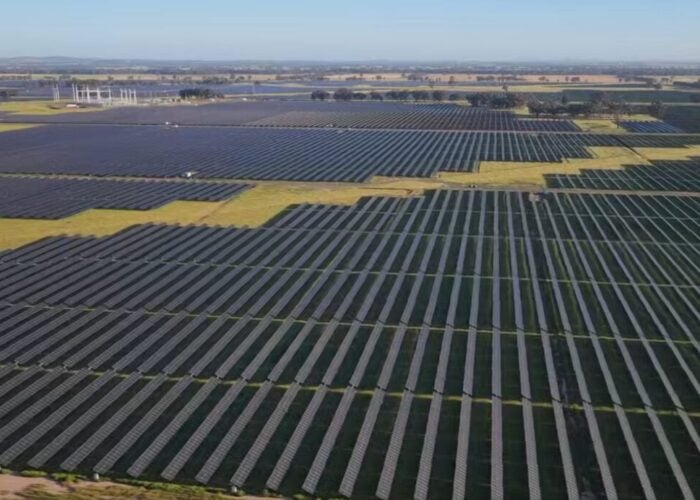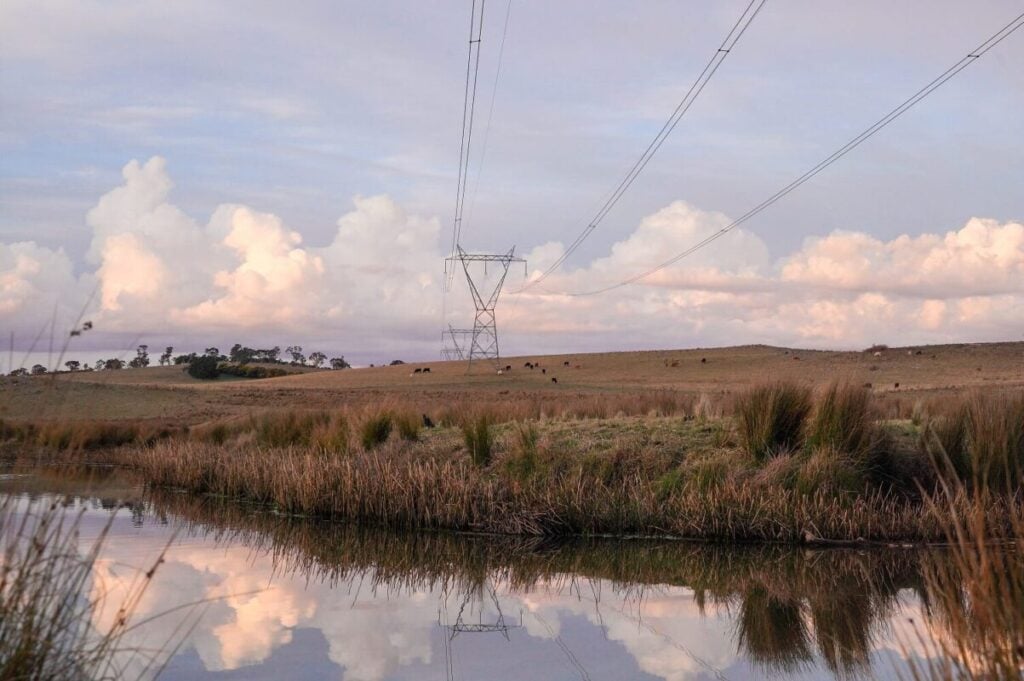
New South Wales (NSW) energy agency EnergyCo has executed a Project Development Deed with transmission operator Transgrid to upgrade a section of the grid between Jerilderie and Wagga Wagga in Australia.
In doing so, this will unlock the capacity needed to connect 3.56GW of wind, solar and battery storage projects in the state’s South West Renewable Energy Zone (REZ).
Try Premium for just $1
- Full premium access for the first month at only $1
- Converts to an annual rate after 30 days unless cancelled
- Cancel anytime during the trial period
Premium Benefits
- Expert industry analysis and interviews
- Digital access to PV Tech Power journal
- Exclusive event discounts
Or get the full Premium subscription right away
Or continue reading this article for free
The deed sets out the scope for a series of transmission upgrades that will allow four generation and storage projects that hold access rights under the South West REZ Access Scheme to connect to the National Electricity Market (NEM).
The agreement follows the NSW government’s AU$225 million (US$155 million) investment in the South West REZ to accelerate project delivery.
The infrastructure works cover upgrades to the Dinawan substation, including raising its operating voltage from 330kV to 500kV and adding a new switchyard, alongside upgrades to 11km of 330kV transmission line between the Gugaa and Wagga Wagga substations and the conversion of the existing Dinawan-Wagga Wagga powerlines from 330kV to 500kV. Transgrid will plan, deliver and operate the works.
Transgrid CEO Brett Redman said the project would reinforce grid reliability and benefit consumers across NSW and the broader NEM by enabling the connection of lower-cost renewable energy.
The four projects holding access rights in the South West REZ were awarded those rights through a competitive tender process conducted by ASL in April 2025, covering solar PV, wind and battery storage with a total allocated capacity of 3.56GW.
The projects are forecast to generate more than AU$17.8 billion in private investment, with more than AU$10 billion flowing into the NSW economy during construction and operation.
EnergyCo projects that the REZ will support an average of 1,690 direct jobs per year during construction and 200 ongoing operational roles, with broader flow-on effects across local manufacturing, retail, transport, and services.
An initial AU$60 million has already been committed through the Community and Employment Benefit Program that accompanies the REZ, announced alongside the June 2026 investment package.
The South West REZ stretches from west of Jerilderie to the Victorian border near Mildura, incorporating the towns of Buronga, Gol Gol, Balranald and Hay.
It is supported by two new transmission projects. Project EnergyConnect, the 900-kilometre interconnector linking South Australia and NSW that was completed last year, passes through the zone.
The Victoria NSW Interconnector West (VNI West), a proposed new link between NSW and Victoria, is also planned to run through the zone, with Transgrid as the delivery entity for both.
NSW REZ programme context
The South West REZ is the third of NSW’s declared REZs, following the Central-West Orana and New England zones.
Construction on Australia’s first REZ, the Central-West Orana zone, began in June 2025 with early works on transmission infrastructure to connect the zone’s wind and solar projects to the grid.
The South West REZ was declared in November 2022 and has since progressed through access scheme design, a competitive tender for project access rights, and is now in the execution of a transmission development agreement.
The NSW government’s energy roadmap set a target of 12GW of new renewables by 2030, with REZs as the primary mechanism for coordinating generation investment alongside the transmission upgrades needed to carry that power to consumers.
Earlier NSW budget commitments earmarked AU$2.1 billion for transmission infrastructure across the REZ programme, reflecting the scale of grid investment needed to absorb the state’s planned renewable energy build-out as three of its four remaining coal-fired power stations approach retirement within the next decade.