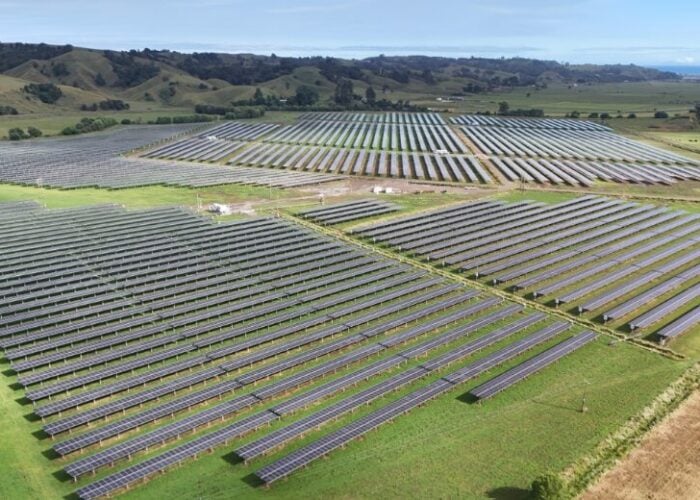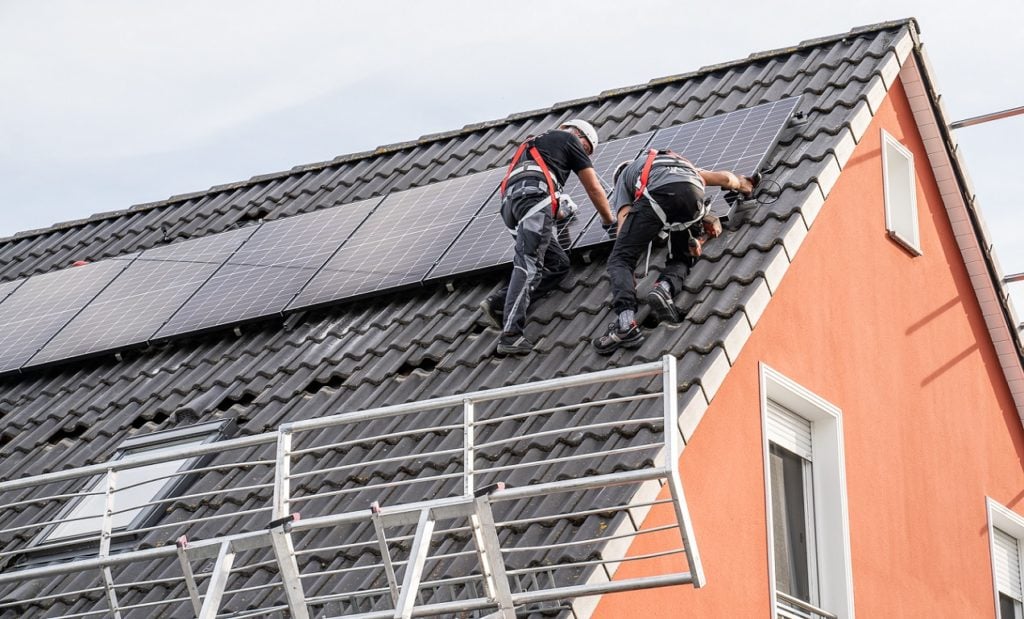
The European Parliament has approved a law requiring member states to deploy solar installations on buildings and renovate them to improve their energy efficiency.
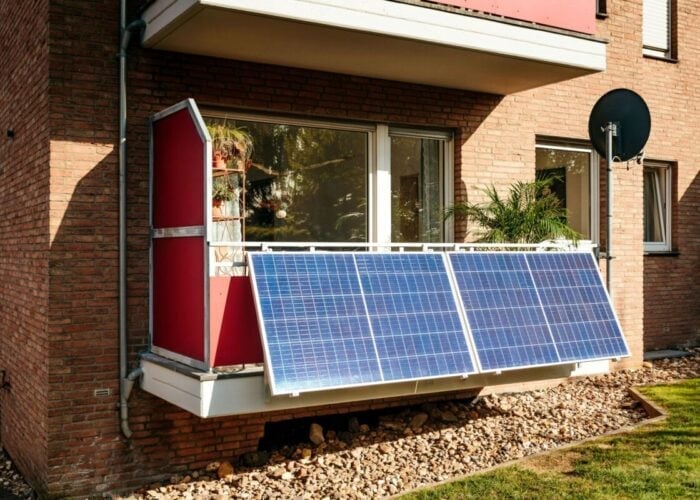
The proposed revision of the Energy Performance of Buildings Directive (EPBD) includes several targets to reduce emissions. For example, member states of the EU will need to deploy solar installations progressively in public and non-residential buildings and all new residential buildings by 2030, when applicable.
Try Premium for just $1
- Full premium access for the first month at only $1
- Converts to an annual rate after 30 days unless cancelled
- Cancel anytime during the trial period
Premium Benefits
- Expert industry analysis and interviews
- Digital access to PV Tech Power journal
- Exclusive event discounts
Or get the full Premium subscription right away
Or continue reading this article for free
All new buildings should be zero-emission by 2030, while new buildings occupied or owned by public authorities should be zero-emission by 2028.
The law also requires member states of the EU to take into account the lifecycle global warming potential of a building, including the production and disposal of the construction products used to build it.
For residential buildings, member states of the EU will be required to roll out measures to reduce the average primary energy use by at least 16% by 2030 and at least 20-22% by 2035. The worst-performing 26% of non-residential buildings in terms of energy efficiency must be renovated by 2030.
“The directive shows clearly how climate policy can have real and immediate benefits for the less well-off in our society. This law will help bring down energy bills and address the root causes of energy poverty,” said Ciarán Cuffe, rapporteur for the Energy Performance of Buildings Directive.
According to the European Commission (EC), buildings in the EU are responsible for 40% of energy consumption and 36% of greenhouse gas emissions.
Jan Osenberg, senior policy advisor at SolarPower Europe, said: “As the grid catches up to the energy transition, installing energy generation where we use energy will also help the grid, by keeping electricity local and empowering citizens with the information and technical ability to use electricity smartly.”
Last December, the European Parliament and the EC reached a provisional agreement on the strengthened EPBD. In the same month, the EC called on Europe’s governments to “enhance their efforts” to accelerate the energy transition, having assessed the revised National Energy and Climate Plans (NECPs) for a number of European countries.