The PV industry’s progress in meeting sustainability goals is patchy, with notable gaps in the end-of-life management of PV products and wide disparities in the maturity of crucial industry standards.
This is the headline conclusion of a report published this week by the sustainability task group of the International Energy Agency’s PV Power Systems Programme (IEA-PVPS), based on a detailed review of sustainability standards for the PV sector.
Try Premium for just $1
- Full premium access for the first month at only $1
- Converts to an annual rate after 30 days unless cancelled
- Cancel anytime during the trial period
Premium Benefits
- Expert industry analysis and interviews
- Digital access to PV Tech Power journal
- Exclusive event discounts
Or get the full Premium subscription right away
Or continue reading this article for free
The study maps the current regulatory and voluntary frameworks that influence the industry’s environmental and social performance. These frameworks are coming into sharper focus as the 2030 deadline for the UN’s sustainable development goals approaches, and the PV industry’s collective contribution to them receives closer scrutiny.
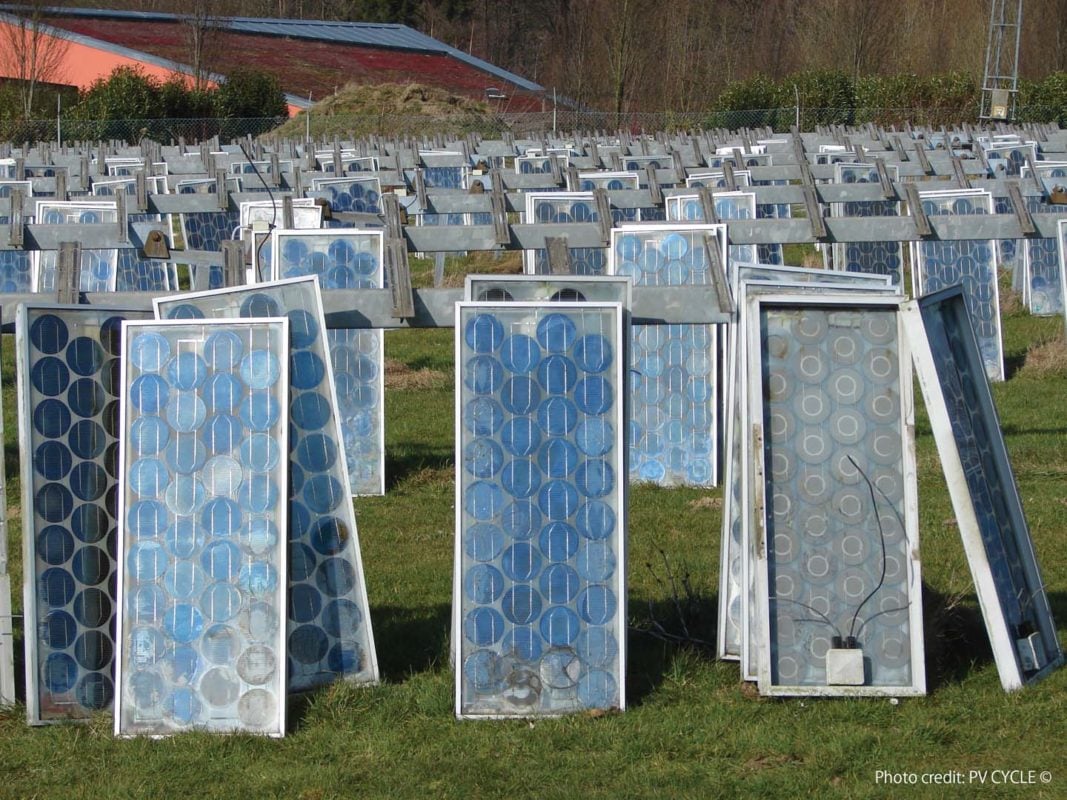
The report found that although sustainability standards across the PV supply chain are evolving rapidly, significant gaps exist in critical areas, such as end-of-life management of PV hardware and the integration of “robust” social criteria in procurement processes.
It also found that, conversely, some standards show significant overlap, for example, reporting requirements, which can be both beneficial for robustness and overly burdensome because they are unnecessary. The report said that streamlining overlapping standards could enhance efficiency without sacrificing comprehensiveness.
A further finding was a variation in the maturity of the different sustainability standards underpinning the PV sector, indicating what the report said was the PV industry’s evolving approach towards a comprehensive approach to sustainability. For example, in the EU, long-standing sustainability regulations, such as the EU Ecodesign standard, exist alongside new ‘ecolables’ and product-specific standards that have a limited uptake.
Among the specific recommendations made in the report is the need for greater prominence of the circular economy principles of reuse and remanufacturing in standards such as ISO140167, the international standard for calculating a product’s carbon footprint.
It also suggested integrating labour and human rights into standards. For example, building on frameworks such as the Uyghur Forced Labor Prevention Act (UFLPA) in the US and the EU’s forced labour ban, the report said adding labour rights protections and due diligence metrics to product and environmental standards could create a more unified approach to ethical sourcing and environmental responsibility across the PV sector.
“This report brings much-needed clarity to the fragmented landscape of PV sustainability standards, highlighting both gaps and opportunities to guide the industry forward,” said co-author Nieves Espinosa.
‘Review of PV sustainability standards 2025’ is available via the IEA-PVPS website.