As polysilicon prices have continued to slump this year, silicon companies are facing operating pressure from cost inversion. Instead of engaging in intense competition in the domestic market, some have started looking overseas for increased demand.
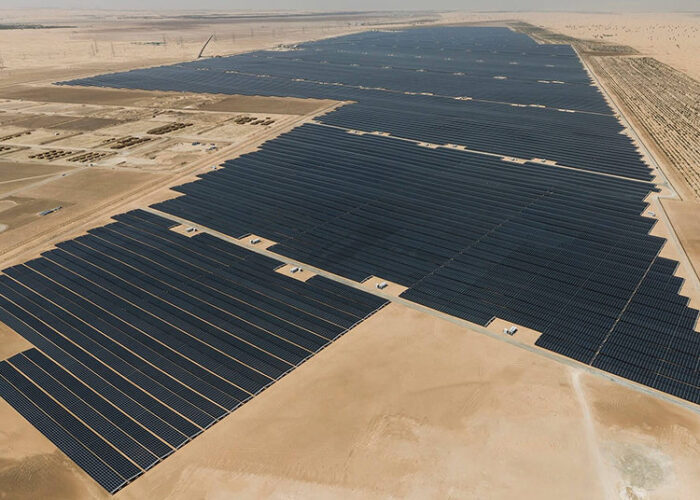
On 3 June, GCL Tech announced that it will explore potential cooperation opportunities with Mubadala Investment Company, one of the UAE’s sovereign wealth fund, to establish a comprehensive silicon ecosystem of global and regional significance in the United Arab Emirates.
Try Premium for just $1
- Full premium access for the first month at only $1
- Converts to an annual rate after 30 days unless cancelled
- Cancel anytime during the trial period
Premium Benefits
- Expert industry analysis and interviews
- Digital access to PV Tech Power journal
- Exclusive event discounts
Or get the full Premium subscription right away
Or continue reading this article for free
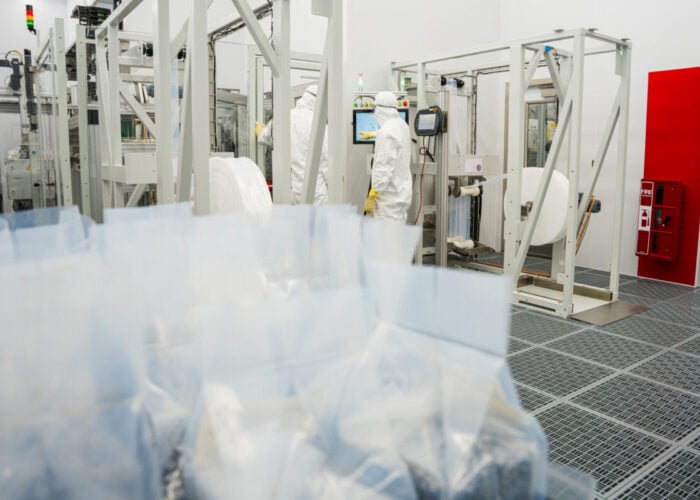
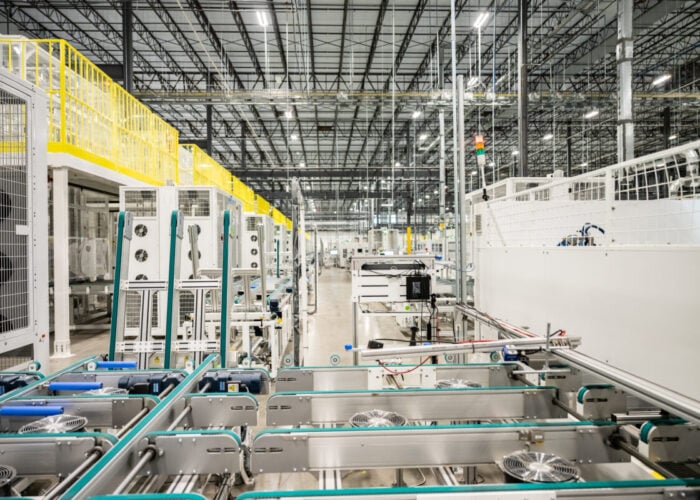
GCL Tech said in May this year that its wholly owned subsidiary, GCL Tech (Suzhou), had signed a cooperation agreement with MDC POWER HOLDING COMPANY LLC, the wholly owned subsidiary of Mubadala, to explore the joint development of the first polysilicon facility in the UAE.
Zhu Gongshan, GCL Tech’s chairman, said that in future, GCL Tech would build its first overseas granular silicon project in the UAE, helping the UAE and Middle Eastern countries to promote green energy industry upgrade and transformation.
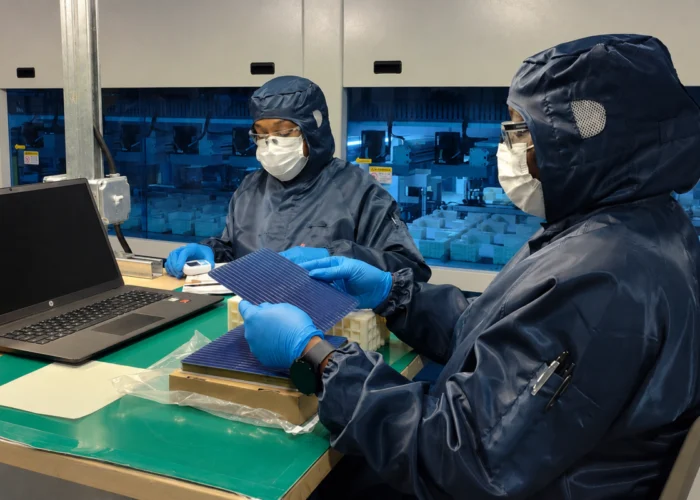
GCL Tech said in its 2023 financial report that after two years of careful planning, the company’s polysilicon project in the Middle East would focus on lower-carbon, lower-cost and higher-quality granular silicon technology, leading and promoting China’s PV manufacturing industry to climb to the high-end of the value chain overseas.
According to the UAE government’s 2050 National Energy Strategy Update, by 2030, the share of clean energy in its total energy mix will be increased to 30%. The UAE government will increase investment by around US$40 billion to US$54 billion over the next seven years, and the installed capacity of renewable energy will more than double, reaching 14.2GW.
Since last year, TCL Zhonghuan, Trina Solar and ArcTech Solar included, China’s PV companies have successively announced investment plans in the Middle East, with planned capacity for wafers, cells, modules and auxiliary materials. According to data from InfolinkConsulting, in 2023, PV demand in the Middle East is about 20.5GW-23.6GW.
Details of the location and timeline for the new facility have not been disclosed.