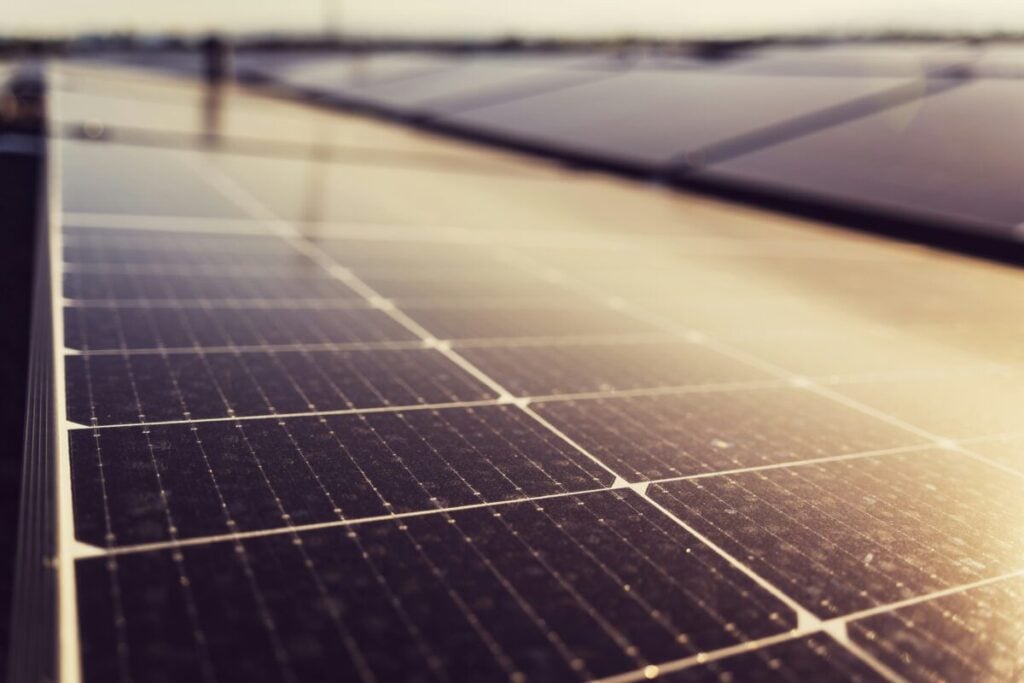
Global solar PV installations reached 647GW in 2025, up 11% from the previous year, according to data from think tank Ember.
Combined with wind power, the two technologies added a record 814GW of new capacity in 2025, with solar PV accounting for nearly 4GW of new additions for each 1GW of wind installed.
Try Premium for just $1
- Full premium access for the first month at only $1
- Converts to an annual rate after 30 days unless cancelled
- Cancel anytime during the trial period
Premium Benefits
- Expert industry analysis and interviews
- Digital access to PV Tech Power journal
- Exclusive event discounts
Or get the full Premium subscription right away
Or continue reading this article for free
More than half of the installed solar PV in 2025 came from China, totalling 378 GW. Most of China’s solar PV installations in 2025 came in the first half of the year, with the first five months accounting for 237GW, including a record 111GW in May alone, driven by a pricing reform for grid-connected renewables that led to projects reaching commercial operations before June.
Despite yet another record year for solar PV additions in China, the coming years are poised to see a decrease in capacity additions, according to the China Photovoltaic Industry Association (CPIA). The trade body forecasts that China will add 180-240GW of new solar PV capacity in 2026, down from 315GW in 2025, which aligns with Ember’s data for alternating current (AC).
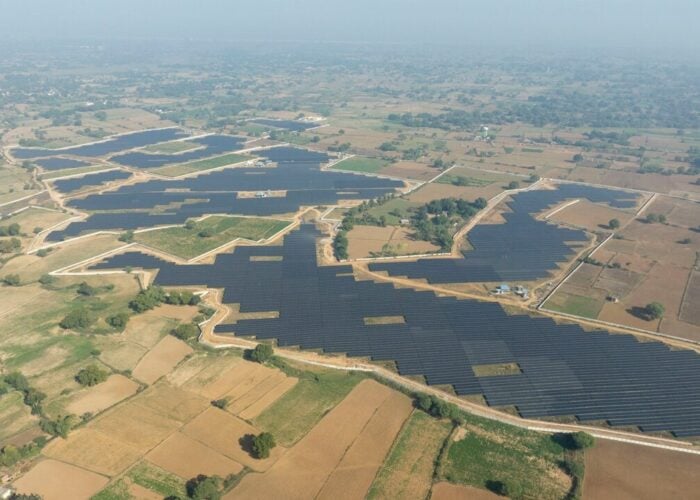
Another notable market with a record year in 2025 is India, which added 49GW of new solar PV, up from 31.9GW in 2024, as shown in the chart above. Converted to GWac, new installations in 2025 stood at 37.7GW, which is roughly aligned with data from Indian research companies Mercom (36.6GW) and JMK Research (37.9GW).
Unlike China, India is forecast to further accelerate the installation of new solar PV capacity in 2026, with an estimated 42.5GW, according to JMK Research, up from the 37.9GW registered in 2025.
“The scale and speed of solar’s expansion is unlike anything seen before in the power sector. Along with accelerating capacity additions for wind, these technologies are on track to become the backbone of the global electricity supply,” said Leonard Heberer, data analyst at Ember.
Cumulative solar PV at the end of 2025 stood at 2.9TW and is likely to have crossed the 3TW milestone in the first few months of 2026. The previous milestone was reached in November 2024 and took only two years to go from 1TW of cumulative installed solar PV to 2TW.
China accounts for nearly half of the 2.9TW solar PV installed at the end of 2025, with 1.4TW.
Moreover, Ember added that since the beginning of the conflict in the Middle East, the output of all the solar PV and wind capacity currently installed globally has avoided the equivalent of nearly 330TWh of gas generation. This represents a potential saving of more than US$40 billion.
“The continuing escalation in the Middle East is a stark reminder of the risks of dependence on imported oil and gas. Solar, wind, and batteries give importers a genuine path to energy security, one that is cheaper, faster to deploy and doesn’t come with geopolitical strings attached,” added Kingsmill Bond, energy strategist at Ember.