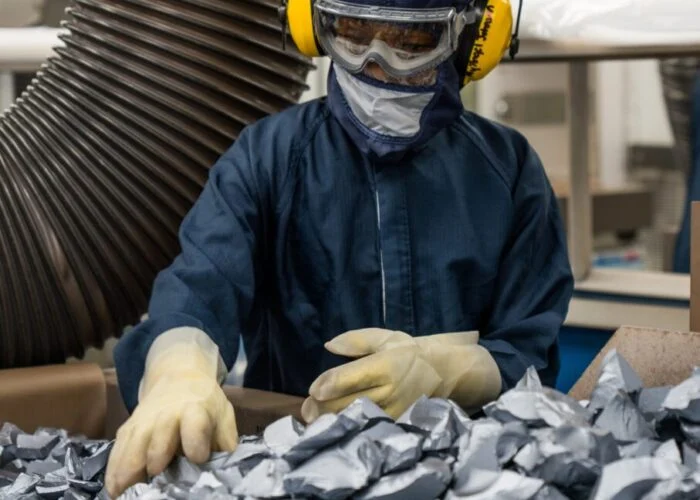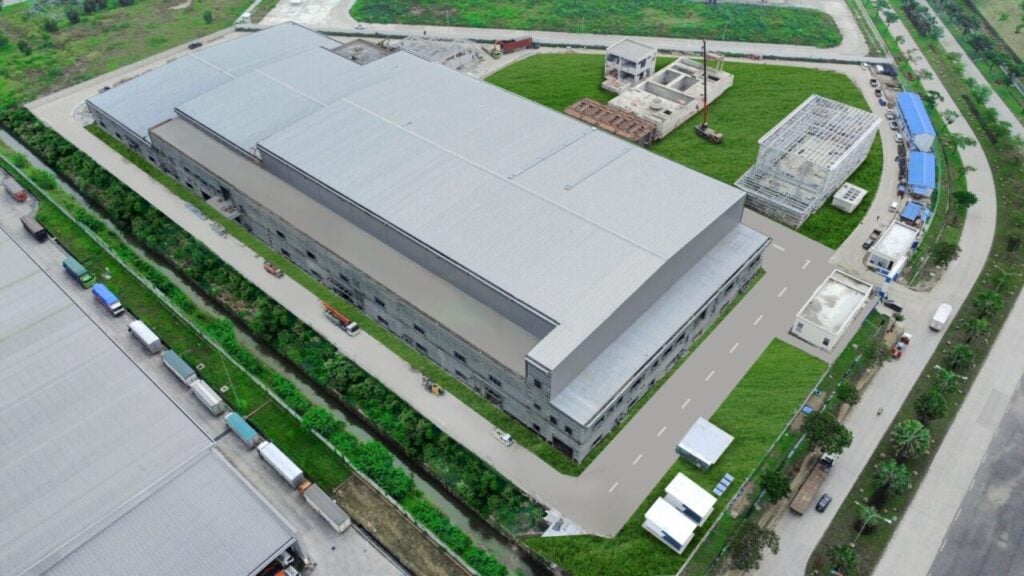
Singapore-headquartered solar manufacturer Gstar Solar has received solar equipment for its 3GW wafer manufacturing plant in Indonesia.
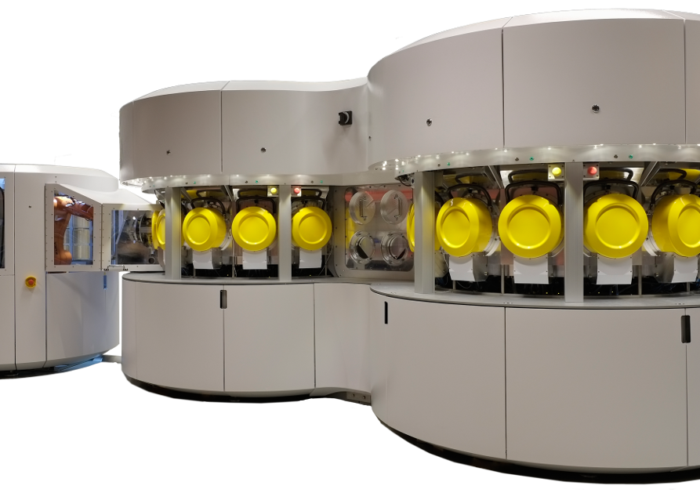
Among the pieces of equipment received are monocrystalline growth furnaces and accompanying control systems. This marks the beginning of the key equipment installation phase of the project, according to the company.
Try Premium for just $1
- Full premium access for the first month at only $1
- Converts to an annual rate after 30 days unless cancelled
- Cancel anytime during the trial period
Premium Benefits
- Expert industry analysis and interviews
- Digital access to PV Tech Power journal
- Exclusive event discounts
Or get the full Premium subscription right away
Or continue reading this article for free
The furnaces from the shipment employ the Czochralski (CZ) crystal growth method and are equipped with fully automated control systems. This allows for precise management of critical parameters, such as temperature gradients, pulling speed and rotation speed during the crystal growth process.
In total, the company will deploy 120 monocrystalline silicon growth furnaces and other advanced equipment to the Indonesian plant in stages.
Construction on the wafer-slicing plant began in April 2024 and the company expects to begin trial production in May this year.
Once operational, the plant will produce monocrystalline silicon rods and large-size silicon wafers, including 182mm and 210mm.
The Indonesian wafer manufacturing plant is one of many solar manufacturing hubs the company has in Southeast Asia. Gstar has an operational solar cell plant in Thailand – with a 3GW annual nameplate – and module assembly plant in the Philippines that is in the equipment installation and commissioning phase. On top of these two manufacturing plants, the company also has an aluminium frame manufacturing plant in Laos that is operational.
Outside of Southeast Asia, the company aims to build a module assembly plant in the United Arab Emirates (UAE). Through a memorandum of understanding with Middle Eastern investment company Siraj Group, the company is targeting 2GW of annual nameplate for solar modules in the country.