Former major PV equipment provider, GT Advanced Technologies (GTAT) has successfully emerged from chapter 11 bankruptcy in the District of New Hampshire, US after seeking protection in October, 2014.
A group of financial sponsors, led by a former GTAT board member, Eugene Davis is providing US$60 million in exit financing via new GTAT Senior Secured Notes and a further US$20 million to subsidiary GT Inc via Reorganized Common Stock issue, according to SEC filings.
Try Premium for just $1
- Full premium access for the first month at only $1
- Converts to an annual rate after 30 days unless cancelled
- Cancel anytime during the trial period
Premium Benefits
- Expert industry analysis and interviews
- Digital access to PV Tech Power journal
- Exclusive event discounts
Or get the full Premium subscription right away
Or continue reading this article for free
As a result, Davis will be the majority shareholder in GTAT with around an 84% ownership. All existing shares previously traded on the OTC market will be cancelled and effectively wiping out all investors still holding stock. The company has become private.
David Keck, GTAT’s President and Chief Executive Officer said: “Our emergence from Chapter 11 marks the start of a new chapter for our company. Through this process, we have resolved the issues which led to our decision to seek bankruptcy court protection. With our strengthened financial flexibility, we will focus on our industry leading capabilities in the solar and sapphire markets.”
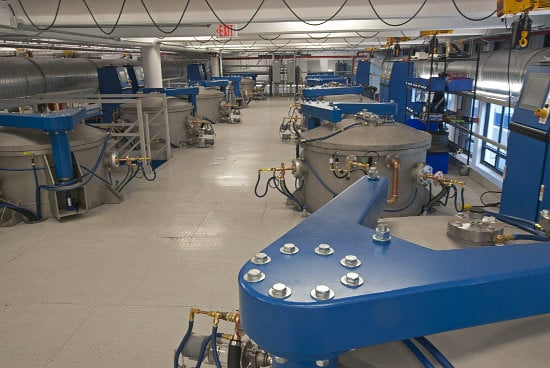
Presently, it remains unclear what the new business strategy GTAT will be pursuing in the PV and sapphire markets, except attempting to sell US$400 million worth of sapphire making equipment used for former customer Apple.
“We believe GTAT is well positioned for the future and we are excited about our market opportunities,” added Keck, without elaboration.
The company still faces class action legal cases and a related US Securities and Exchange Commission investigating. Court documents ahead of the chapter 11 exit from creditors and bondholders indicate that the US Justice Department and the New York attorney general were also investigating the company.