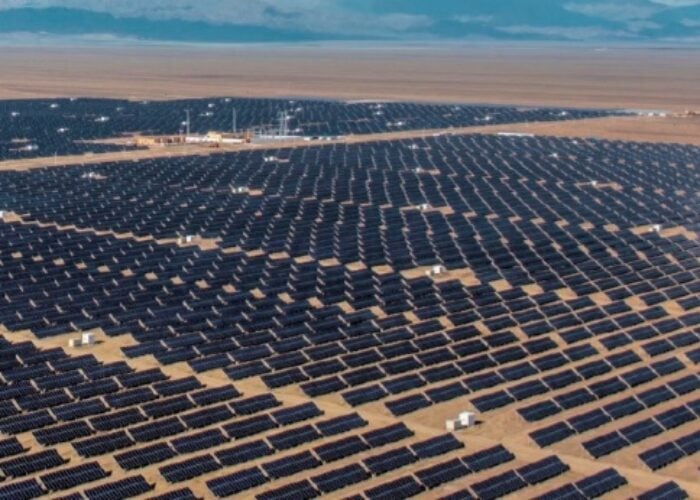
Kulachi Solar Power Project (Private) Limited is tendering for EPC services on a 50MW solar PV project near Kulachi, in the Khyber Pakhtunkhwa (KP) Province of Pakistan.
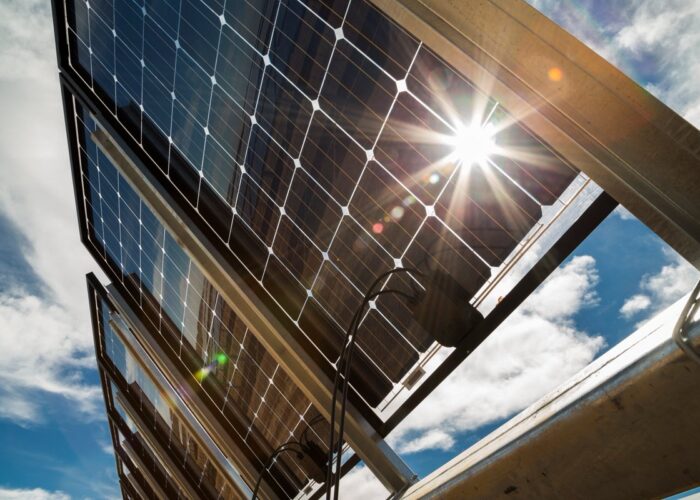
US-headquartered engineering and consultancy firm Black & Veatch and engineering services, and certification testing lab, Renewable Energy Test Center (RETC) in California, said they would establish the first of its kind bifacial solar module ranking service.
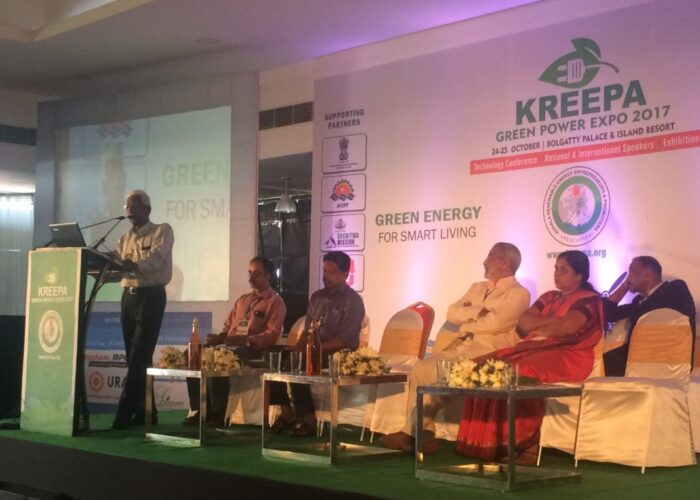
With the world’s first solar-powered airport, as well as India’s first solar education centre and floating PV projects, the state of Kerala has been a frontrunner in innovation and now its industry has an eye on a hugely ambitious rooftop solar goal - KREEPA Green Power Expo 2017.
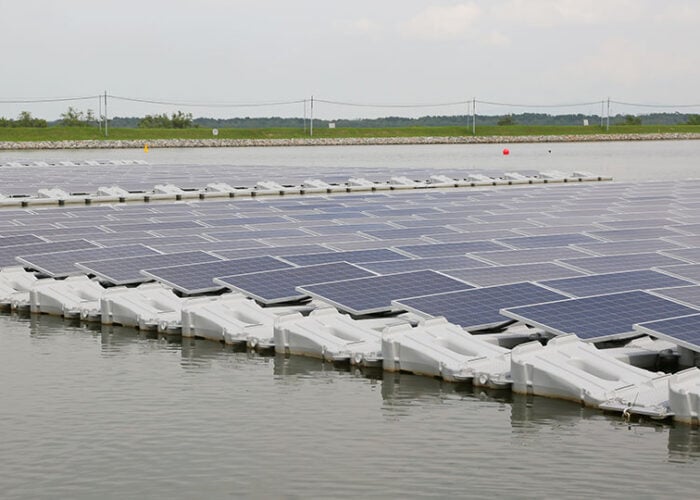
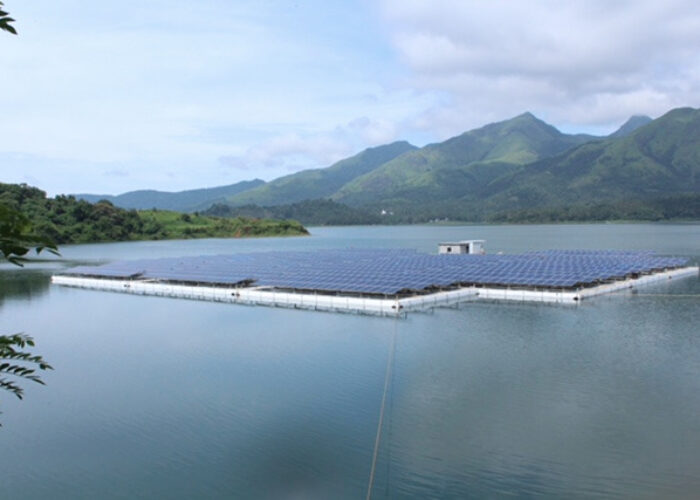
Taiwan-based PV developer and EPC firm New Green Power (NGP) is to build a 14MW floating solar project in northern Taiwan, according to company director Kai Tan.
‘Silicon Module Super League’ (SMSL) member GCL System Integrated Technology (GCL-SI) has secured its first order in Australia for its recently launched ‘Super 2.5 MW Solar Block’ modular plant system from Australian-based power station developer APSU Power.
GCL System Integration Technology (GCL-SI) has launched its first modular PV power plant system. The ‘Super 2.5 MW Solar Block’ system utilizes GCL-SI’s 96-cell modules with a specially developed horizontal single axis tracker to accommodate the large-area modules as well as an all-in-one Inverter Power Container for 1500V DC system voltage.
State-run coal mining and power firm NLC India has auctioned a 20MW solar PV project to be combined with 28MWh of energy storage capacity in the Andaman and Nicobar Islands.
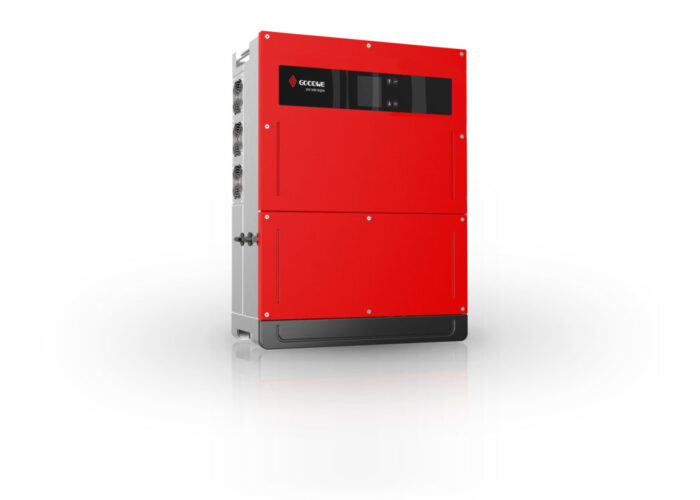
GoodWe’s new MT Series inverter boost function offers a continuous maximum AC output power overload of 15% for higher yield and quicker ROI, according to the company.