In a somewhat turbulent, but always interesting year for solar PV, we’ve seen supply chain volatility and subsequent pricing concerns, a burgeoning technology arms race and a new regime in the US shake off the shackles of the four years prior. But what were PV Tech’s top ten stories of 2021?
As 2021 draws to a close, PV Tech is reviewing the year in solar, reflecting on some of the biggest stories and hottest trends of the last 12 months. Today we look at the impact of soaring prices and logistics challenges during the fourth quarter.
trends of the last 12 months. Part one of our year in review can be read here, but today we look at the top stories of Q2 2021, as supply chain headwinds began to bite.
As 2021 draws to a close, PV Tech is reviewing the year in solar, reflecting on some of the biggest stories and hottest trends of the last 12 months. Today we start in orderly fashion, analysing the headlines from the first three months of the year, as the industry got off to a roaring start.
With reductions in wafer prices now sustained and further reductions expected, Carrie Xiao assesses the potential for cell and module prices to fall in tandem and speaks to manufacturers and developers in China.
While Mono-PERC is the eminent solar cell technology presently, its dominance is expected to be short lived with n-type TOPCon cells primed to takeover. But when will that technology shift happen? What does it mean for heterojunction? And what does that mean for tandem cells or perovskites? Liam Stoker finds out
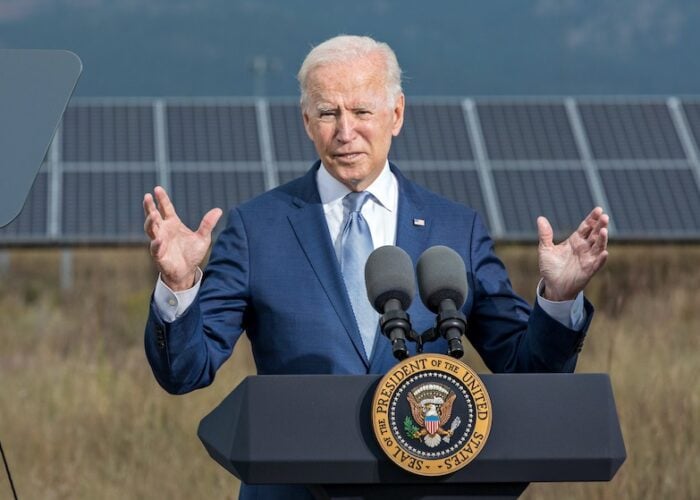
The US International Trade Commission (ITC) has recommended that President Joe Biden extend tariffs on imported crystalline silicon PV cells and modules for another four years.
As Senate Democrats continue negotiations over President Joe Biden’s US$1.75 trillion Build Back Better plan, Jules Scully looks at how the package could drive solar deployment and bolster domestic PV manufacturing.