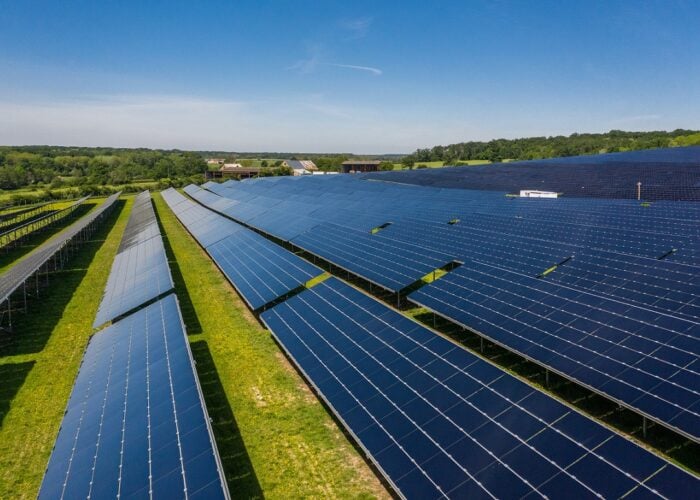
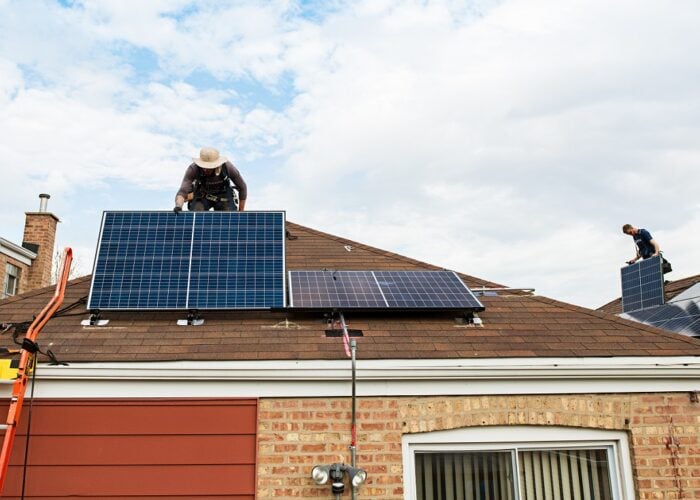
Europe’s solar industry must address the talent shortage, supply chain challenges and permitting hurdles to build on last year’s strong installation figures, according to PV industry experts.
Nearly two-thirds of US generating capacity additions in the next three years will be fulfilled by solar, with the technology’s share of power generation in the country set to almost double, according to a report from the Federal Energy Regulatory Commission (FERC).
Solar PV will play a more important role in Nigeria’s power supply as it plans to meet the growing needs of all sectors of its economy through renewables.
Sky-high electricity prices and an increasing urgency to curb fossil fuel led to a surge in European solar additions last year. Jules Scully charts how the continent’s ongoing energy crisis is affecting EU renewables policy and PPA appetite.
In early December, the Dutch government announced a €130/MWh revenue cap on solar and wind generation. The decision to lower the cap draws eyes, and potentially spells trouble for the country that installed Europe’s fourth largest solar capacity in 2022.
India has undershot its 2022 renewable energy target by 30% amidst solar module supply shortages, according to research by renewables consultancy Bridge To India.
The Australian government has landed a deal to connect New South Wales’ Renewable Energy Zones and the Snowy 2.0 hydropower project to the grid with a A$7.8 billion (US$5.2 billion) investment.
Many of France’s large-scale solar projects have had to be set aside temporarily due to pressures from the energy crisis causing poor access to equipment and a rise in the levelised cost of electricity.
NEM 3.0, the latest iteration of California’s rooftop solar net metering scheme, was passed yesterday by the California Public Utilities Commission (CPUC). Vocal public debate surrounded the legislation before the vote as solar industry workers and representative bodies called for revisions to the proposed decision.