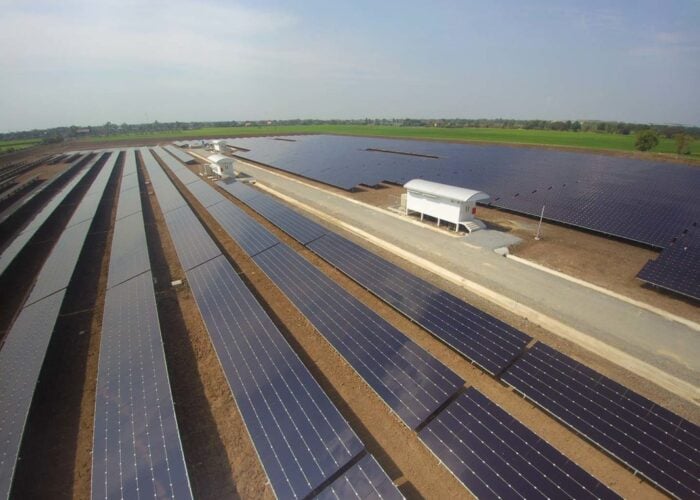
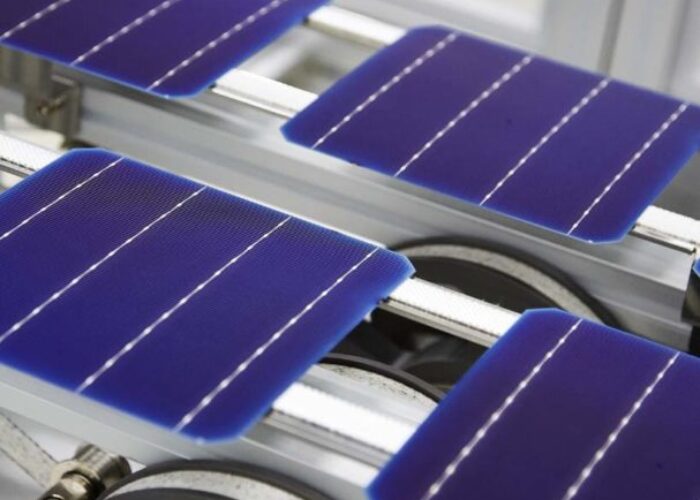
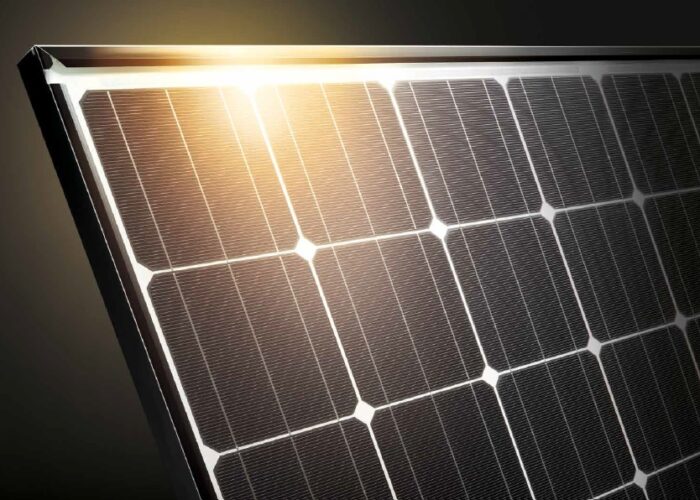
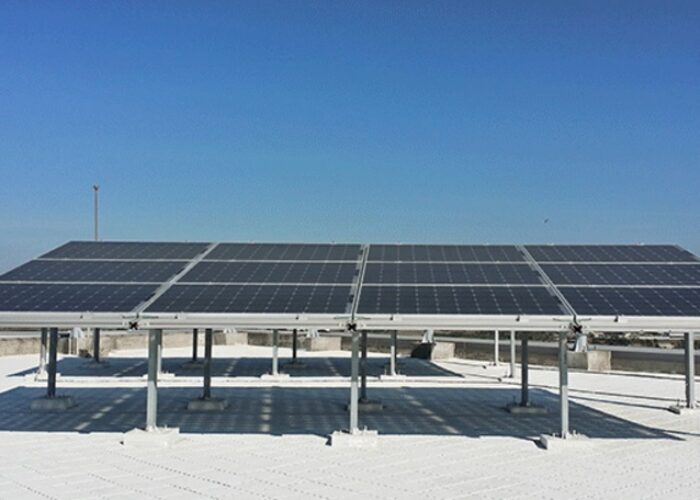
US-headquartered Hybrid Cell Technology (HCT) module producer Sunpreme has supplied 1.62MW of bifacial modules to Blue Sky Utility that have been used on the rooftop of shopping centre Hanford Mall in Hanford, California.
German PV and storage company IBC Solar has signed off on a partnership agreement with EVBox, a global manufacturer of electric vehicle (EV) charging stations and charging management software.
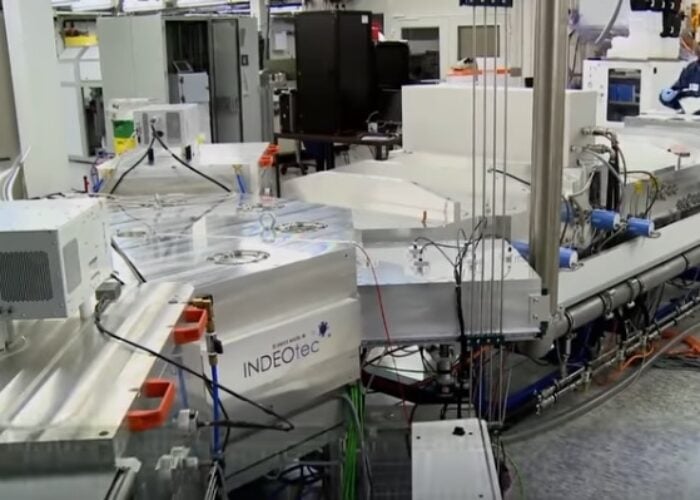
Swiss-based PV manufacturing equipment specialist INDEOtec SA has successfully gained tool acceptance for its PECVD process tools from both Fraunhofer ISE and the King Abdullah University of Science and Technology (KAUST) in Saudi Arabia for next-generation heterojunction solar cells.
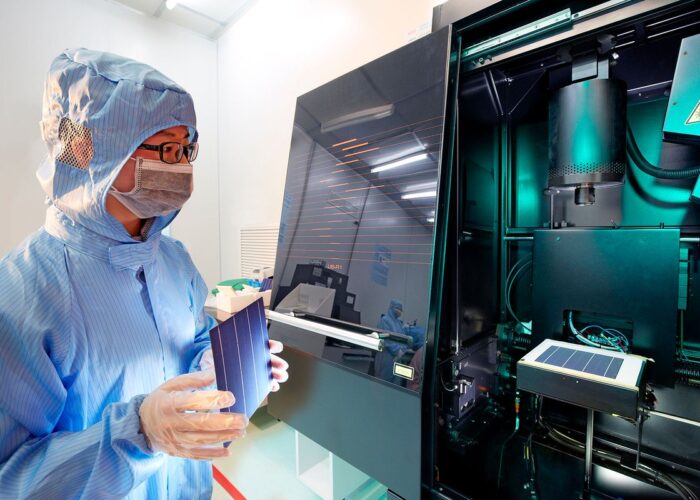
‘Silicon Module Super League’ (SMSL) member Trina Solar has set a new record 25.04% conversion efficiency for an N-type monocrystalline IBC (Interdigitated Back Contact) solar cell at its State Key Laboratory (SKL) of PV Science and Technology (PVST) that was independently certified by Japan Electric Safety and Environmental Technology Laboratory (JET).
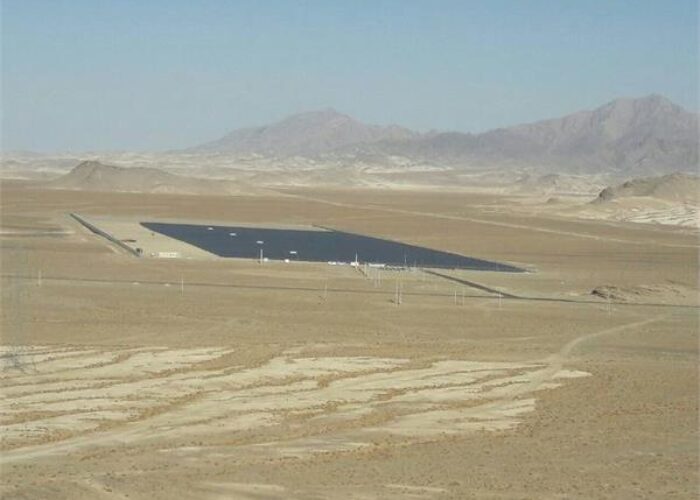
Gostaresh completes 10MW PV project in Sistan and Baluchestan, Zambia readies 100MW solar tender under GET FiT programme, ADB launches government rooftop PV projects in Micronesia, Seraphim module supply agreement in Mexico with Solar Center.
PV capital expenditure (capex) in 2018, covering investments into ingot, wafer, cell and module capacity, will grow by almost 25% compared to 2017, passing through the US$10 billion mark, returning to levels last seen back in 2010 and 2011 when investments in turn-key thin-film fabs were a key contributor.
Leading PV manufacturing equipment supplier Meyer Burger is to supply its SmartWire Connection Technology (SWCT) to integrated PV module manufacturer REC Group.
Major electronics firm Panasonic Corporation of North America is to offer an AC version of its heterojunction modules using the newly launched IQ 7X microinverter from Enphase Energy in the US.
Taiwan-based merchant PV manufacturer and downstream project developer Neo Solar Power Corporation (NSP) said its ‘Glory BiFi’ mono PERC bifacial modules had been selected for the Taipower’s ChangHua 100MW solar system project, potentially the largest plant to use bifacial modules to date.