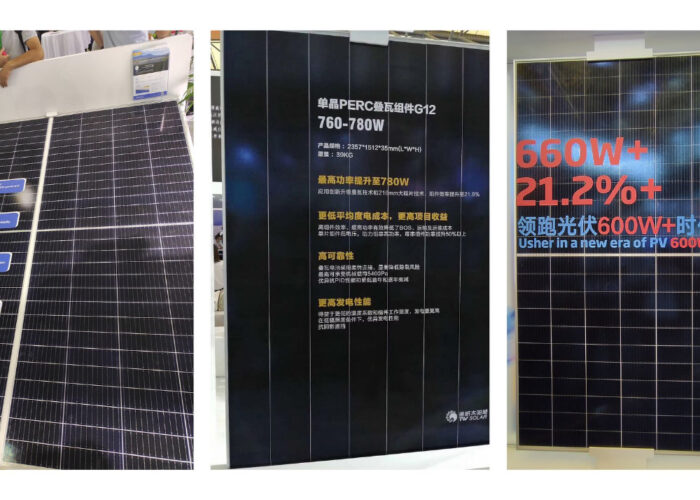
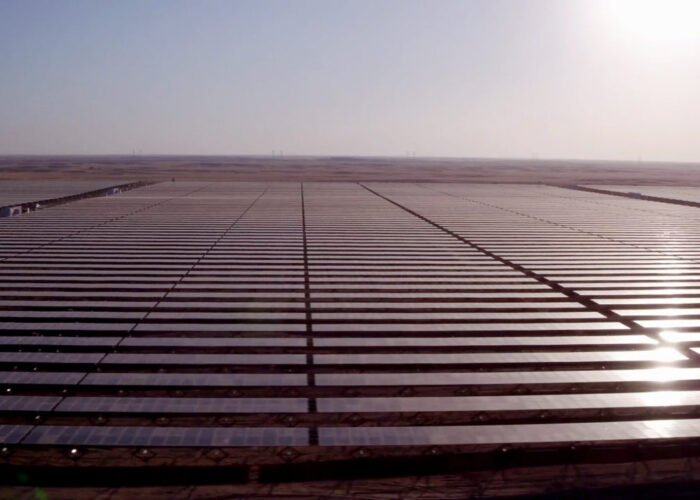
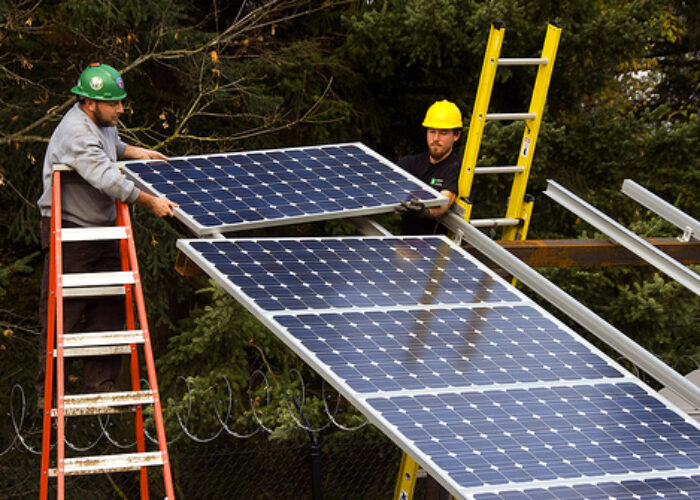
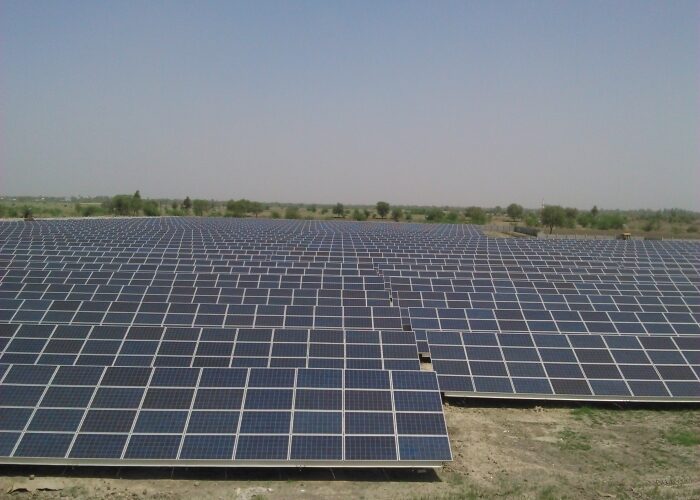
The rapid transition in the upstream manufacturing solar sector to significantly larger p-type and n-type monocrystalline wafers, cells and modules may be hailed as a new era for the industry in higher module performance and a leap in reducing PV power plants LCOE (Levelized Cost of Electricity) in a rapidly changing downstream market that becomes subsidy free, bidding orientated and targeting grid parity and beyond. But issues such as reliability lurk just below the surface.
Global governments could divert massive amounts of public funds from cancelled, large-scale power generation projects, such as nuclear, towards solar and other renewables to deliver consumers more value for money.
BP has set lofty targets for its renewables ambitions, backing bifaciality and merchant revenue strategies to provide major boosts as it targets 50GW of renewable capacity by 2030.
The world will need to build five to six times as much solar and wind power per year as in 2019 if a carbon-zero economy is to be reached by the middle of the century, a study has said.
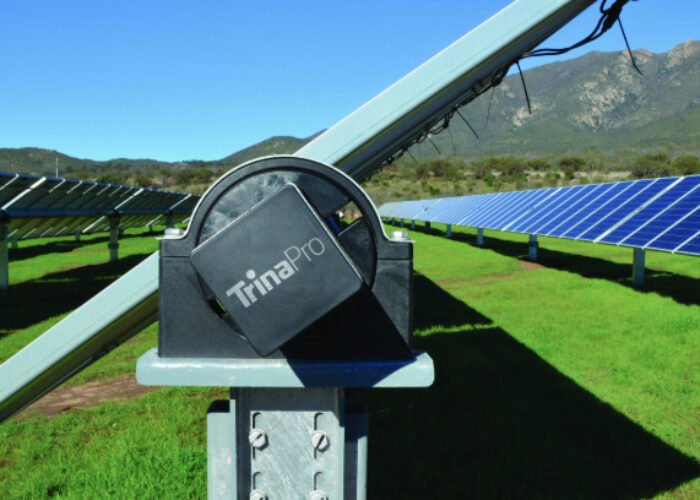
Trina Solar has taken full control of Spanish tracker system manufacturer Nclave, acquiring the remaining 49% stake in the company it did not already own.
The solar supply chain will have to markedly adapt and change current solar shipping practices and overhaul utility-scale solar design models to accommodate next generation panels, industry stakeholders have said.
Three months of marginal job creation means nearly 500,000 clean energy workers in the US remain unemployed as the sector struggles to recover from the impact of COVID-19.
The Solar Energy Corporation of India (SECI) has invited bids for a 100MWac/200MWp solar project with a 50MW/150MWh battery energy storage system in the state of Chhattisgarh.
US-based suppliers of Walmart will be able to contract for renewable energy as a cohort under a new initiative launched by the retailer alongside Schneider Electric.