The US Department of Commerce (DOC) has been directed to integrate climate considerations into its policymaking just one month after it launched a solar tariff investigation that industry players have warned is already hampering the country’s clean energy transition.
US solar players have hit out at the Department of Commerce’s (DOC) move to investigative alleged circumvention of antidumping and countervailing duties (AD/CVD), warning that the threat of tariffs is already jeopardising President Biden’s climate goals.
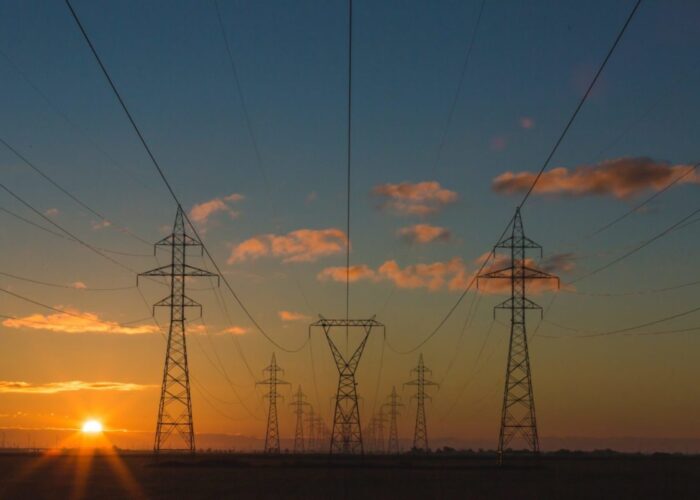
The US’ Federal Energy Regulatory Commission (FERC) has issued a Notice of Proposed Rulemaking (NOPR) that aims to address transmission grid planning and cost allocation issues in order to open up access to more renewable energy projects.
Portugal's latest solar auction made headlines earlier this month as record-low negative bids were posted, with the results illustrating the value developers place on securing a grid connection and the strong potential they see in hybridising renewables assets.
Michigan utility Consumers Energy and a coalition of customer groups have agreed on a plan that will see the company exit from coal by 2025 through deploying nearly 8GW of solar PV and 550MW of battery energy storage systems (BESS) by 2040.
PV Tech Premium examines the impact of Europe's energy crisis on both PPAs and merchant trading, exploring the different factors companies ought to consider when deciding on the balance of their operations
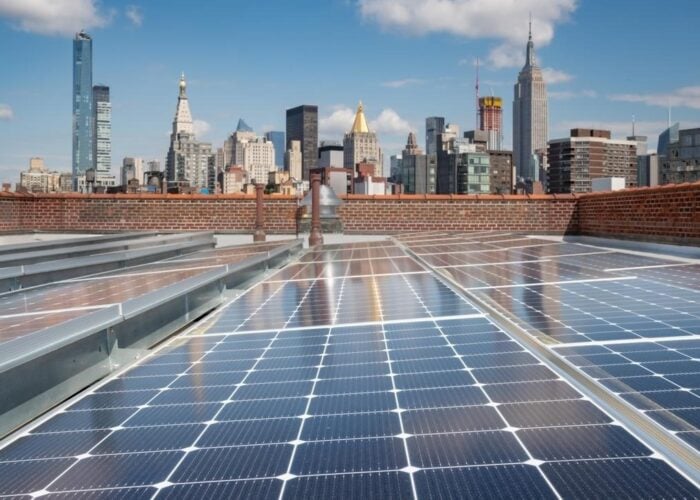
New York’s State Public Service Commission has approved a new framework for distributed solar in the state that will expand its NY-Sun initiative, which aims to support 10GW of distributed solar by 2030.
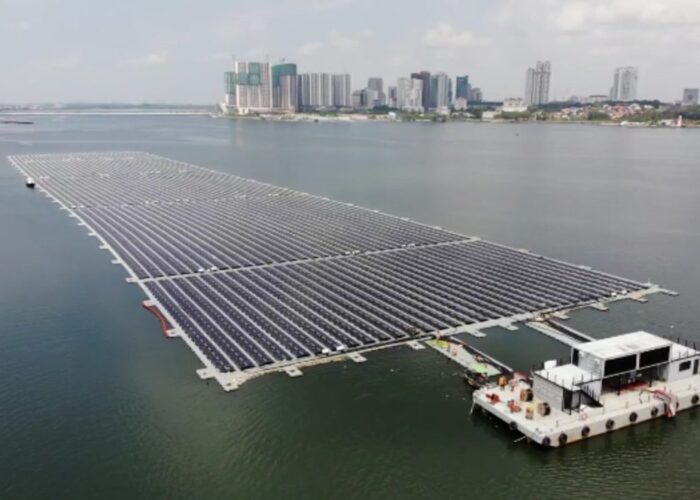
Solar developers Quantum Power Asia and ib vogt are planning to construct a 3.5GW PV plant and 12GWh energy storage facility in Indonesia that will export electricity to Singapore via a subsea cable.
There was almost 1TW of renewable energy capacity and an estimated 427GW of storage active in US interconnection queues at the end of 2021 according to a Lawrence Berkeley National Laboratory (LBNL) analysis, which also showed that queues were growing year-on-year.