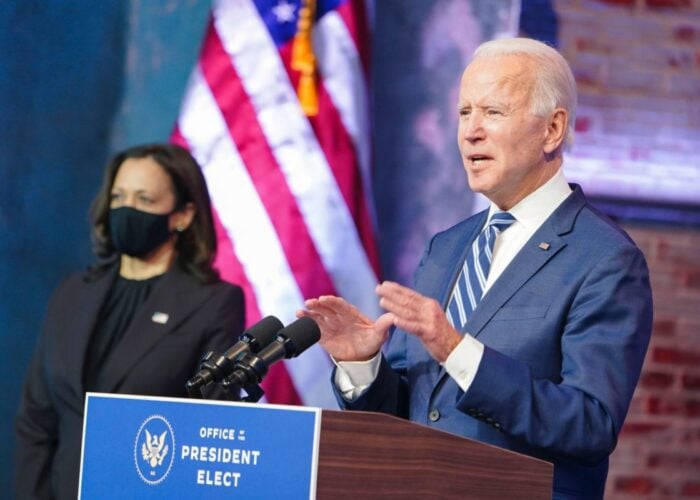
President Joe Biden has said this is the “decisive decade” for combating climate change, as he unveiled a new goal to at least half US emissions by 2030.
Despite dozens of net-zero targets being announced and deployment of renewable energy ramping up globally over the past year, just 10% of countries have shown “steady and consistent” progress in their energy transition plans, according to a new report from the World Economic Forum (WEF).
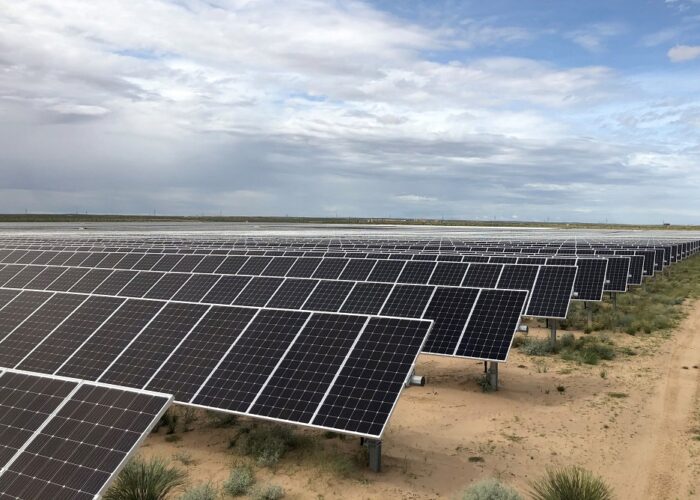
One-third of utility-scale solar set to come online in the US in the next two years will be in Texas, as the state catches up with California, according to new figures from the country’s Energy Information Administration (EIA).
International renewables developers are rushing to secure projects in Brazil before the government takes away subsidies for new solar and wind farm installations next year.
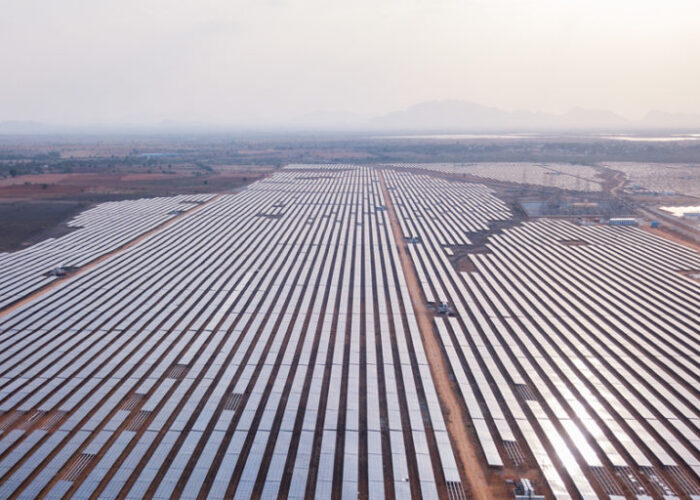
India presents an “enormous potential” for the development of solar and wind hybrid power systems, with more than 12.3GW of collocated tenders issued in the country to date.
China’s government has signalled it will aim to deploy enough solar and wind power generation this year to make up 11% of the country’s total power mix, according to its power planning agency the National Energy Administration (NEA).
The US Department of the Interior (DOI) has established a new Climate Task Force to accelerate the adoption of renewable energy generation across the country and revoked several Trump administration policies promoting fossil fuels on public land.
Three US utilities have hit out at proposed changes to Texas’s energy market that they say would lead to new costs for solar facilities and curb investment in the state’s renewables sector.
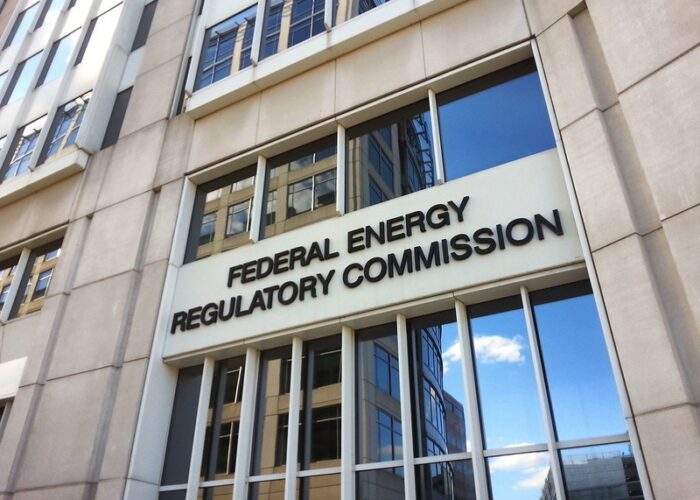
The US Federal Energy Regulatory Commission (FERC) has announced a string of initiatives to help develop the country’s power grid, including tightening a transmission incentive policy for utilities and a workshop that will explore how companies can benefit from grid-enhancing technology.