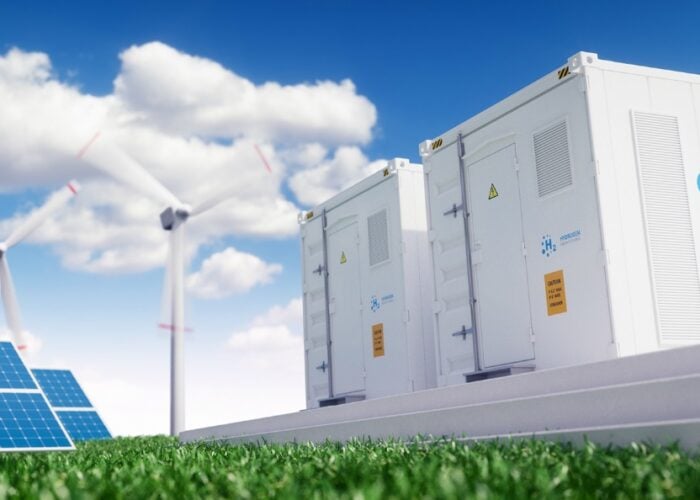
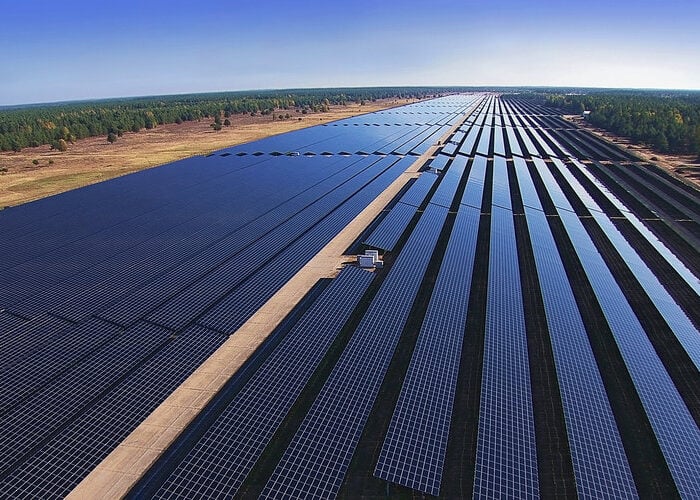
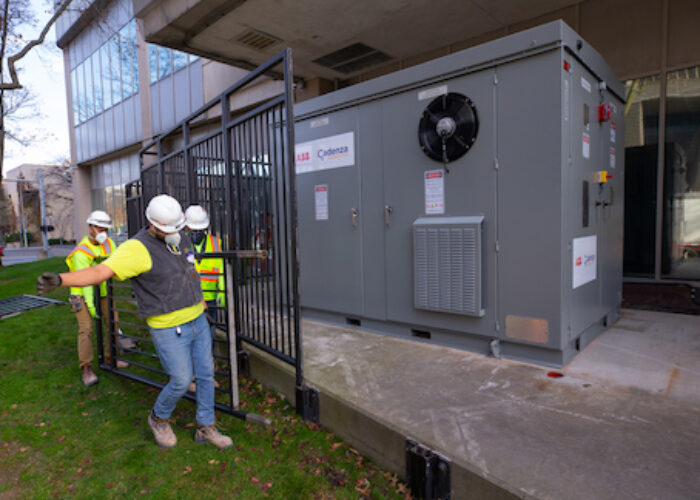
A two-year extension of the investment tax credit (ITC) for solar systems as well as new funding for energy storage research are included in the US’ wide-reaching pandemic relief package that was approved by Congress on Monday evening.
In this final episode of the Solar Media Podcast for 2020, Liam Stoker and Andy Colthorpe reflect on the biggest stories of the year and gaze into their crystal balls for 2021.
The US renewable energy industry has applauded Joe Biden’s climate team nominations and appointments, as the President-elect says he aims to build a clean energy future for the country.
The European solar sector has defied expectations to record its second-best year ever for deployment, according to a new study from trade association SolarPower Europe (SPE).
The first of Spain’s new clean energy auctions is set to take place next month, with the country’s government allocating a total of 3GW of renewables capacity.
The Queensland government has been flooded with expressions of interest for its planned renewable energy zones, with enough projects put forward to create 60GW of clean energy in the Australian state.
A new strategic plan putting the New York Power Authority (NYPA) on the path to 100% carbon-free electricity by 2035 - five years earlier than the target set out in the US state’s policy goals - has been approved by the state public power organisation’s Board of Trustees.
According to Johannes Bernreuter, head of Bernreuter Research the supply of polysilicon for the PV industry will continue to be constrained in 2021, while significant overcapacity is looming in 2022 and possibly intensify in 2023.