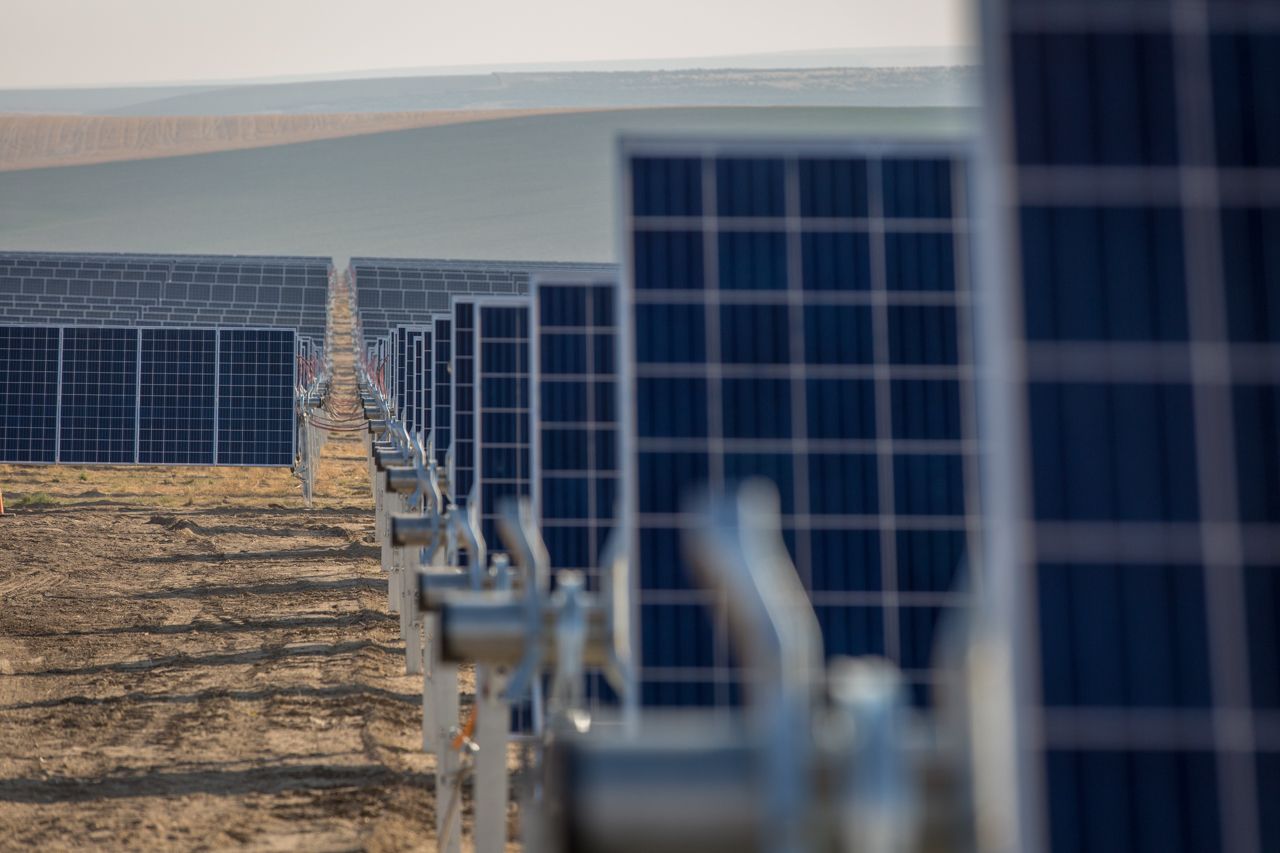
Utilities operating in the US state of Washington must eliminate coal-fired generation by the end of 2025 and source 100% of their electricity from renewable or non-carbon-emitting sources by 2045, according to new rules announced by regulators.
The Washington State Department of Commerce and the Washington Utilities and Transportation Commission (UTC) have adopted rules for implementation of the Clean Energy Transformation Act (CETA), the state law passed last year requiring an electricity supply free of greenhouse gas emissions by 2045. The legislation also requires utilities to supply carbon-neutral electricity by 2030.
Try Premium for just $1
- Full premium access for the first month at only $1
- Converts to an annual rate after 30 days unless cancelled
- Cancel anytime during the trial period
Premium Benefits
- Expert industry analysis and interviews
- Digital access to PV Tech Power journal
- Exclusive event discounts
Or get the full Premium subscription right away
Or continue reading this article for free
The UTC regulations apply to the investor-owned utilities operating in Washington – including Puget Sound Energy, Avista and Pacific Power – while similar Commerce rules apply to 64 electric utilities, including municipal utilities, public utility districts and rural electric cooperatives.
By 2030, at least 80% of the electricity that utilities sell in the state must be from renewable sources or non-emitting power, the agencies said, while any use of natural gas generation must be offset by emissions reductions elsewhere.
A statement from Pacific Power parent company PacifiCorp said that that while it “looks forward to working with the commission and stakeholders in the years ahead as we iterate our robust, six-state resource planning process in response to those targets”, the company “remains concerned about the impacts of these rules, particularly on market participation, low-income energy assistance needs and reporting, as well as energy storage, transmission and clean energy transformation projects”.
Washington governor Jay Inslee and the state legislature enacted CETA in 2019 and directed the UTC and Commerce to adopt the regulations. “These clean energy rules will create jobs, protect low-income households and highly impacted communities while ensuring we make steady progress towards 100% clean electricity by 2045,” Inslee wrote on Twitter.
The rules have been adopted following 18 months of work with stakeholders representing the interests of utilities, residential and business customers, environmental and labour advocates, and low-income and disadvantaged communities.
As well as the power generation targets, the legislative requirements of CETA include tax incentives for renewable energy development that encourage developers to pay prevailing wages. Utilities must also guarantee an equitable distribution of benefits from the transition to clean energy for all customers. Department of Commerce director Lisa Brown said: “Ensuring that all customers and communities can have equal opportunity to participate in the benefits of 100% clean electricity was a top priority in developing the new rules.”