Goa plans small solar prosumer 50% subsidy, IL&FS plans renewable energy portfolio sale, SolarCentury builds 44MW Netherlands solar park, Juwi builds 9MW in Greece.
PV Tech looks behind last week's Indian government announcement that it would issue a 7.5GW solar tender in the high altitude mountain desert region of Ladakh.
Despite the "absolutely fantastic" progress in a year of tough market conditions, Bridge to India has said rooftop solar should be given more government support.
European solar industry trade body SolarPower Europe has said it has started a major campaign to bring back at least 5GW of large-scale PV manufacturing in the region, including the complete supply chain required to support the scheme.
Maharashtra State Electricity Distribution Company Limited (MSEDCL) has issued a tender to purchase power from 1GW of solar PV capacity, with certain projects under construction, not yet commissioned or that don't have a long-term PPA also eligible.
Kenya's government has launched a plan for total electrification in the country by 2022, which acknowledges the role that off-grid systems, mini-grids and stand-alone solar plants can have in complementing extensions to the grid and mitigating higher loads.
UPDATED: Solar Energy Corporation of India (SECI) has gone ahead with an auction for its 1.2GW hybrid tender, despite the tender being undersubscribed and attracting just two technical bids.
Chinese firm Shuangdeng Group has signed a contract with Afghanistan's Ministry of Energy and Water (MEW) to set up a 5MW solar PV project in the central Ghor Province.
UPDATED: A controversial House Bill granting private Filipino firm Solar Philippines a PV mini-grid and transmission franchise across the Philippines has all but passed through Congress, with only a procedural third step left to confirm the final draft of the Bill.
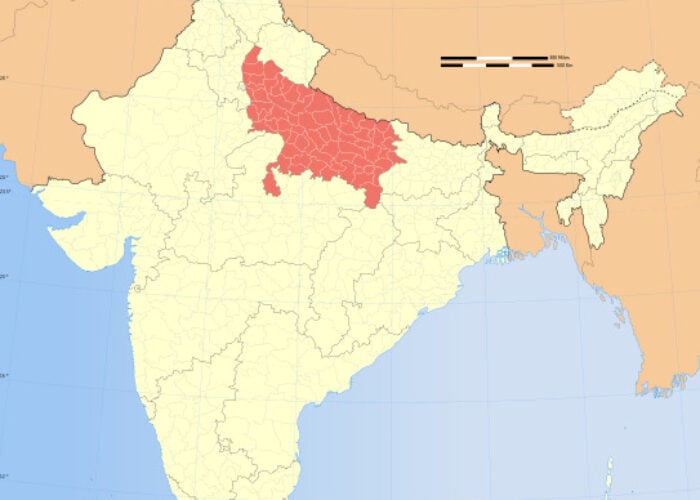
UPDATED: Winning bids in a 550MW solar auction in Uttar Pradesh, India, have come out between INR 3.02-3.08/kWh (US$0.0429-0.0437), a notable drop from 3.17-3.23 rupees in its most recent 500MW auction in October.