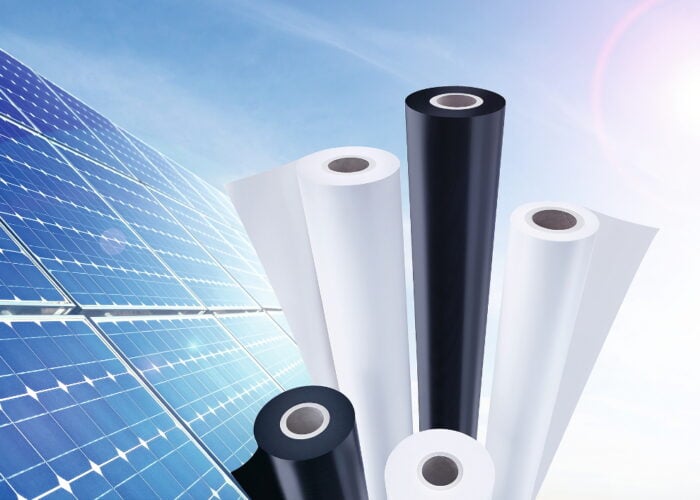
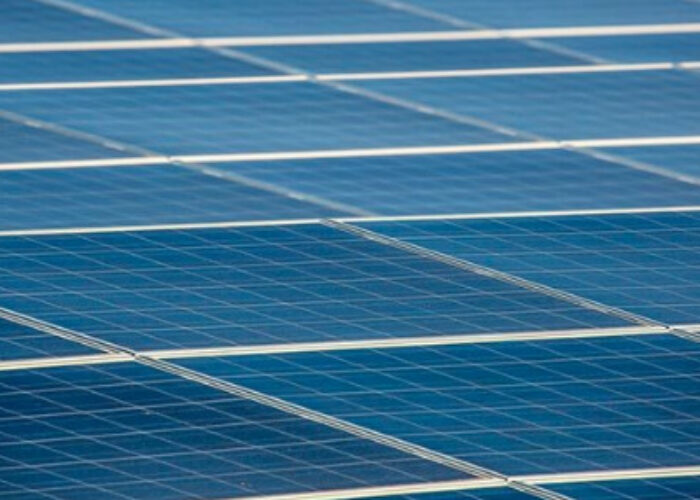
Bischof + Klein has introduced a new generation of PV module backsheets, designed to provide greater stability when exposed to UV radiation and increased protection against moisture ingress. The new B+K ‘BackFlex’ PP backsheet is based on polypropylene and is therefore naturally resistant to hydrolysis. It can withstand more than 5,000 hours of damp heat testing (85°C / 85% r.h.).
Ingeteam has signed contracts to supply inverters to 555MW of solar projects in Mexico, mainly in large-scale systems but also for commercial plants based on string inverters.
NTPC's 750MW auction draws winning price of 2.72 rupees, Rays Power Infra completes 130MW of open access solar plants in Karnataka, AfDB approves US$1.5 million for Nigerian solar procurement program
PV inverter manufacturer SolarEdge Technologies has reported a clean sweep in key financial parameters for the first quarter of 2018, which includes, revenue, shipments, gross margin, profitability and quarterly cash flow generation.
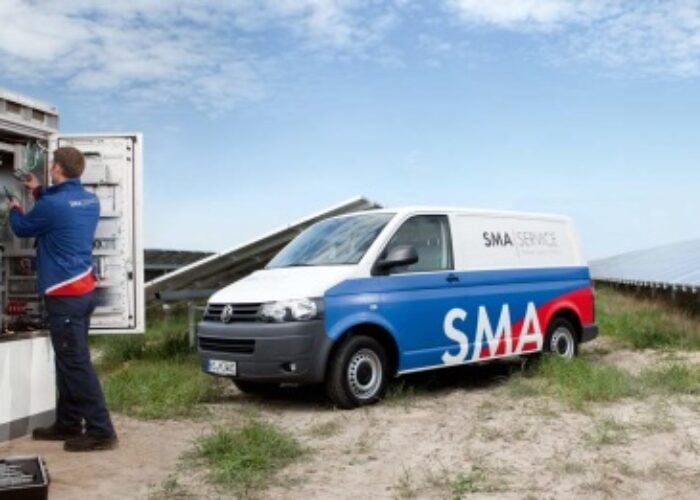
Major PV inverter manufacturer SMA Solar Technology has reiterated sales and earnings guidance for 2018, despite a rebound in its utility-scale business unit and growing energy storage sales.
The European Bank for Reconstruction and Development (EBRD) together with Triodos Investment Management and FMO are providing a US$31.6 million syndicated loan to Desert Solar Power One (DSPO) to build the largest solar plant in Mongolia, standing at 30MW.
A council in the Australian state of Queensland has confirmed receipt of a planning application for a 1.5GW solar farm, with provision for battery energy storage, from Sunshine Energy Australia.
SkyPower and Uzbekistan sign 1GW solar PPA, Grupo T-Solar acquires three Spanish PV plants, Enviromena signs 1MW rooftop solar PPA for Dubai date factory
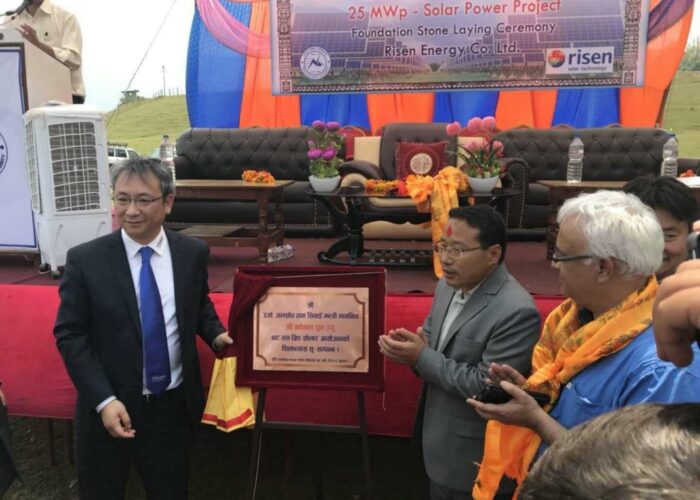
Major China-based PV module manufacturer Risen Energy, which entered PV Tech’s Top 10 module manufacturer’s rankings for the first time in 2017, has said that it expects to ship at least 800MW of PV modules outside China in 2017.